The Toughest Ultramarathons in the World (and Why They Break People)
These are the races that chew you up—where pace stops mattering, plans fall apart and finishing becomes the only goal.
Images: Richard Ducker, Paul Watkins, Evan Davies, James Raison
There are long races and there are hard races.
And then there are the ones that chew you up—where pace stops mattering at all, plans completely fall apart and finishing is all you care about.
These are the races people bang on about. Usually with a mix of awe, disbelief and a few choice words.
What makes an ultramarathon truly brutal?
They have brutal cut-offs, extreme environments and reputations that border on myth. The longer you’re out there, the more the race shifts from physical to mental—where mindset matters (a lot), and sleep deprivation, poor decisions and small mistakes start to stack up. It’s not just about distance, but how much a race asks you to manage on your own when things inevitably begin to unravel.
The hardest races usually combine multiple stressors:
- Environment (heat, cold, altitude)
- Terrain (technical trails, sand, snow)
- Sleep deprivation
- Self-sufficiency
- Mental load
Stack enough of these in the same race and running almost becomes secondary.
So, that being said…. here are some of the toughest ultramarathons in the world and why they deserve a spot in the list.
6633 Arctic Ultra—Where Running Becomes Survival
This is a race where even the most experienced runners come completely undone.
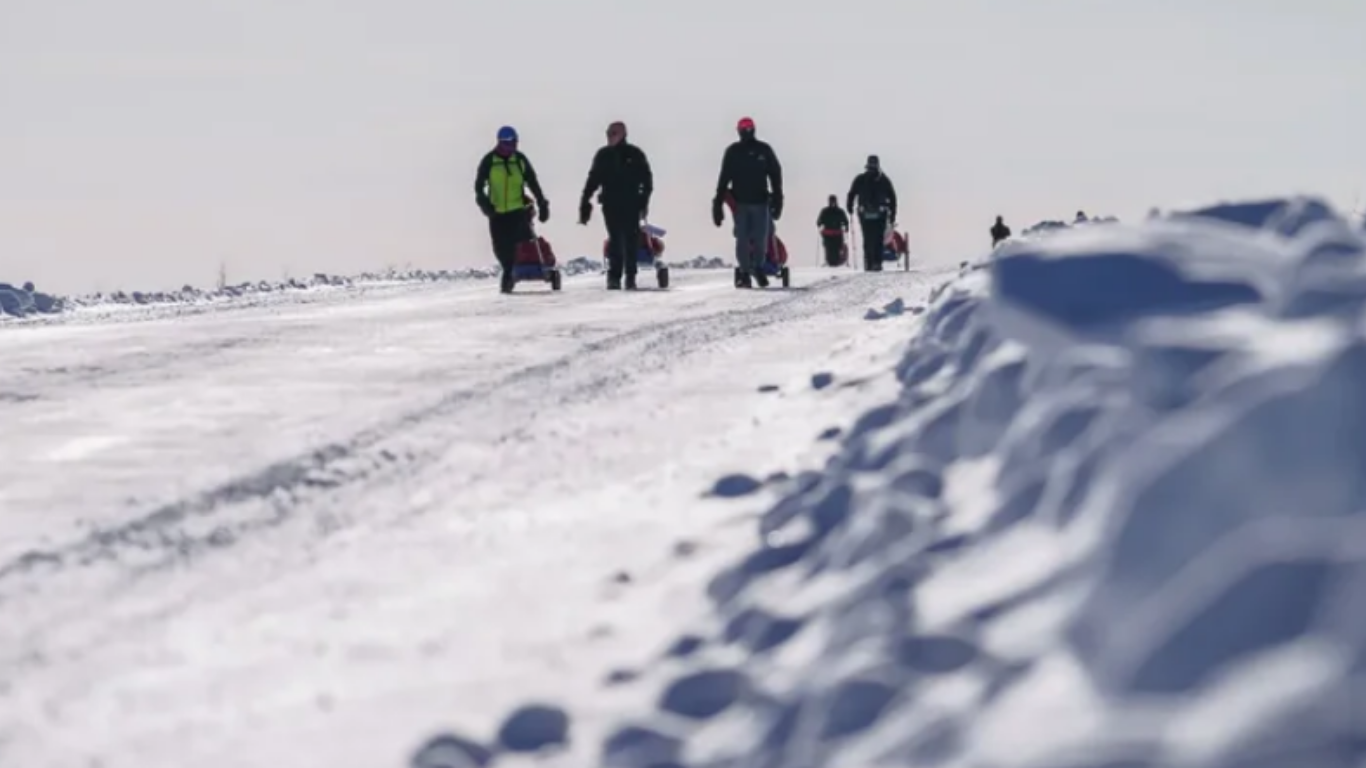
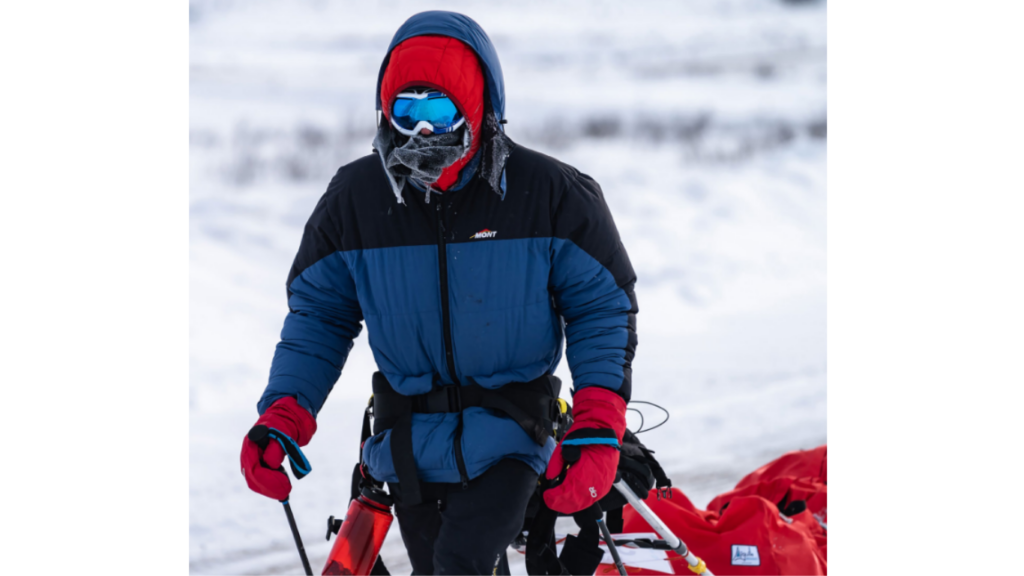
The 6633 Arctic Ultra takes place in northern Canada, starting in the Yukon and heading deep into the Arctic Circle. Temperatures drop below –40°C for days on end and competitors have to drag sleds loaded with food and gear across snow and ice.
There are no aid stations or comfort and no easy way out.
Runners cover up to 380 miles (614km) in a non-stop, self-sufficient format, managing sleep, nutrition and gear in one of the harshest environments on Earth.
At some point, it stops being about running at all.
How Aussie Paul Watkins went from DNF to winning the 6633 Arctic Ultra
What the heck is the 6633 Arctic Ultra?
Barkley Marathons—The Race That Doesn’t Want You to Finish
Held deep in the forests of Tennessee, the Barkley Marathons is less a race and more a puzzle designed to defeat you.
The course isn’t marked out and there’s no GPS or spectators.
Runners have to navigate using maps and a compass, collecting pages from hidden books as proof they’ve completed each loop.
The distance is roughly 100 miles.
Almost no one finishes.
This race is as tough as it gets.
Marathon des Sables—250km Through the Sahara
Six days. Roughly 250km.
The Marathon des Sables takes runners deep into the Sahara Desert, carrying everything they need on their backs. Think: food, gear, and anything else they’ll rely on for the week. Water is rationed and the camp is shared so comfort is basically non-existent.
What sets it apart isn’t just the distance, it’s the accumulation of physical and mental demands. Day after day of running on tired legs, sleeping in basic desert bivouacs, and managing your own energy, nutrition, and mindset in one of the harshest environments on earth.
Runners have to contend with relentless, energy-sapping heat, endless sand dunes and rocky plains and feet that take a beating from day one.
It’s not just a race. It’s a week-long test of how well you can keep moving when everything starts to wear you down.
Moab 240—When Distance Becomes the Enemy
The Moab 240 isn’t about speed. It’s about how long you can hold it together.
At roughly 240 miles (386km) through the Utah desert, runners move through multiple days and nights with little real rest. The course winds through remote terrain including canyons, slickrock, high country where the environment shifts, but the effort never lets up.
Sleep becomes something you grab in fragments, if at all. Hallucinations aren’t unusual. Small problems get bigger. Simple decisions get harder. And the longer you’re out there, the more the race turns inward.
What makes Moab different is the time. You’re not just racing the course, you’re managing yourself over days of cumulative fatigue, where pacing, nutrition and mindset count for more than speed.
This is where ultra becomes something else entirely.
Delirious West—Australia’s Coastal Beast
If you want something closer to home that still delivers serious damage, Delirious West is right up there.
Part of the Ultra Series WA calendar, this point-to-point race pushes runners through remote Western Australian coastline, linking rugged trails, technical sections and long stretches of exposed terrain.
It’s not just the distancem it’s the isolation, the conditions and the cumulative toll that builds over time.
Widely considered one of the most brutal non-backyard events in the series, Delirious West has a reputation for breaking even experienced ultra runners.
Read about the Ultra Series Delirious West in WA
Feral Pig Backyard Ultra—Last One Standing
Backyard ultras are strange.
Simple in concept, brutal in execution.
The Feral Pig Backyard Ultra, part of Ultra Series WA, follows the classic format: a 6.7km loop every hour, on the hour, until only one runner remains.
There’s no finish line and no set distance.
Just repetition, sleep deprivation and the slow grind of fatigue.
What starts as manageable quickly turns into a battle of discipline, decision-making and sheer stubbornness.
What the heck is a backyard ultra?
Read about the Feral Pig Backyard ultra.
Big’s Backyard Ultra—Where It Gets Ridiculous
If you want to see how far this format can go, look at Big’s Backyard Ultra.
This is the original backyard ultra and the benchmark for just how extreme “last one standing” can become.
Runners have pushed this format beyond 100 hours.
To put it into perspective, that’s four days with no real sleep and constant movement.
At that point, it’s no longer about running. It’s about who can function the longest while everything else is falling apart.
In 2025, our own Aussie Phil Gore set the Backyard Ultra world record at Dead Cow Gully in Queensland Australia and then backed it up by winning Big’s Backyard Ultra. That’s pretty darn epic in anyone’s books.

The Spine Race—Britain’s Winter Sufferfest
The Spine is Britain’s most brutal endurance challenge. It’s a full-winter crossing of England’s iconic Pennine Way. That’s 268 miles (431km) of rugged trail, relentless climbing, savage weather, and near-total sleep deprivation. This really is
If you want to beat this race, you’ll need to endure long, dark days in harsh UK winter conditions. Think bog, snow, wind and navigation challenges layered on top of some serious distance.
It’s gained a reputation as one of the toughest races in Europe because it grinds runners down over time.
Read how Sophie Grant snatched first female at the 2026 Spine Race
Hardrock 100—High Altitude, High Consequences
The Hardrock 100 isn’t the longest race on our list and it might be one of the most unforgiving.
Set deep in Colorado’s San Juan Mountains, the course climbs to over 4,000 metres, weaving through exposed ridgelines, steep alpine passes and technical, unforgiving terrain. There’s little room for error up here and nowhere to hide if things go south.
What makes Hardrock different is the altitude. Every step costs you more and every climb smacks harder. Even simple decisions become challenging when you’re moving on limited oxygen, deep into fatigue.
Runners face:
- extreme elevation gain and loss
- technical, slow-moving terrain
- long stretches of isolation between aid
And then there’s the weather which is unpredictable, fast-moving, and capable of turning the race on its head in minutes.
At altitude, everything is harder, especially breathing.
Antarctic Ice Marathon—Running at the End of the Earth
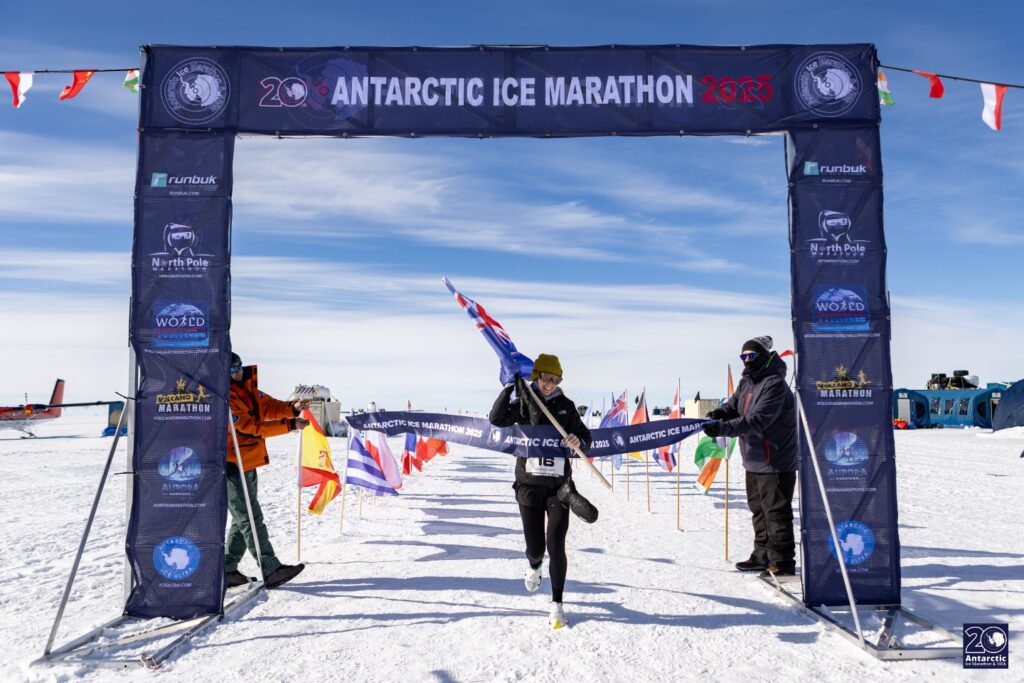
At the opposite end of the spectrum—but just as brutal is the Antarctic Ice Marathon.
Held on the frozen continent, this is one of the most remote races on the planet. Temperatures can plunge well below freezing, winds cut through layers, and the terrain is anything but forgiving.
Even simple things like staying warm or keeping gear functional become a huge part of the challenge.
It might not have the same distance as some of the longer ultras, but the environment levels the playing field quickly.
Read about Catherine Drysdale’s history making win in the 2025 Antarctica Ice Marathon
Why do people sign up for this?
We don’t really have the answers but runners who’ve come back from these ultras often say there’s something compelling about pushing past your own limits.
For some, it’s curiosity.
For others, it’s something deeper.
Keen for more? We’re dropping fresh trail stories, gear and features every week, so stick around for more.