Trail Shoe Mistakes We’ve All Made
We’ve all bought a pair that should’ve worked… but didn’t. Here are the trail shoe mistakes that quietly ruin runs.
You know the feeling.
You lace up a brand new pair of trail shoes, head out the door… and within 5km something feels off.
A hot spot.
A bit of toe bang.
A weird heel wobble you didn’t notice in the shop (or at 11pm when you panic-bought them online).
You tell yourself they’ll come good.
They don’t.
Trail runners don’t talk about it much, but most of us have a graveyard of “almost right” shoes in the wardrobe. The ones that should’ve worked… but absolutely didn’t.
Here are the mistakes we’ve all made and the ones that tend to cost the most.
Common trail shoe mistakes include:
- buying the wrong size
- ignoring downhill fit
- expecting shoes to break in
- choosing based on hype or price
- overlooking heel slip
1. Buying Your “Normal Shoe Size”
Here’s the first problem: your shoe size isn’t fixed.
Trail running shoes need more room than your everyday sneakers. Your feet swell over distance, especially in heat, and even more so when you’re out there for hours.
That “perfect snug fit” in the shop?
That’s often a problem waiting to happen.
Most run specialty stores recommend leaving about a thumb’s width at the front of the shoe to allow for movement and swelling — and yeah, it can feel weird at first.
But out on the trail, that extra space is the difference between finishing comfortably and sacrificing your toenails to the downhill gods.
2. Forgetting That Downhill Running Is a Different Sport
You jog a few laps around the shop or your driveway. Everything feels great.
Then you hit your first proper descent and suddenly your toes are punching the front of the shoe like they’ve got somewhere else to be.
Trail shoes don’t get tested on flat ground.
They get tested when gravity gets involved.
If there’s not enough space up front—or your foot isn’t locked in properly—you’ll find out about it on your first descent.
3. Telling Yourself “They’ll Break In”
This one’s a classic.
You feel a slight rub and a bit of pressure. Maybe the upper feels stiff.
You tell yourself that it’ll soften up after a few runs.
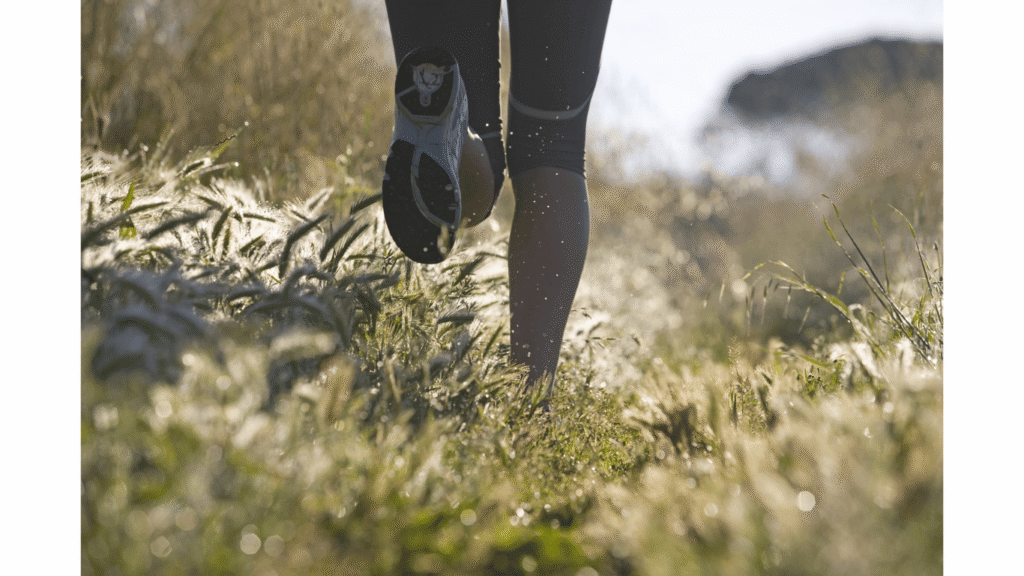
But modern trail shoes don’t really need to “break in” the way Harry’s old boots did years ago. If something feels off early, it usually stays off even after 5 or 10 runs.
Good shoes feel right straight away. Not perfect, but close.
If you’re negotiating with your footwear before you’ve even left the carpark, that’s probably your sign.
4. Buying the Shoe Everyone Else Loves
“The best trail shoe of the year.”
“Game changer.”
“Unreal grip.”
Cool. For them maybe.
Feet are wildly different in width, volume, arch, shape and a shoe that works for one runner can be a complete disaster for another. Heck if you’re like me you have one foot slightly different from the other (and yes, apparently it’s a thing)!
This is where a lot of us can get stitched up buying online. The hype is loud, the photos look good, and suddenly you’ve convinced yourself this is the one you must have.
Then it turns up… and it’s just not your shoe. It looks amazing, but it’s just not right.
Fit always beats reputation. Every time.
5. Ignoring Heel Slip (Until It Becomes a Problem)
A tiny bit of heel movement might not seem like a big deal at first. But it can turn into rubbing and blisters even with thick socks. Even worse though, heel slip can cause instability on technical terrain and possible falls.
Shoe shops will often advise that a properly fitting trail shoe should hold your heel securely without needing to crank the laces so tight your foot goes numb.
Often it’s fixable with lacing (hello runner’s loop), but sometimes it’s just the wrong shape for your foot.
Either way, it’s not something to “see how it goes” with over 20km.
6. Choosing Looks Over Function (Be Honest)
We’ve all done it. The pure clean colours or edgy silhouette looks epic. There’s a bit of hype around the brand or you see the price and think ‘has to be good if it’s that expensive’.
Meanwhile:
- the lugs aren’t suited to your terrain
- the fit’s a bit off
- the shoe’s not built for what you actually run
Trail running has a way of humbling aesthetic decisions pretty quickly.
Mud doesn’t care. Rocks don’t care. Your feet definitely don’t care.
7. Not Trying Shoes on Properly
This one trips up a lot of people. You’re short on time and do a quick try-on. After a couple of steps in the shop, you’re done.
That’s how bad decisions get made.
Run specialty stores will often tell you:
- try on shoes later in the day if you can (your feet swell)
- wear the socks you actually run in, not those paper thin cotton ones from Target
- spend time moving, not just standing
And that’s not overkill it’s solid advice from the experts.
Let’s be honest, once you’re 15km into a trail run, there’s usually no refund policy.
8. Holding Onto a Bad Shoe Way Too Long
This one hurts the most.
You’ve dropped decent money and you want them to work. So naturally you keep wearing them, hoping desperately that something will change.
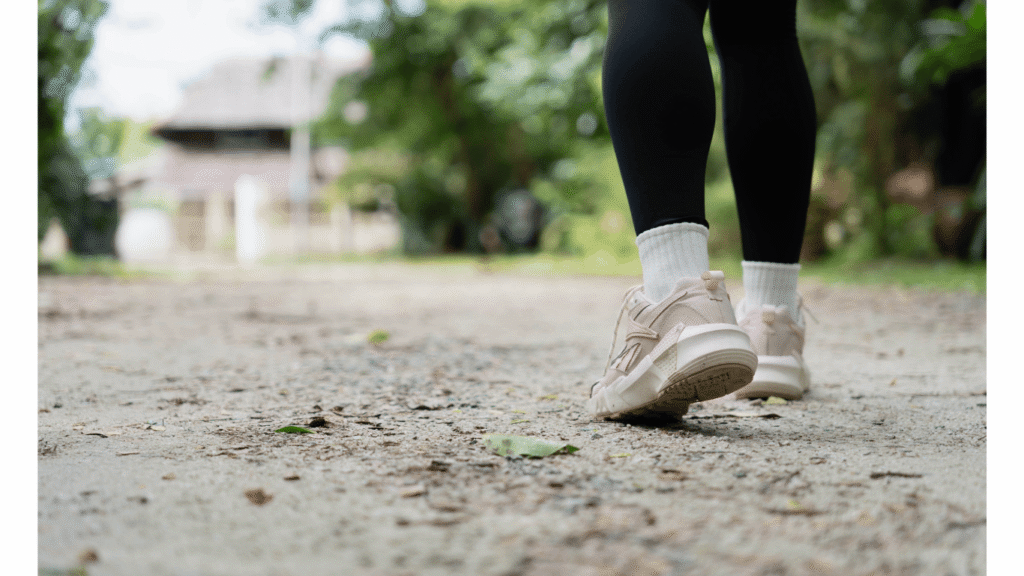
But it doesn’t.
Instead you end up with:
- blisters you didn’t need
- bruised toenails
- runs cut short (and some disappointed mates)
- a growing dislike of what should be a good time
Sometimes the smartest move is calling it early because not every shoe is your shoe.
The Bottom Line
After dozens of conversations with runners and the experts who fit shoes, it’s clear that a good trail shoe seems to disappear under you.
You don’t need to think about it. You just run.
But a badly fitting one reminds you it’s there—constantly.
Most of our shoe mistakes come down to the same thing:
Trying to make a shoe work for you when it just doesn’t.
If you can get the fit right early and don’t let hype or hope override what your feet are telling you, you should be good to go.
Got a pair that absolutely stitched you up?
We want to hear about it. Head over to our Facebook or Instagram and drop us a line—your pain might save someone else’s run.