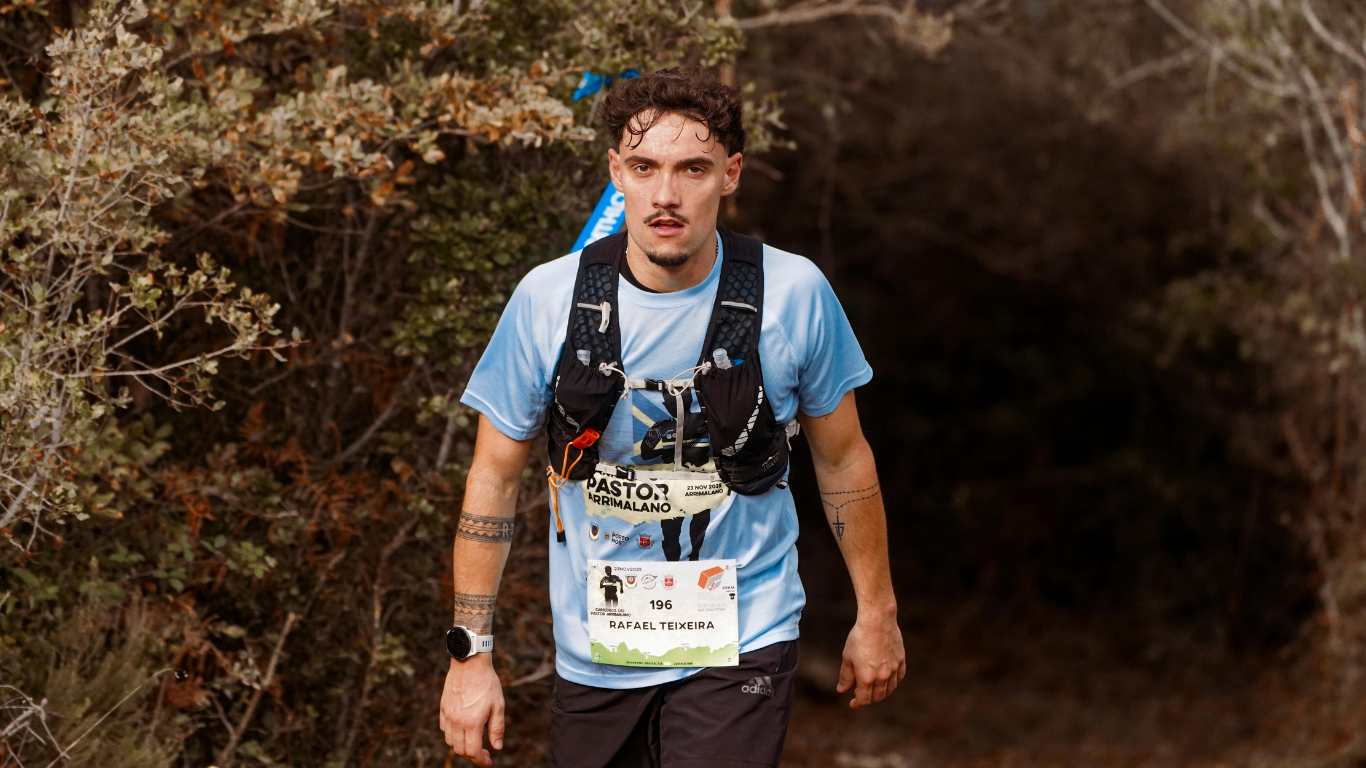
The Trail Running Gear You Actually Need (And The Gear You Probably Don’t)
Trail running gear can get complicated fast—but you don’t need everything to get started. Here’s the trail running gear that actually matters, from shoes and hydration to safety essentials.
Trail running gear can get complicated fast. Spend five minutes online and you’ll find lists of must-have gear like you’re preparing for an expedition across the Simpson. But there are times when packing a few extra things is sensible, safe and makes running more comfortable.
If you’re getting into trail running or stepping up to longer distances, here’s the gear that actually matters, plus a few extras you might want to add over time.
Let’s start with trail shoes
If there’s gear you have to get right, it’s your shoes.
Road runners can sometimes get away with whatever they’ve already got in the cupboard, but running on trails is way different. We run on surfaces that demand grip, and usually lots of it. Trail running shoes are designed specifically for those moments when we’re hip-hopping over loose gravel, mud sections, off camber terrain and more.
I’m currently testing the Limited Edition Tarkine Trail Devil Buzz and it’s handled everything I’ve thrown at it so far. Just quietly, these could quickly become a favourite. I prefer my shoes light and responsive with good grip, but I still want comfort too—not asking much, right? These beasts deliver all of that and more. There’s a slightly roomier toe box, which I love, and they feel fast without sacrificing comfort. And visually? Think Liquorice Allsorts, in the most delicious way.
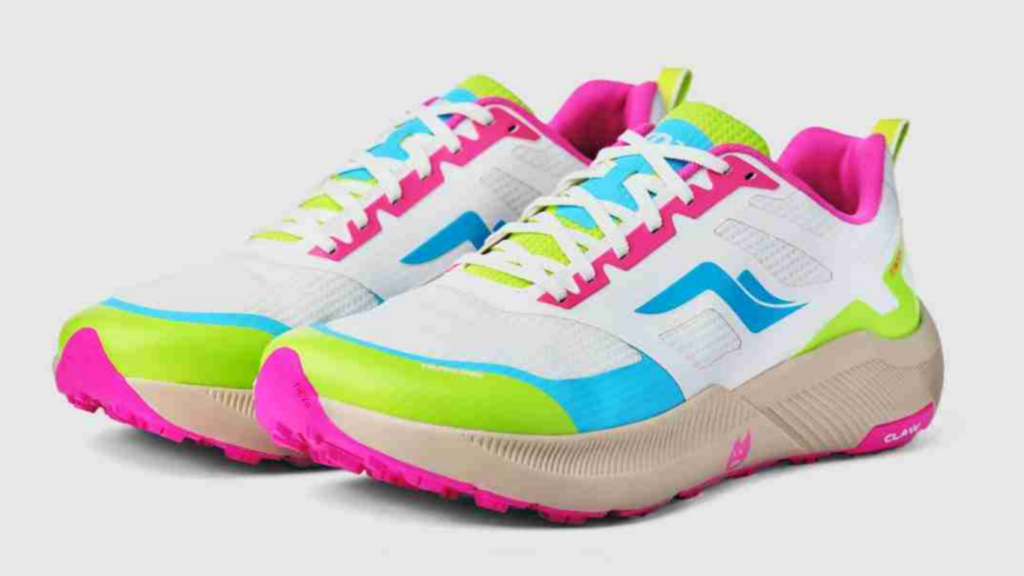
Every trail runner’s feet are different, and trail shoes are designed to suit a wide range of foot shapes, preferences, terrain and distances. But the key things to look for in trail shoes are:
- Reliable grip so you feel confident out there
- Comfortable fit so you can stay the distance and don’t get blisters
- Good protection underfoot to prevent injuries
- Enough space for toe movement, especially on longer runs when your feet swell
Everything else is secondary.
A running vest changes everything
Once your runs stretch past an hour or head further into the bush, a running vest is almost mandatory in my opinion.
You can try hand holding bottles or using waist belts, but it gets awkward (and annoying) fast—especially when you’re concentrating on the trail. Vests let you carry everything you need: water, nutrition and spare layers and they distribute weight evenly without everything bouncing around. The best thing is your hands are free to move and balance you while you run.
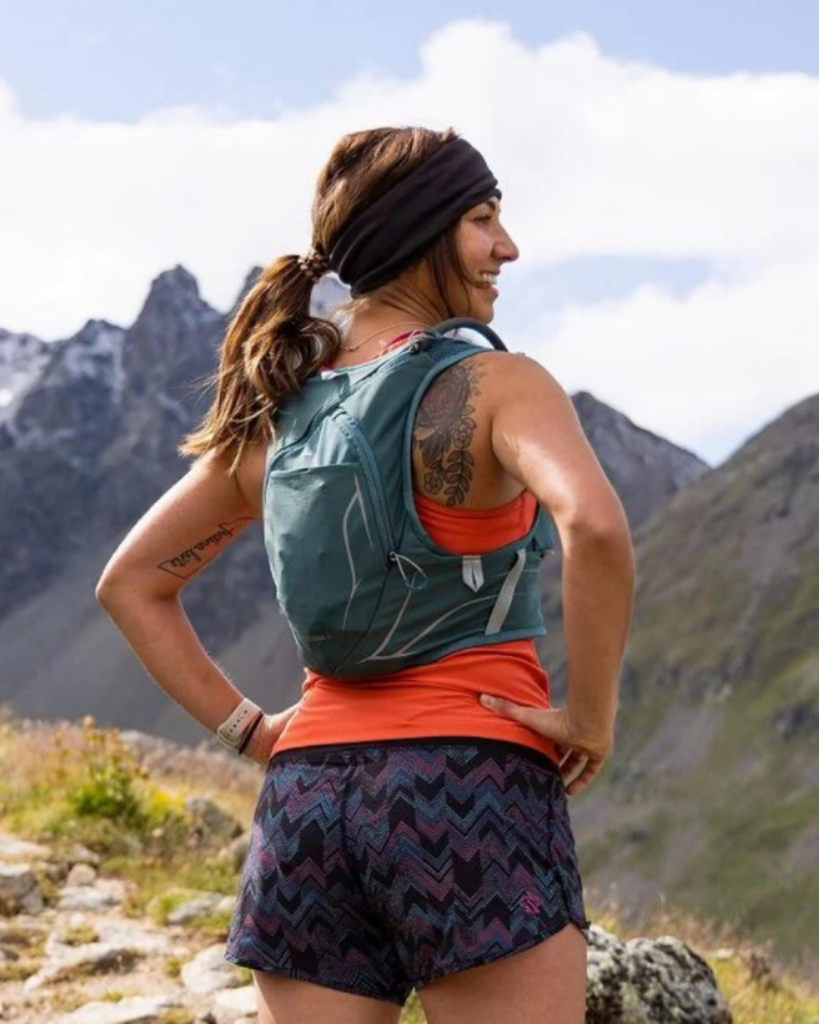
Cheaper vests absolutely do the job, especially when you’re starting out. But buy the most comfortable, breathable and lightweight vest you can afford.
The premium vest are usually lighter and more breathable, and more stable when they’re on.
A well-designed vest like an Osprey will sit snug to the body like a warm hug. When the fit is right, you almost forget you’re wearing it.
I’ve been testing one of Osprey’s latest trail vests—and it’s a strong example of how much difference a well-designed vest can make.
Hydration and Fuel
Unless you’re planning a short run, hydration matters more than almost anything else you carry.
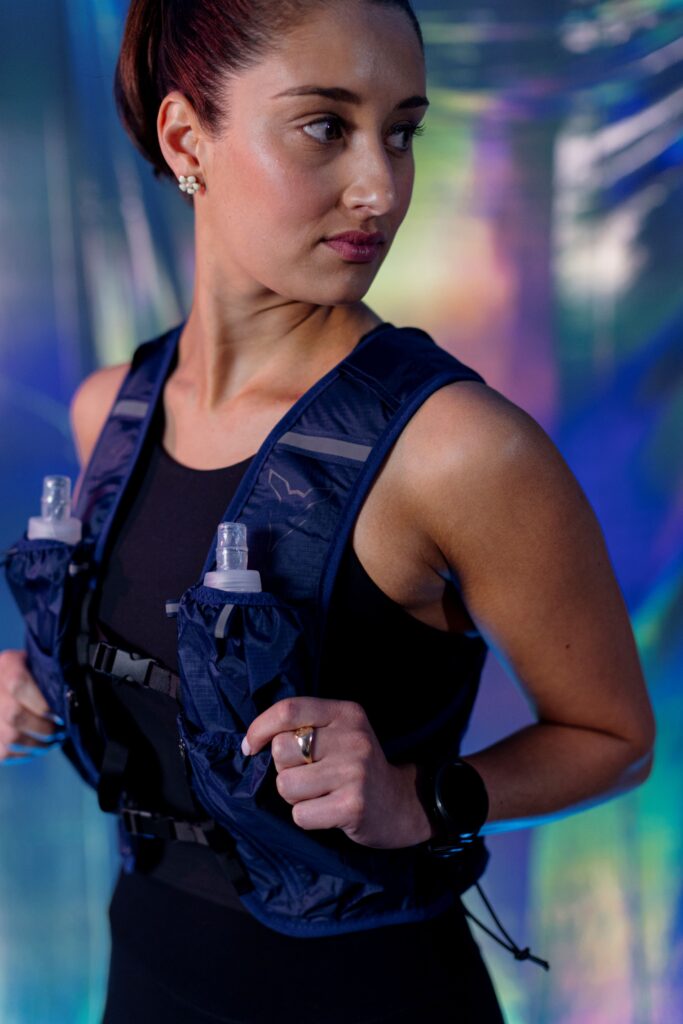
Even on moderate runs most trail runners need to carry water, especially if you run in warm climates. A vest with two soft flasks is enough for many runs, but if you’re out for a longer sesh, you might need extra capacity or a hydration pack.
Hydration packs
When buying a hydration pack, try it on first. You’re looking for one that doesn’t bounce when you’re running, feels comfortable and is breathable (running makes us hot enough) and make sure the water capacity will be enough for the types of runs you plan on doing.
Let’s talk flasks
Another must have are soft flasks. The better vests will come with two soft flasks but some don’t, and you need to buy them separately. When buying soft flasks, consider how stable they are in your vest pockets, and make sure they will hold a good amount of water. Also make sure they’re super water tight so they don’t dribble all over you while you run (something cheaper flasks can struggle with).
For fuel, you don’t need a complex system. But try options over time that suit your taste budget as well as stomach.
Simple options work well:
- Gels
- Bars
- Bananas
- Lollies
If you’re out for more than 90 minutes, make sure you bring the right amount of carbs.
Navigation: getting home matters
Trail runners love exploring, but unfamiliar trails can quickly turn into confusing mazes of trees you swear you’ve past by 3 times already.
For shorter runs on known trails, a phone with a mapping app is often enough. But if your running along routes that are longer or more remote, good navigation is your bestie.
A GPS watch from good brands like Suunto or Garmin can make navigation much simpler. Modern watches allow you to load routes, follow breadcrumb trails and receive alerts if you go off course (absolute godsend). They also tend to have battery life measured in days rather than hours, which becomes important on longer adventures.
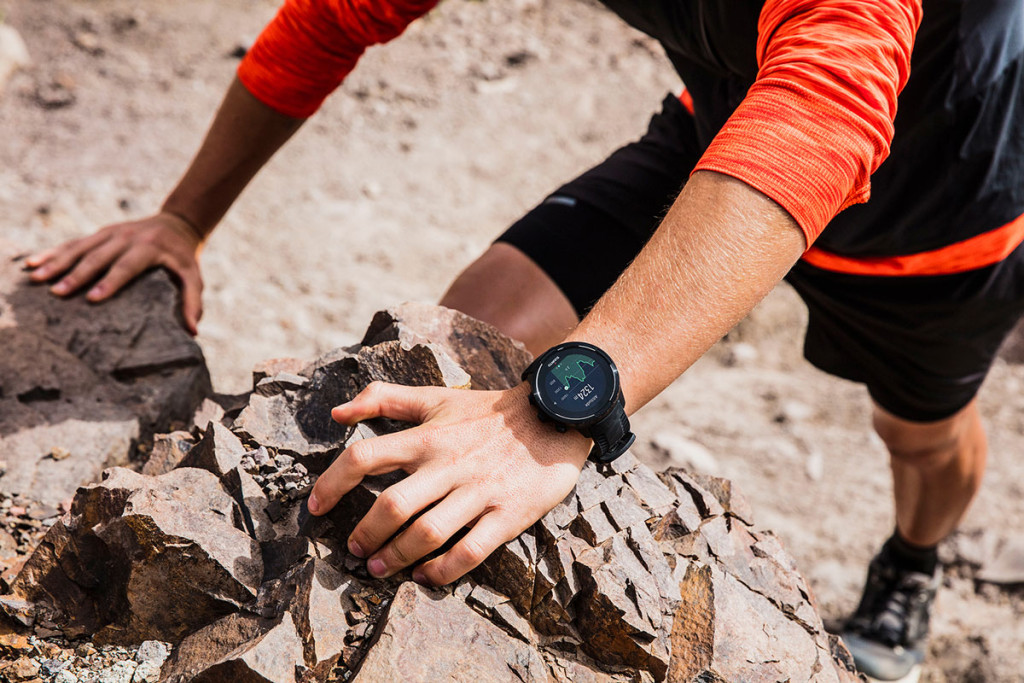
A trustworthy navigation system makes you feel confident and reduces the chances of finishing your run by accident rather than design.
Basic Safety Gear
You don’t need a full expedition kit, but a few small items are worth carrying.
Simple essentials include:
- Basic first aid items (bandage, blister kit, pressure bandages in case of a snake bite)
- Phone
- Emergency contact details
- Small amount of cash or card
For ultra training runs, adding a lightweight thermal layer or emergency blanket can be a wise decision.
Most of this gear weighs very little but can make a big difference if something goes belly up.
Headlamps: eventually you’ll need one
Even if you don’t plan to run in the dark, eventually you’ll get caught out.
Maybe the run goes longer than planned or sunset arrives faster than expected. A lightweight headlamp turns a potentially stressful situation into a non-event.
You don’t need a massive lumen camping monster, just something reliable with enough battery life to get you home safely.
Weather protection
As you’ve probably noticed already, weather can change quickly on the trails.
A lightweight waterproof or wind-resistant jacket is often worth carrying, especially in cooler conditions or remote areas. I remember running up Mt Wellington in Hobart (I know… what was I thinking?) and the weather turned from reasonable to absolute raging blizzard in less than 40 minutes. After that very uncomfortable experience, I carry a just-in-case weather-proof jacket everywhere now.
The best running jackets pack down small enough to disappear into a vest pocket until you need them.
The small things that make a big difference
Some of the smallest gear items have the biggest comfort impact.
Socks matter more than you think
Good socks can make the difference between a great run and a blister-full sufferfest.
Tarkine Merino Luxury Run Mid Crew Socks are a super comfortable everyday option, using pure merino wool for breathability and moisture control. Like the brand’s shoes, they also come with a strong environmental focus—including carbon-neutral shipping and tree-planting initiatives.
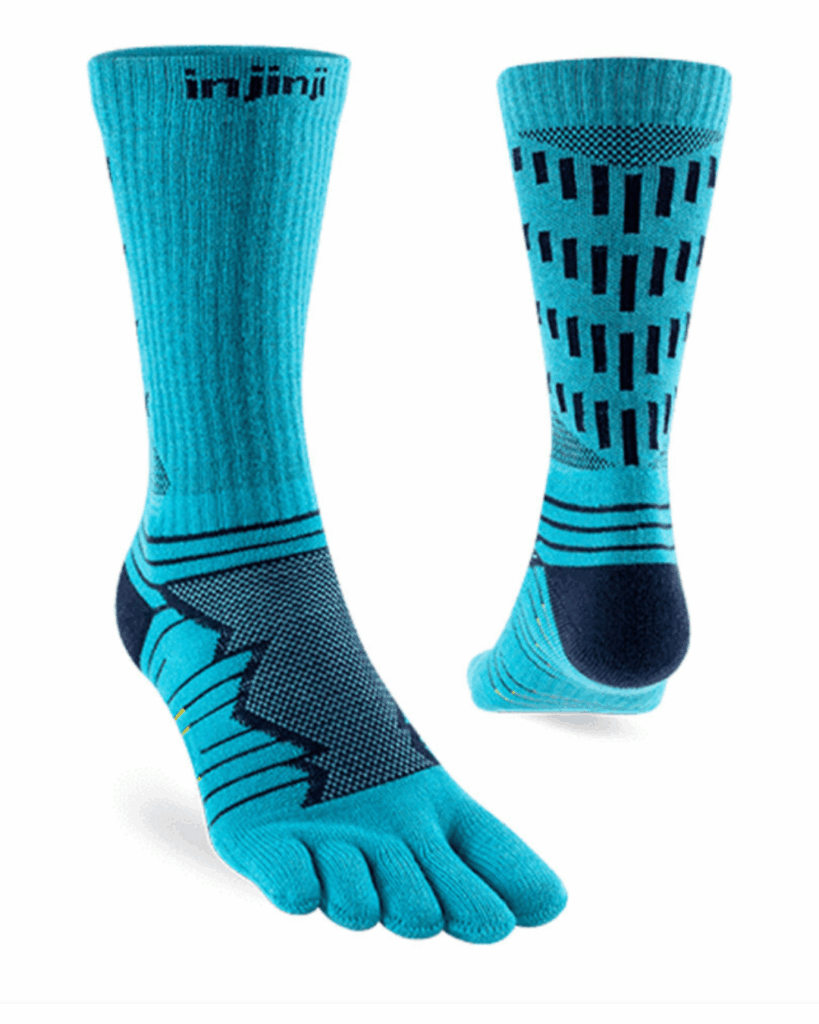
For longer runs, toe socks like Injinji Trail Midweight Crew socks offer a different approach. By separating the toes, they reduce skin-on-skin friction and help prevent blisters. They look weird but feel surprisingly cosy.
Sunglasses
Trail running sunglasses aren’t really about fashion *cue sad face* they’re about visibility, protection and glare reduction mainly.
Good sunglasses protect your eyes from dust and whatever else might fall out of tree branches, and make bright sunny days easier on the eyes.
They don’t need to be expensive either as long as they stay in place while you run without you constantly adjusting them, they’ll do the job..
Anti-chafe is so underrated
This is not the most glamorous of topics, but hear me out. Chafing can be one of the most common and painful side effects of running. It’s caused by skin rubbing on skin especially when we are a bit sweaty.
The good news is it’s so easy to prevent. A small amount of anti-chafe balm like Squirrel’s Nut Butter or Aussie Butt Cream can prevent it before it starts.
Common hotspots include:
- Under vest straps
- Between thighs
- Around sports bra or waistband lines
- Toes and heels
Once you’ve had a badly chafed run, you tend not to forget this one again.
Budget vs premium gear
You don’t need top-tier gear to enjoy trail running and most runners start with the basics and upgrade over time if and when they need to.
Budget gear works fine for:
- Sunglasses
- Headlamps
- First aid kits
- Basic nutrition storage
Where premium gear often makes a difference:
- Shoes
- Running vests
- Jackets
The biggest gains usually come from gear that makes you feel a bit more comfortable out on the trails, especially over longer distances.
Non-essentials (at first)
When you’re starting out, it’s easy to think you need everything. But you probably don’t. In fact most of us can happily trail run without:
- Trekking poles (unless you’re heading into steep techy terrain)
- Emergency bivvy bags
- Complex nutrition systems
- Multiple hydration setups
- Top-end GPS watches
Start simple and just enjoy your time out in nature. You can add gear as your running grows, if you want to.
The bottom line
Trail running gear doesn’t have to be complicated. Start with good shoes, a comfortable vest and a few safety basics, and you’re all set for most runs.
Everything else can come later.
The best gear is the gear that helps you stay out there longer— comfortably and safely enjoying the trails. Happy running.
We’re always adding new trail running stories, tips and gear insights—so check back regularly for fresh articles from the dirt.