Returning to Running Life After ACL Surgery
Emma’s six step ACL recovery process
Written by Emma Wilson (Editor of Snow Action)
Getting back to the things you love post-ACL surgery is a task that requires a certain mindset, some simple steps and not overwhelming expectations and I’m here to share with you what’s worked for me.
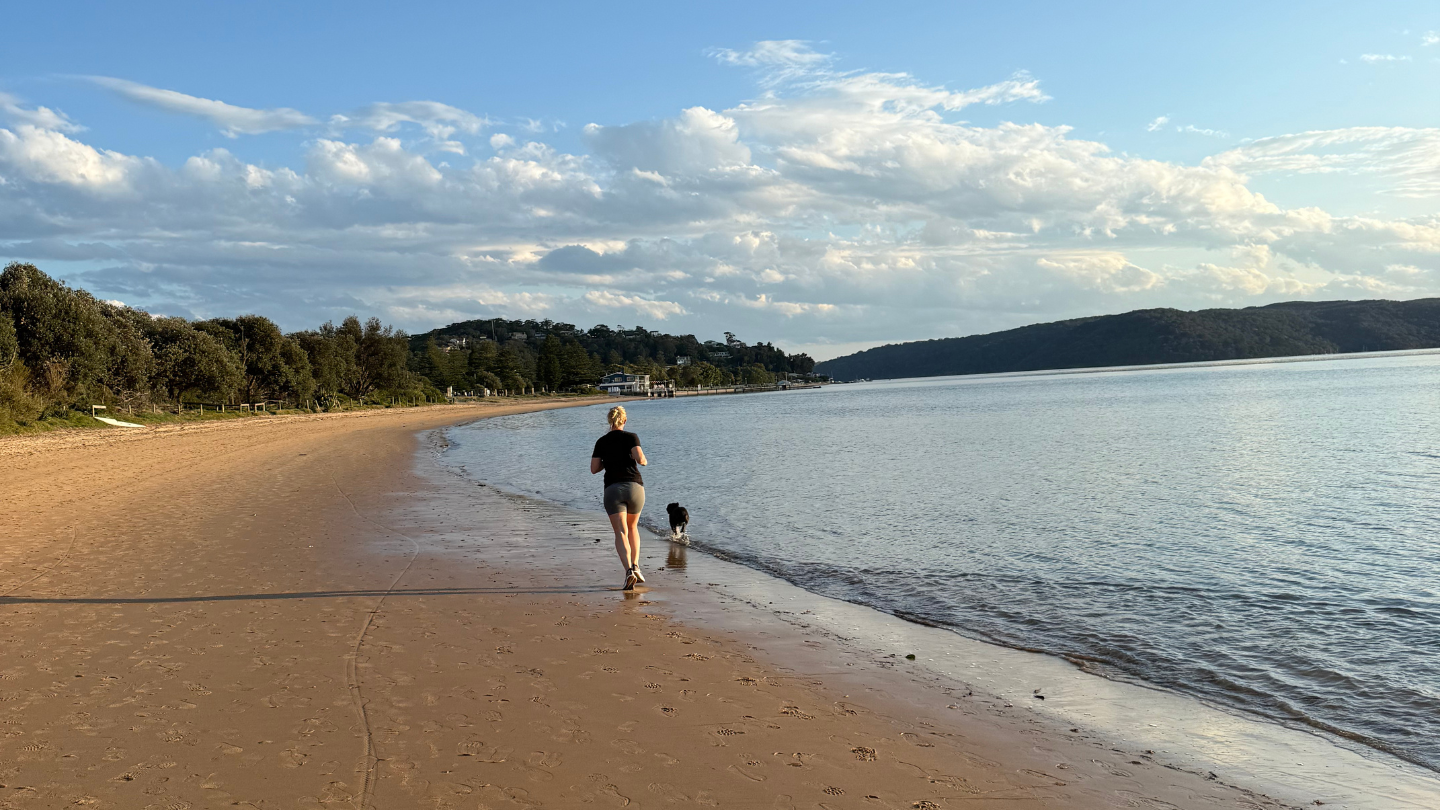
I am no professional athlete but my life is deliberately filled with movement. These days it’s the gym, skiing and running the beach with my husband and my dog but for my whole life it’s been team sports, competitions for surfboat rowing and swimming, many half marathon runs events and city-to-surf events and one full Sydney marathon.
Community events have given me goals to work towards, teams give me people to laugh and achieve with and setting myself challenges give me a sense of purpose. Any injury, like an ACL rip all this away from you, along with your mobility and the effect on your mental status-quo can be unexpected.
The mental impact from an ACL injury
A sense of feeling out of control can come from unexpected places, unsure what to eat anymore, as your weight blows out from having limited mobility. Feelings of envy bubbling up as you watch others jogging, missing a ski season. You can see how people can just …give up and sit on the couch in a funk and eat chips and chocolate. Diving deep to wait out the injury period, diligently performing boring rehab and repetitive exercises and generally ‘missing out’, it can be really exasperating with moments of tearfulness, all the while ‘trying to stay grateful’ it wasn’t worse.
Step 1: Head to the physio
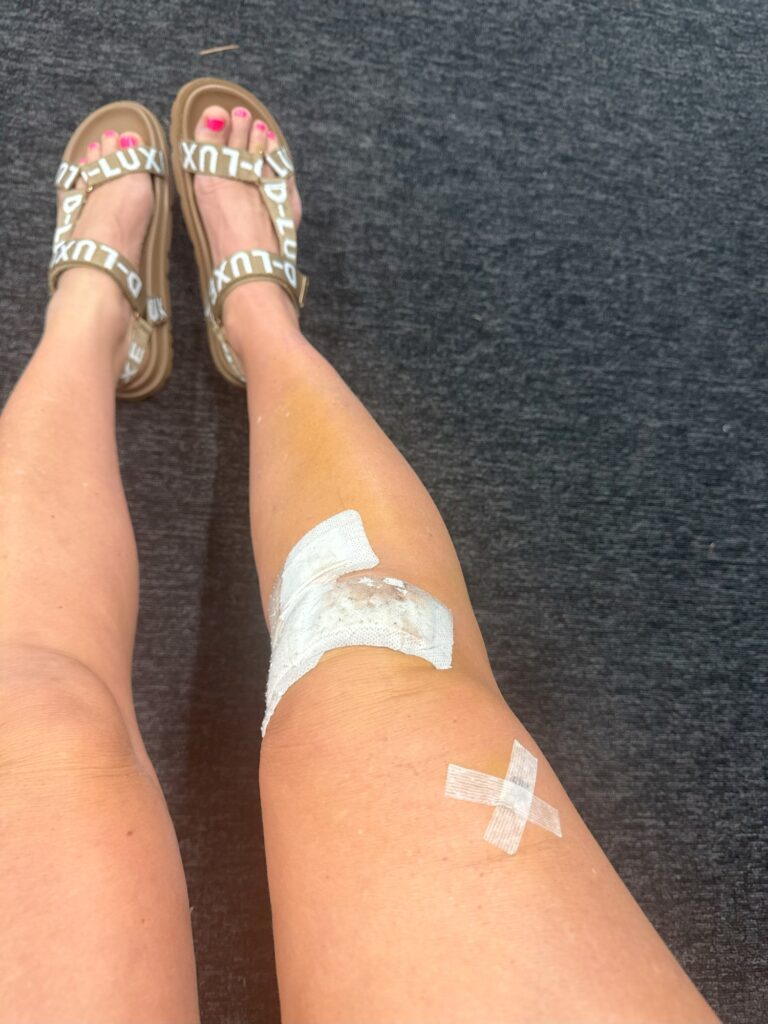
For my comeback, I chose to view my physio as my ‘coach’. Working towards a plan, (skiing January Northern Hemisphere snow season is the goal), I stick as closely to his recommendations as possible, with him measuring my progress with tasks and loading extra tasks or weighted exercises to a limited gym routine, that’s what I’d usually see as ‘not really exercise’. Sticking to physio advice might seem like a no-brainer but research shows early (boring) rehab tends to fall off people’s radars due to its repetitive nature and the lack of seeing much progress.
Step 2: Invest in good equipment
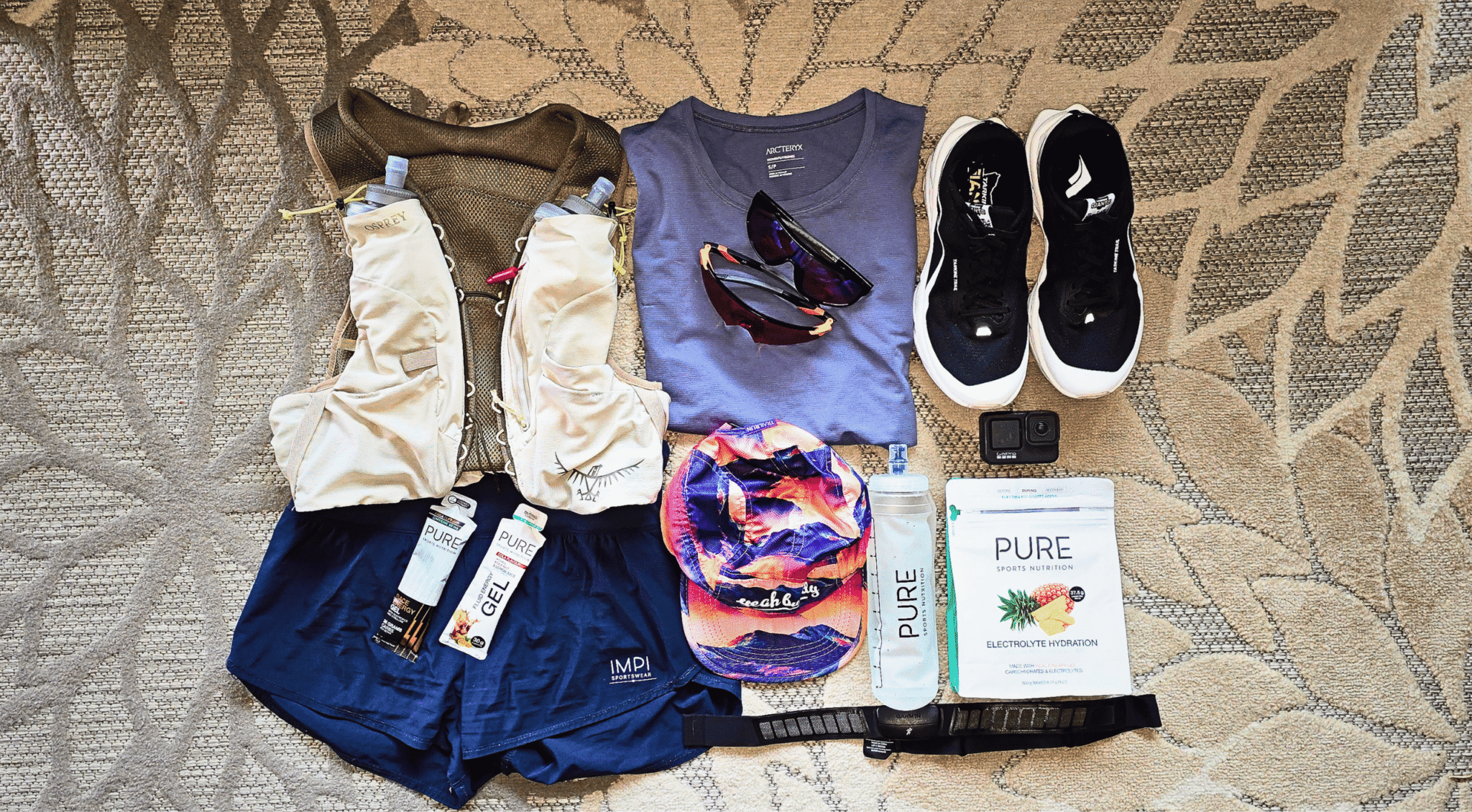
This side of things is important to me, the donning of a ‘uniform’ signals to my brain that performance is expected. In my case it is brand new active wear for running, proper running socks, not casual cotton socks and a deep dive into research for new bindings for my skis for the upcoming snow season.
Step 3: Get the right footwear
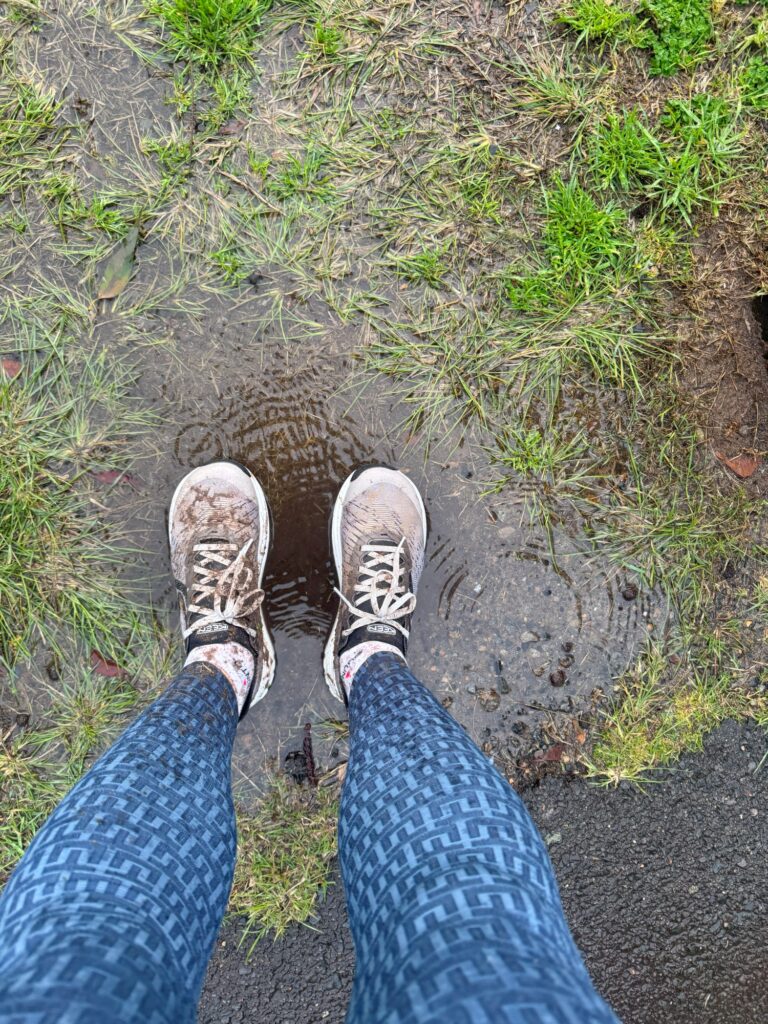
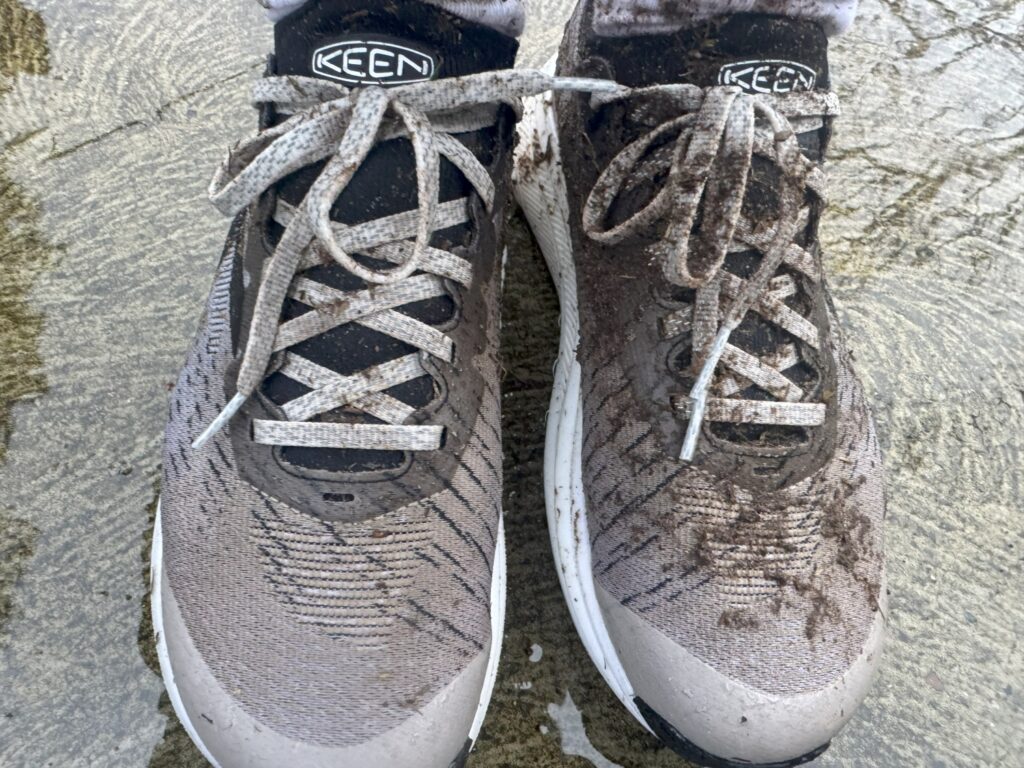
I’d never worn ‘proper’ running shoes before, tending to buy shopping mall sandshoes that, (like a little black dress transforming from day-to-night), can be worn from the gym to the beach to tennis and also road running. This is where my physio (The coach) came in, urging me to support my feet properly to not twist my knee, and warning me of the dangers of uneven sand or footfall for unexpected knee movements. Slipping on KEEN’s Seek Trail Runner, from the first time, I could tell my instep was supported with a comfortable feel. The supportive cushioning in my forefoot and heel was a new feeling for me. There was going to be no twisting and I won’t be going back to regular sandshoes.
Step 4: Start with low expectations
I started with low expectations. That’s how I’ve achieved many things in my life, like completing a full marathon as a mum of three (with a 2 year old at the time) and first getting into backcountry skiing when I’m pretty time-poor so this time returning to running was no different. My first run was a modest loop of the local sport oval that took 5 minutes, a few days later it was two laps, then it was three. Heading back to our local beach, where our family habit was to run up the beach with a slight incline then run back on a flat trail, I took the flat trail option both up and back. I joined Park Run, took an increased interest in Trail Run events, gear and stories and put a couple of low-key 5km events on my calendar for the summer ahead.
Step 5: Nutrition to match the journey
Going from healthy eating to I-give-up-I may-as-well-eat-anything and back to healthy eating again is hard going. The body gets comfortable, the gut health changes and the bad guys in the body start calling the shots. The preference for crappy food has crept in so the body protests if you try anything too extreme too suddenly, it’s a slippery slope. I kept my low expectation rule here, and tried to implement one major change – ‘no ultra-processed foods’. A small rule, but there’s some much scope with non-ultra processed food choices, so along with a couple of slip ups, it’s a fairly simple rule with slowly but surely effectiveness.
Step 6: Measuring the change
For several months I’ve stuck to these incremental changes, I don’t measure too strictly with tape measures or anything formal, like a scale that could get a bit depressing. But sure enough, as the weather warms up and my body, which is increasingly fueled by better nutrition, craves better food choices, something magical starts to happen. I start feeling proud of myself, my achievements, my progress and my choices – I start feeling happier. Just by doing these small things, nothing too big or crazy.
An ACL injury doesn’t have to end the story of how you move. It can be the start of a new chapter, but small wins and deliberate choices slowly but surely bring your happy back. To read more great trail running stories, pick up Trail Run Mag.