Behind the Scenes: Trail Run Mag 2026 Trail Shoe Group Test
Go behind the scenes of Trail Run Magazine’s biggest shoe group test yet and discover what happened before each score made it into print.
Every runner wants to know the same thing before buying a new pair of trail shoes:
Which one is actually right for me?
Answering that properly takes far more than a quick pretend jog up and down the shop floor or around the block.
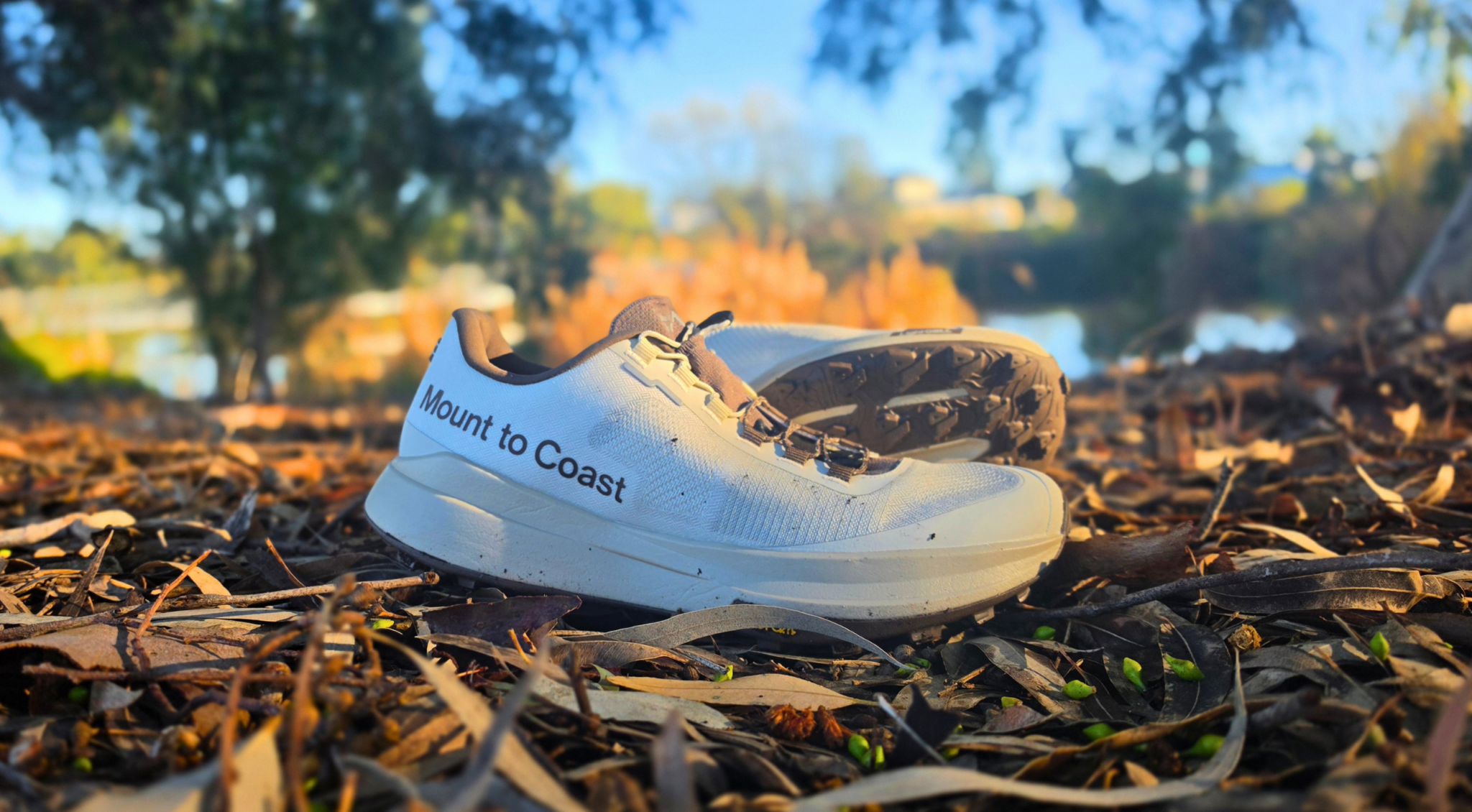
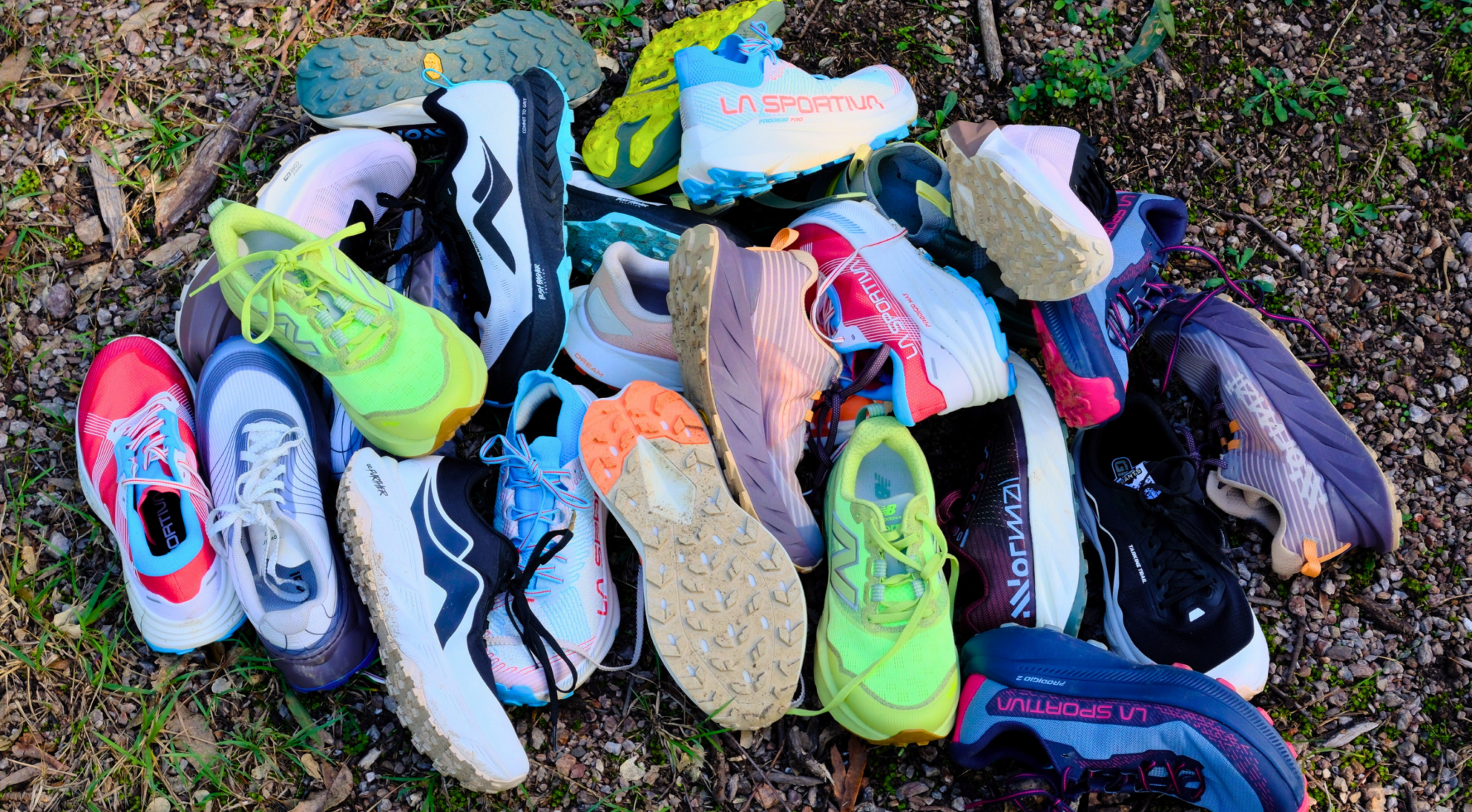
Over eight weeks, I tested 12 trail shoes across Brisbane’s Mt Coot-tha, Bardon and Upper Brookfield trail networks, putting every model through the same series of runs, climbs, descents and comparison loops. The aim wasn’t to crown one overall winner. It was to understand where each shoe genuinely excelled and who it was best suited to.
The test at a glance
- Shoes tested: 12
- Testing period: Approximately eight weeks
- Primary locations: Mt Coot-tha, Bardon and Upper Brookfield
- Comparison loops: Approximately 5km
- Longest runs: Mt Coot-tha Traverse combinations and the Upper Brookfield “Dam Run”
- Conditions: Predominantly dry Brisbane winter trails, with one damp session following rain
- Tester: Margot Meade (and for Mammut Aenergy Trail All Mountain Low – Max Hobson)
How the shoes were tested
One of the biggest challenges in any shoe comparison is removing as many variables as possible. If every run is different, it’s impossible to know whether it was the shoe performing differently—or simply the trail, the weather or the runner.
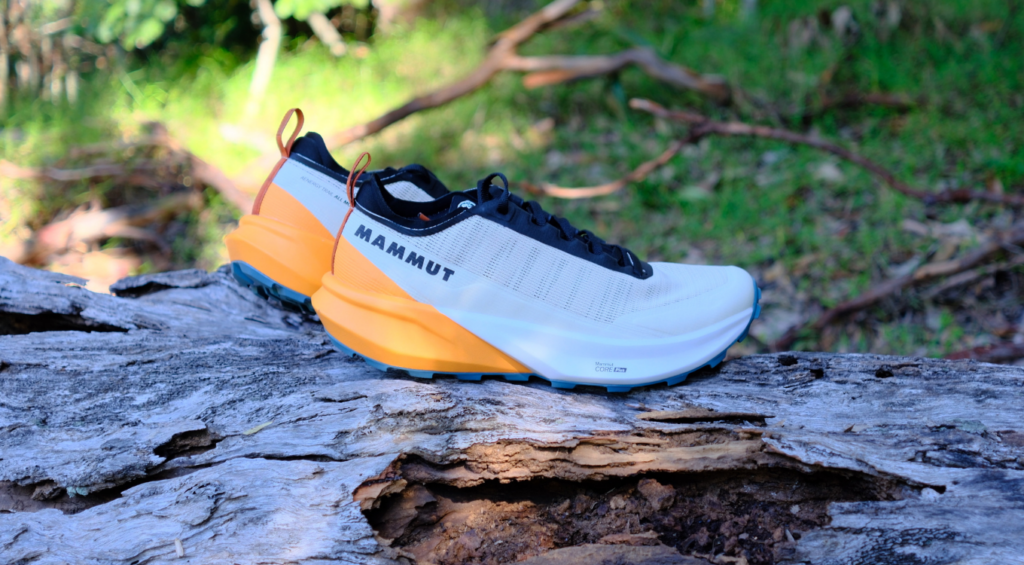
Every shoe was tested by the same runner, on the same trails and in comparable conditions wherever possible. The only exception was the Mammut Aenergy Trail All Mountain Low because Mammut supplied both men’s and women’s versions for testing, so the men’s model was tested by a male runner. Where relevant, those differences have been noted in the review. The only thing changing from run to run was the shoe itself. The goal was simple: when one shoe felt different, I wanted to be confident it was because of the shoe—not because something else had changed.
Testing took place primarily during Brisbane’s cooler autumn and winter months. Most runs were completed in dry conditions, although one comparison session followed rainfall, providing an opportunity to assess grip and confidence on damp rock and wetter trails.
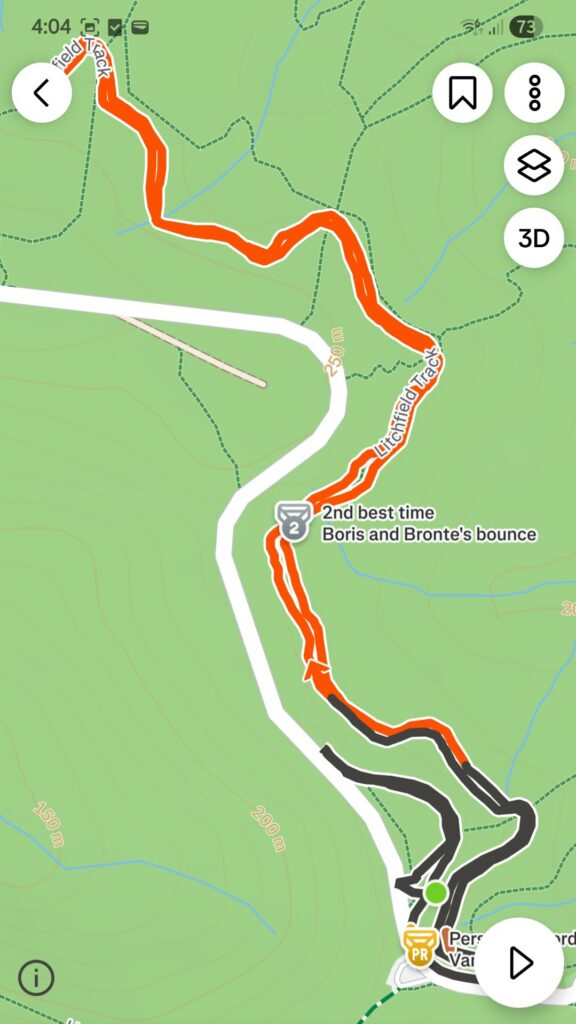
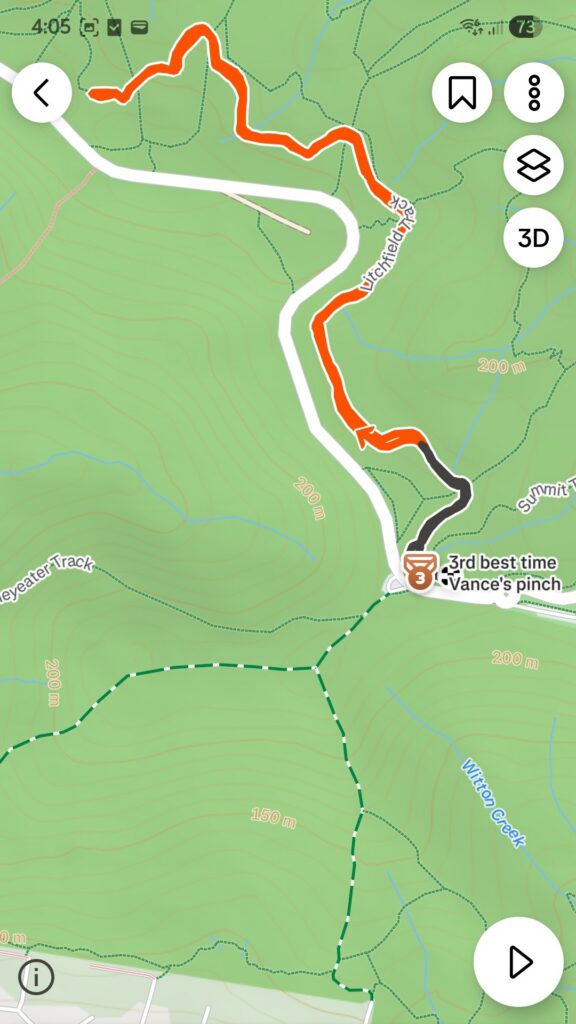
Each model began with a shorter introductory run on Mt Coot-tha’s flat and relatively forgiving Litchfield Track. This wasn’t about scoring the shoe. It was simply about first impressions: fit, sizing and ride before moving into more demanding terrain.
From there, every shoe progressed through the same loops.
To minimise familiarity bias, the shoes were rotated constantly throughout the testing period. Rather than running one model exclusively before moving on to the next, comparisons stayed fresh because the shoes were continually swapped over the same terrain.
The note-taking process
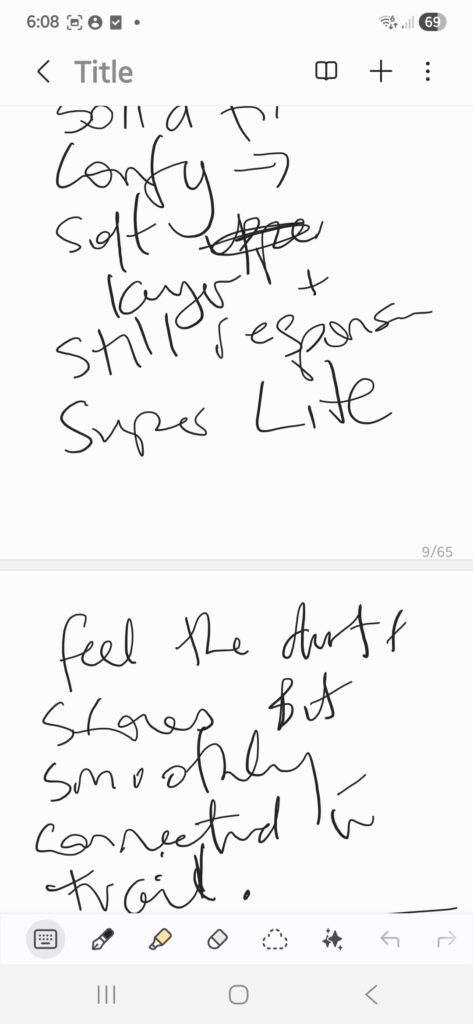
Throughout the entire test, one rule never changed: if I noticed something, I wrote it down straight away.
My Samsung phone came with me on every run and I used the pen to scribble down observations as they happened. Rather than relying on memory after dozens of runs, impressions were captured in real time. Those notes became the foundation of every review.
The trails
Brisbane proved to be an ideal testing ground with consistent weather and conditions. I made sure that every shoe faced the same challenges.
Mt Coot-tha and the connected Bardon trail network offer an huge variety of terrain within a compact area. Steep fire roads give way to loose gravel, rocky climbs, huge rock steps, technical descents, flowing singletrack and awkward off-camber traverses—all the features that quickly expose a shoe’s strengths and weaknesses.
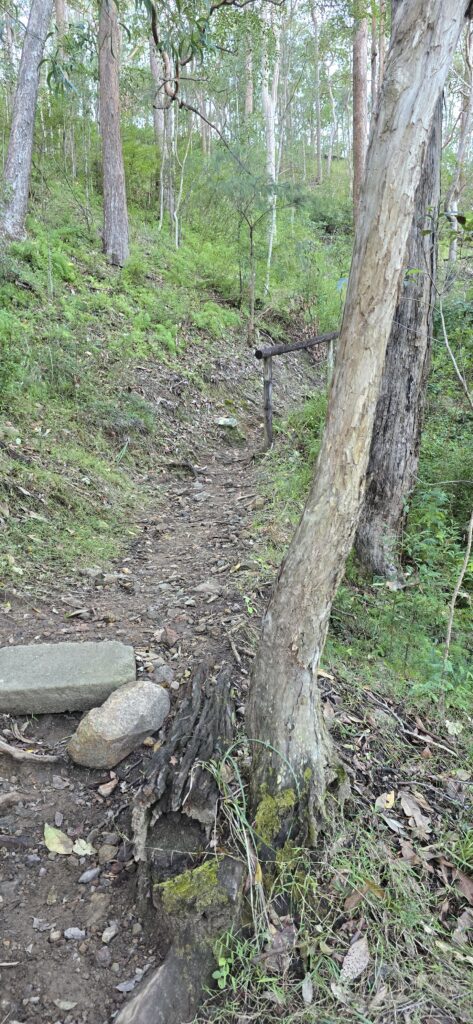
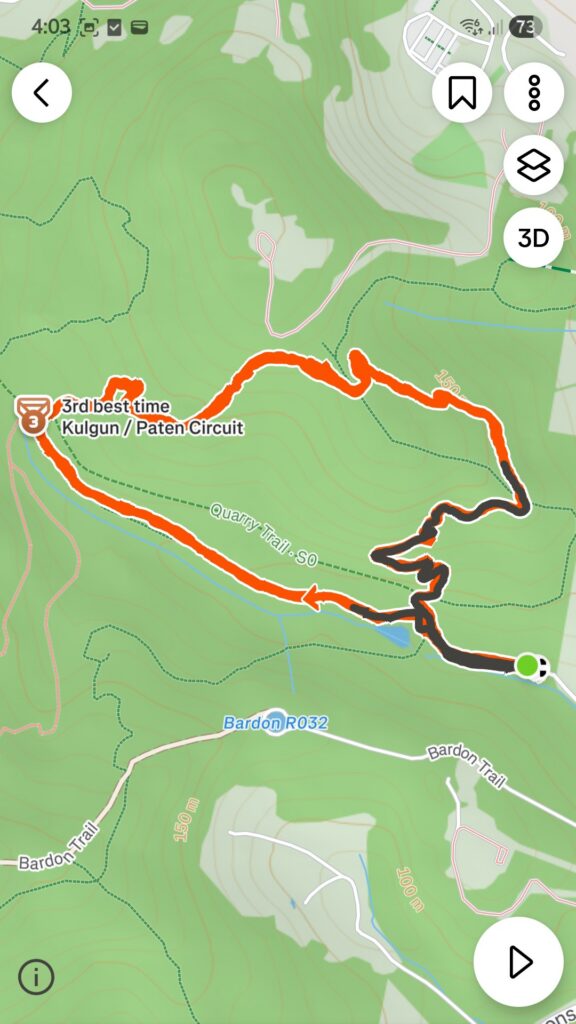
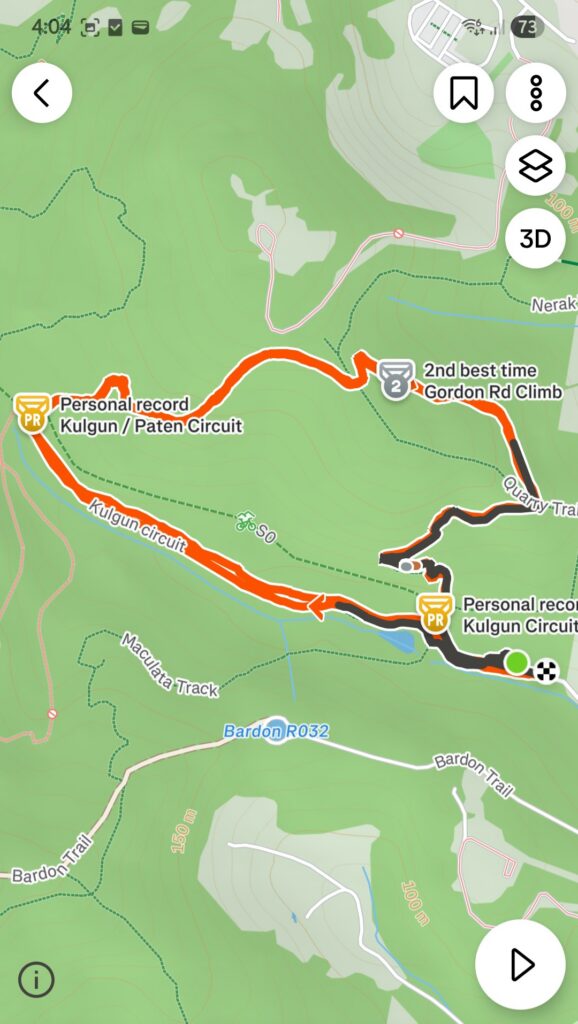
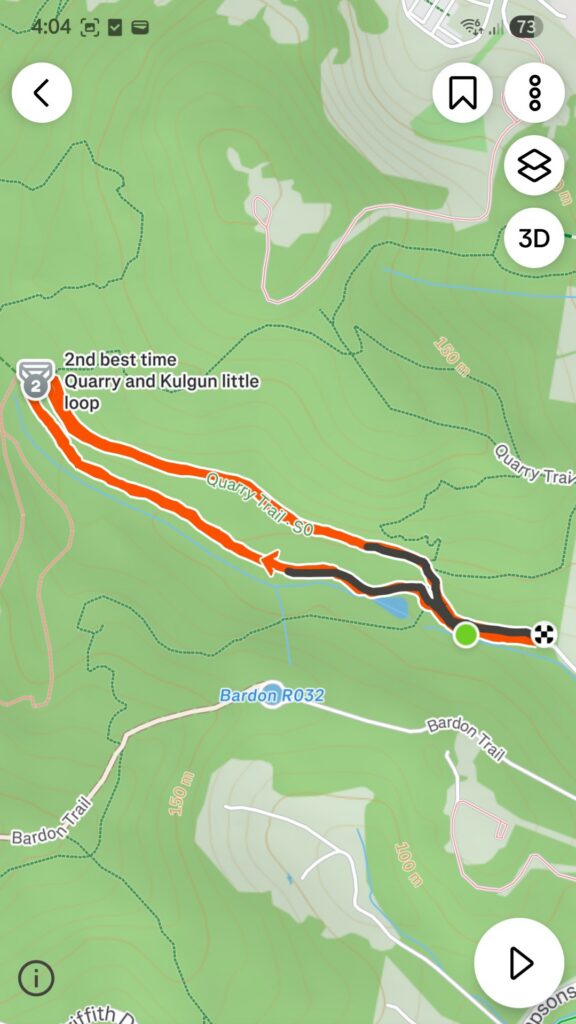
Many of the comparison runs covered around five to ten kilometres and deliberately packed as much variety into a relatively short distance. The routes combined sections of Litchfield Track, Powerful Owl Trail, Pinnacle Track, Honeyeater Trail, Bardon Track, Maculata Track and the Kulgun Circuit to create consistent testing loops.
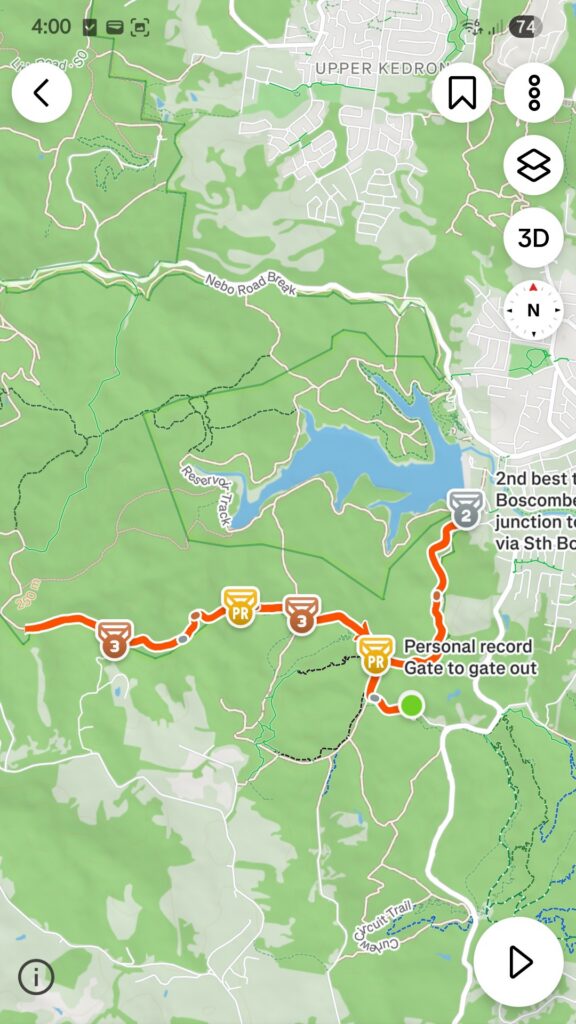
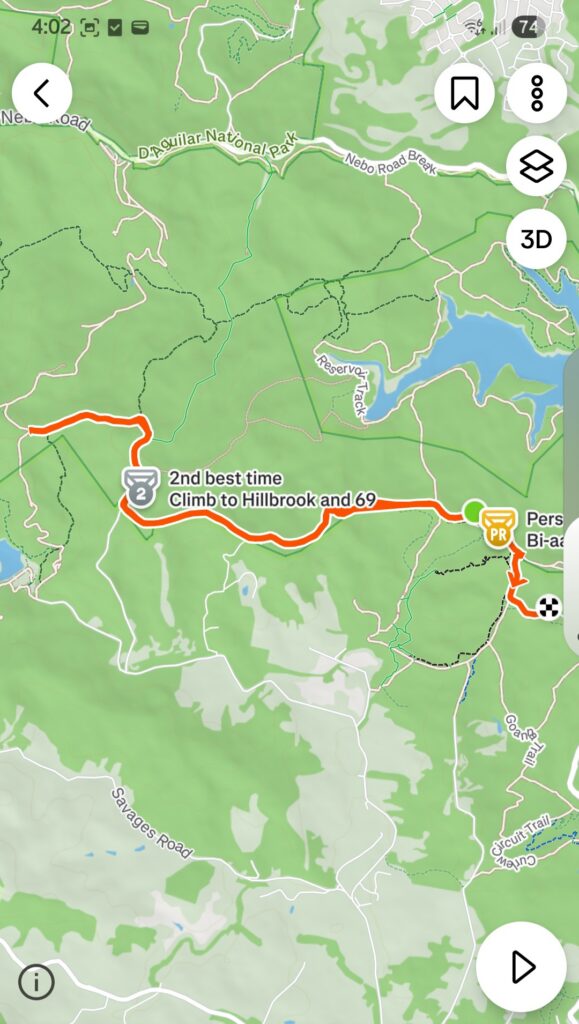
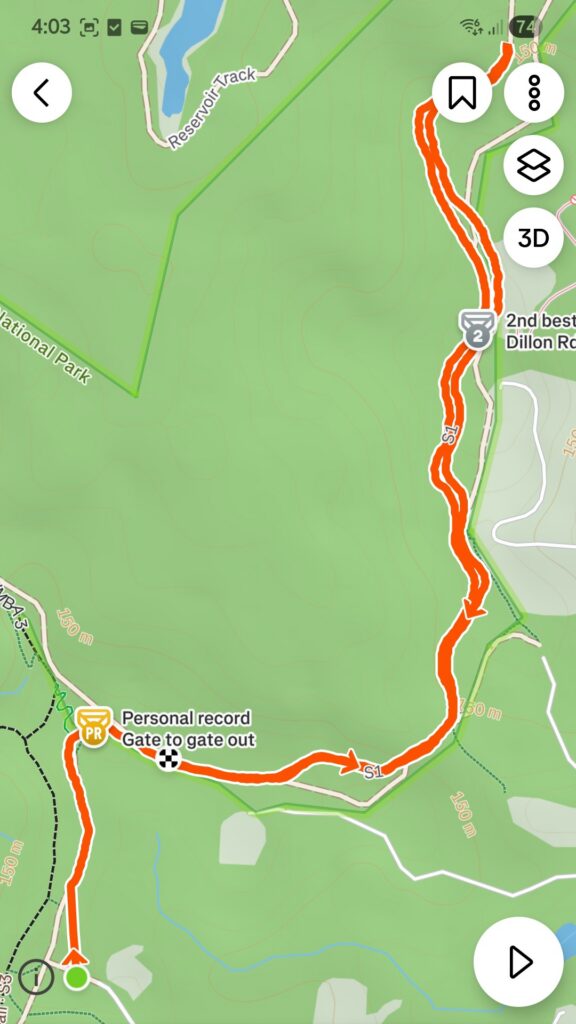
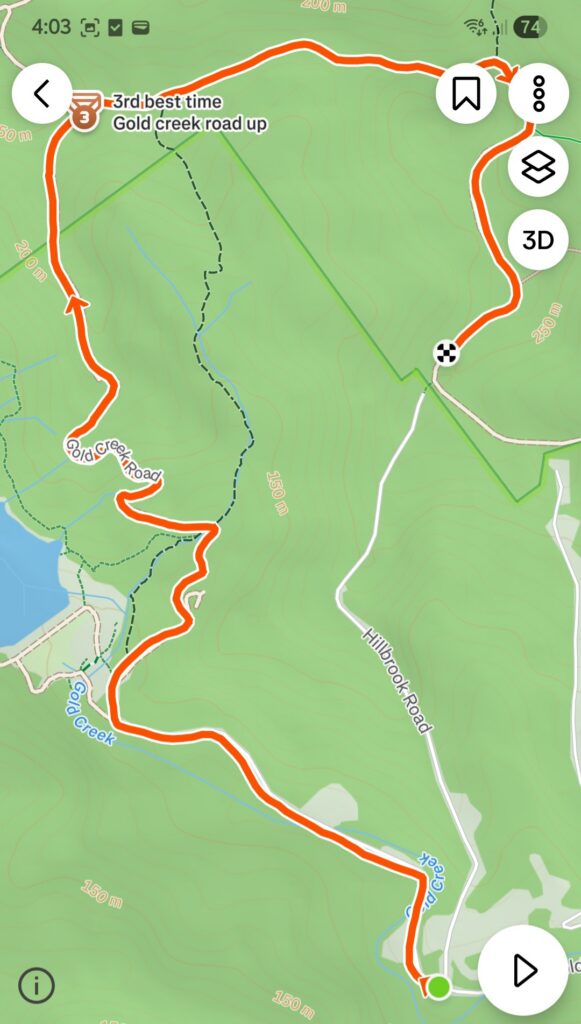
For longer-distance testing, the shoes tackled larger combinations of the Mt Coot-tha Traverse and the interconnected Bardon trail network. Another regular stomping ground was the Upper Brookfield “Dam Run”—a demanding route featuring sustained climbs, long descents and relentless elevation that quickly exposed how shoes behaved once fatigue began to build.
What we looked for
Every run focused on the same questions.
- Did the heel stay locked in especially on descents?
- Was there enough room in the toe box as my feet warmed up?
- How confident did the shoe feel braking on loose gravel?
- Did it encourage quick changes of direction or feel sluggish?
- How stable was it across off-camber terrain?
- Was there enough protection without sacrificing trail feel?
- How did the cushioning feel once I was fatigued?
- Would I reach for this shoe again for the same type of run? If not why?
No shoe completely excelled in every category, which is exactly why the reviews focus on matching shoes to runners rather than trying to celebrate one overall winner.
The unexpected
A few of the biggest takeaways caught me completely off guard.
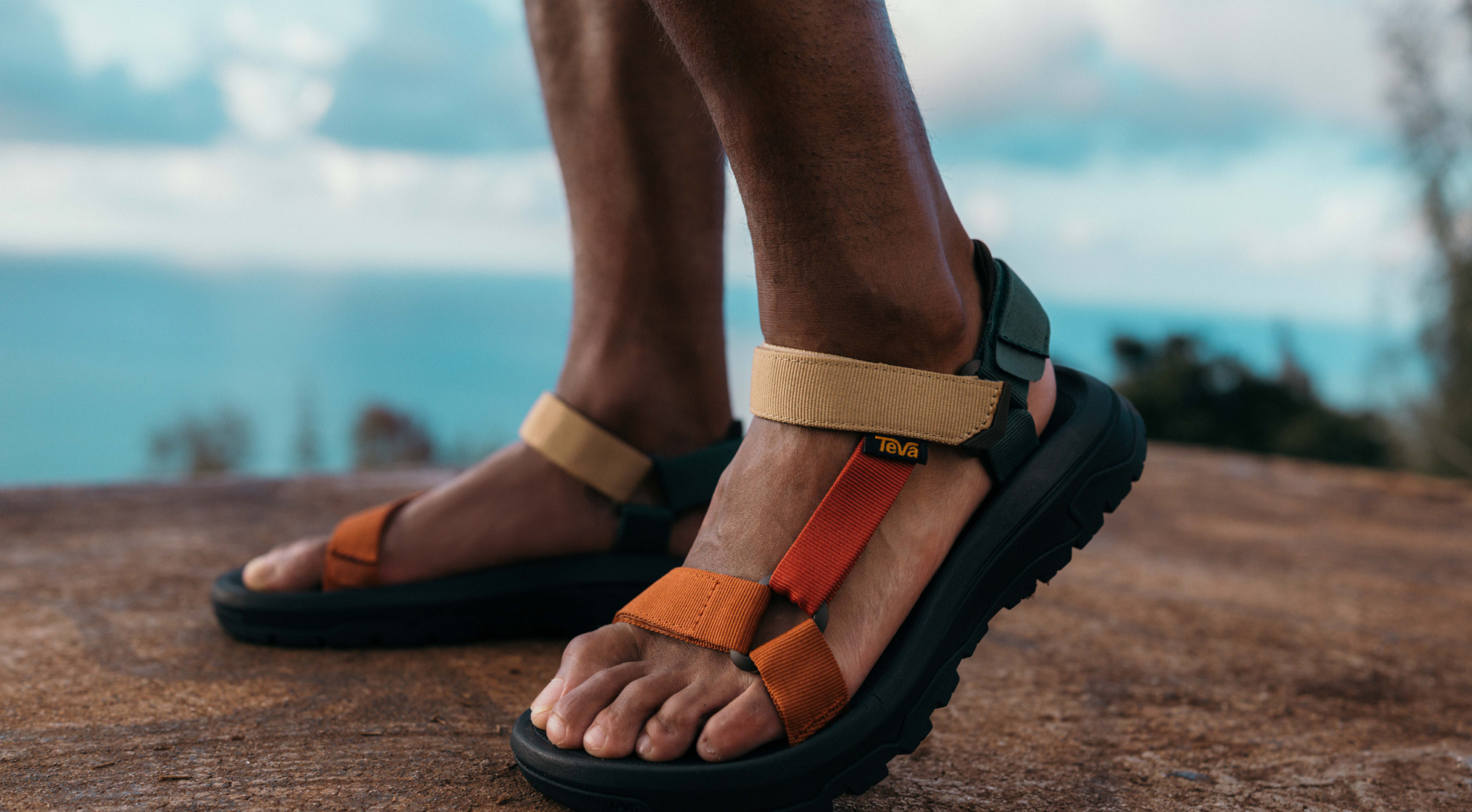
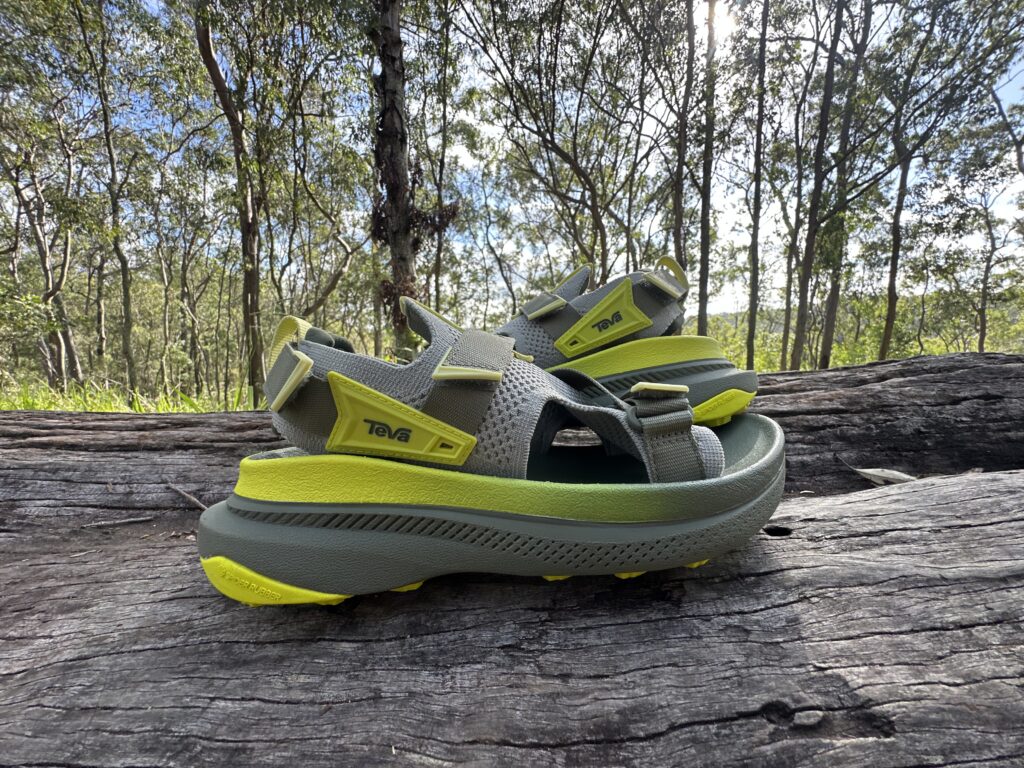
The Teva Aventrail Sandal was easily one of the biggest surprises of the entire group test. I wasn’t sure what to expect, if I’m being honest. But it delivered impressive cushioning, stable handling and far more grip than I’d imagined possible from an open sandal.
Something else that stood out was that some shoes don’t show all their cards during the first couple of runs.
Some impressed immediately but became less exciting over longer distances. Others, such as the NNormal Tomir 2.0, took patience before revealing their strengths and ultimately became some of the most trusted shoes in the test.
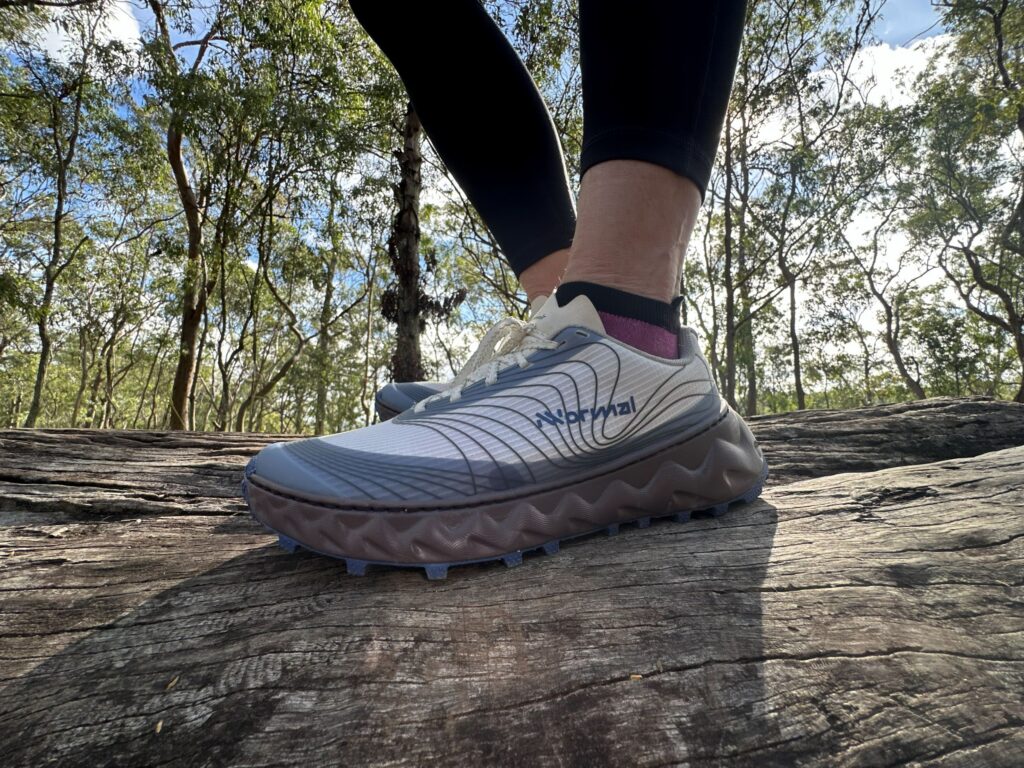
The testing also reinforced that specifications only tell part of the story. Stack height, weight and lug depth all matter of course, but they don’t always predict how a shoe will actually perform once the trail becomes steep, loose or technical.
Why there isn’t one overall winner
Some of our readers have been asking which shoe “won” the test.
Honestly, the answer is none of them really “won”.
Every shoe in this test had a different personality and they were built for a specific purpose. For example, some were definitely built for speed and others prioritised comfort and supporting achy joints over long distances. Some shoes thrived on technical terrain, while others came alive on smoother trails. That’s exactly what made comparing them so interesting.
Rather than ranking the shoes from first to last, the goal was to identify where each model genuinely stands out.
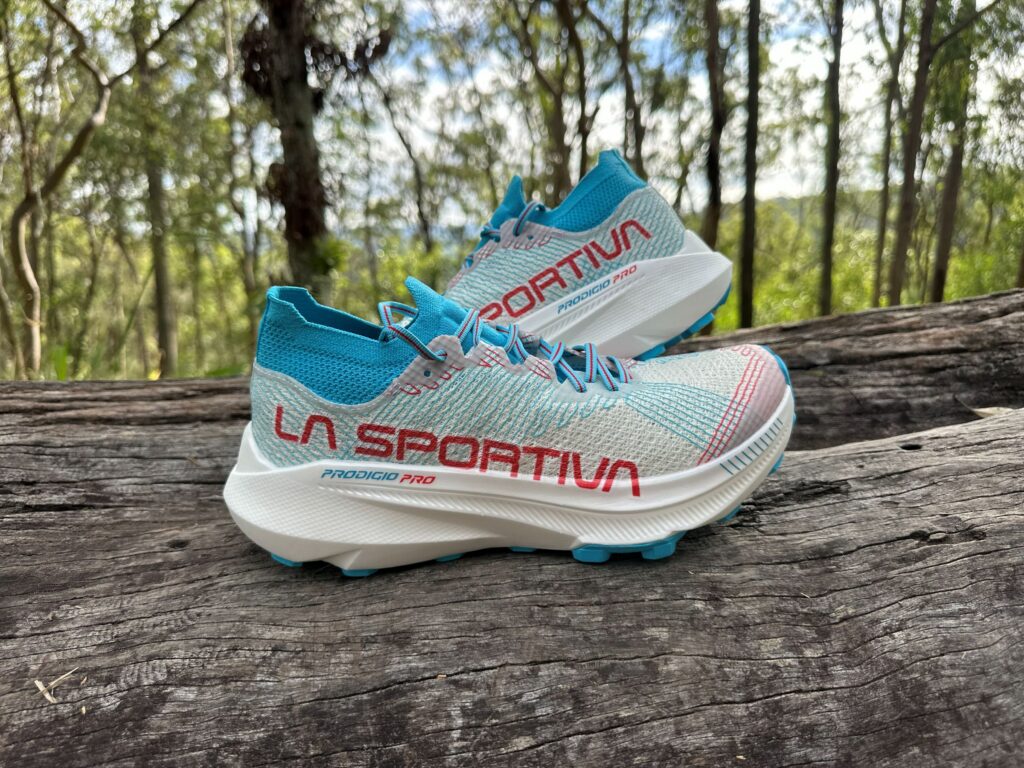
That’s why the group test includes recommendations for categories such as daily training, ultra racing, technical terrain, trail feel, long-distance comfort and breathability. The best shoe isn’t the one with the highest score—it’s the one that best matches your running style, terrain and goals.
Final thoughts
If there’s one thing this group test reinforced, it’s that there has never been a better time to be a trail runner. We have so many incredible shoe options.
Every shoe in this test earned its place for a reason. Some are built to chase podiums. Others are designed to keep you comfortable and protect your body or give you a confidence boost when the trail becomes unpredictable.
Hopefully, these reviews make it easier to find the shoe that’s right for your adventures.
Some of the trails
Want the full reviews?
This behind-the-scenes story is just one part of our biggest shoe group test yet. Subscribe to Trail Run Magazine to read all 12 in-depth reviews, compare the scorecards and discover which shoes came out on top for your style of running.