What the Heck Is a Backyard Ultra?
Find out how the race format works and practical tips to tackle one of trail running’s toughest challenges.
Images James Raison, Marco Noe and Nancy Jayde Photography
At first glance, a backyard ultra doesn’t look like much.
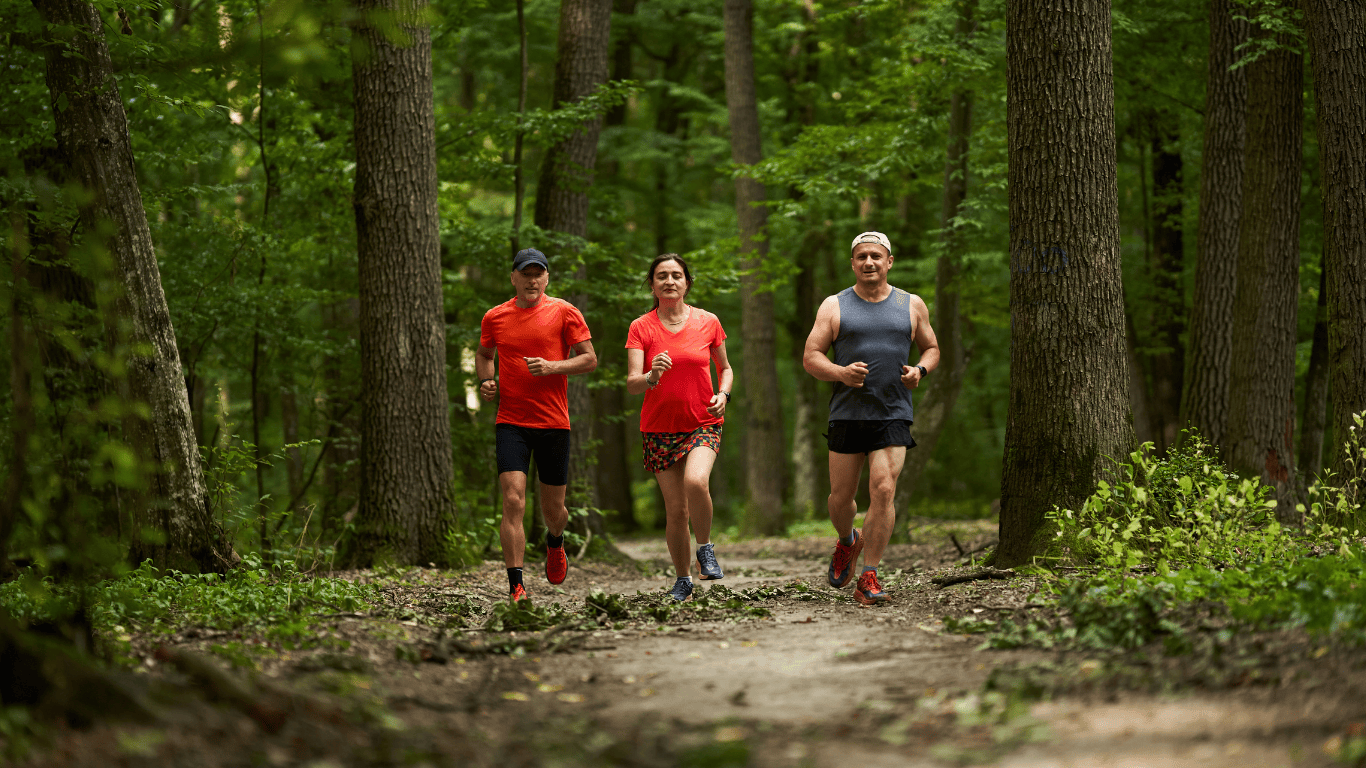
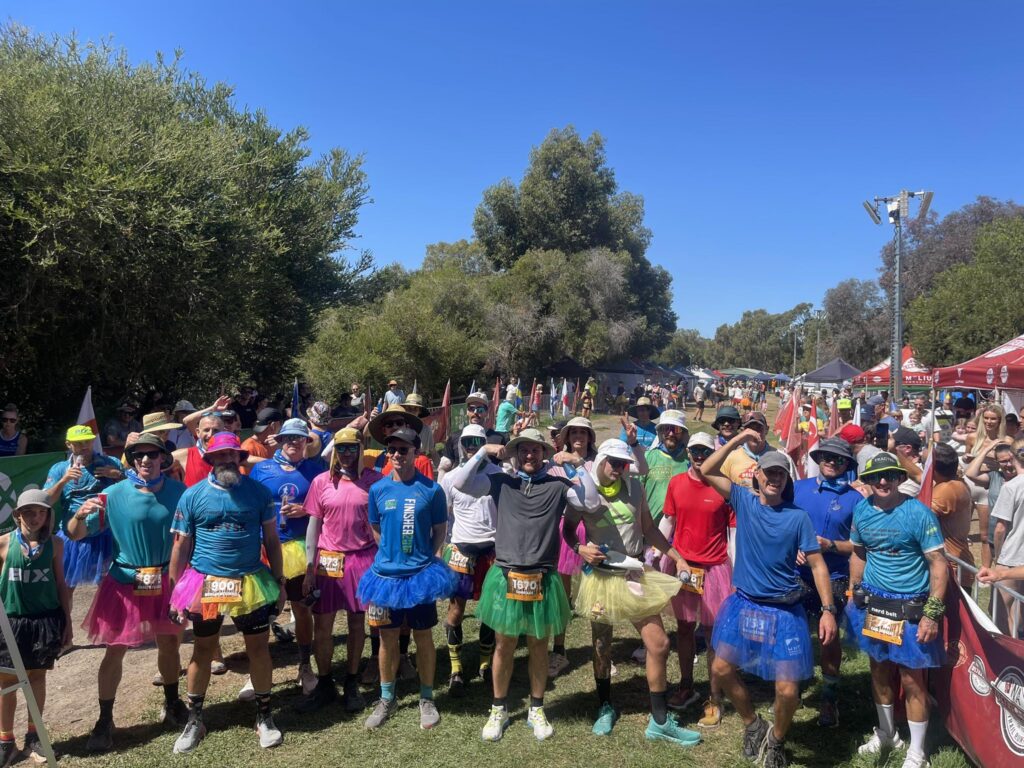
You won’t see a dramatic start chute filled with a pack of nervous runners jostling for position. Instead, you’ll usually find a handful of tents, a few folding chairs, head torches dangling from branches and runners sipping coffee like it’s a Sunday social run.
Then someone blows a whistle.
Exactly one hour later, they’ll all be back at the same line, doing it again. And again. And again. Until only one person is left standing.
Welcome to the backyard ultra—one of the simplest race formats in running, and somehow one of the most brutal.
So… what is a backyard ultra?
The rules are almost laughably straightforward:
- A single loop of 6.706 kilometres (4.167 miles).
- A new lap starts every hour, on the hour.
- Finish early and you get to rest.
- Finish late and you’re out.
- Miss the start of the next lap? Also out.
- Only one runner can win.
- There is no set finish distance or time.
If two runners remain and neither can complete another lap, there is technically no winner. It’s survival of the most stubborn.
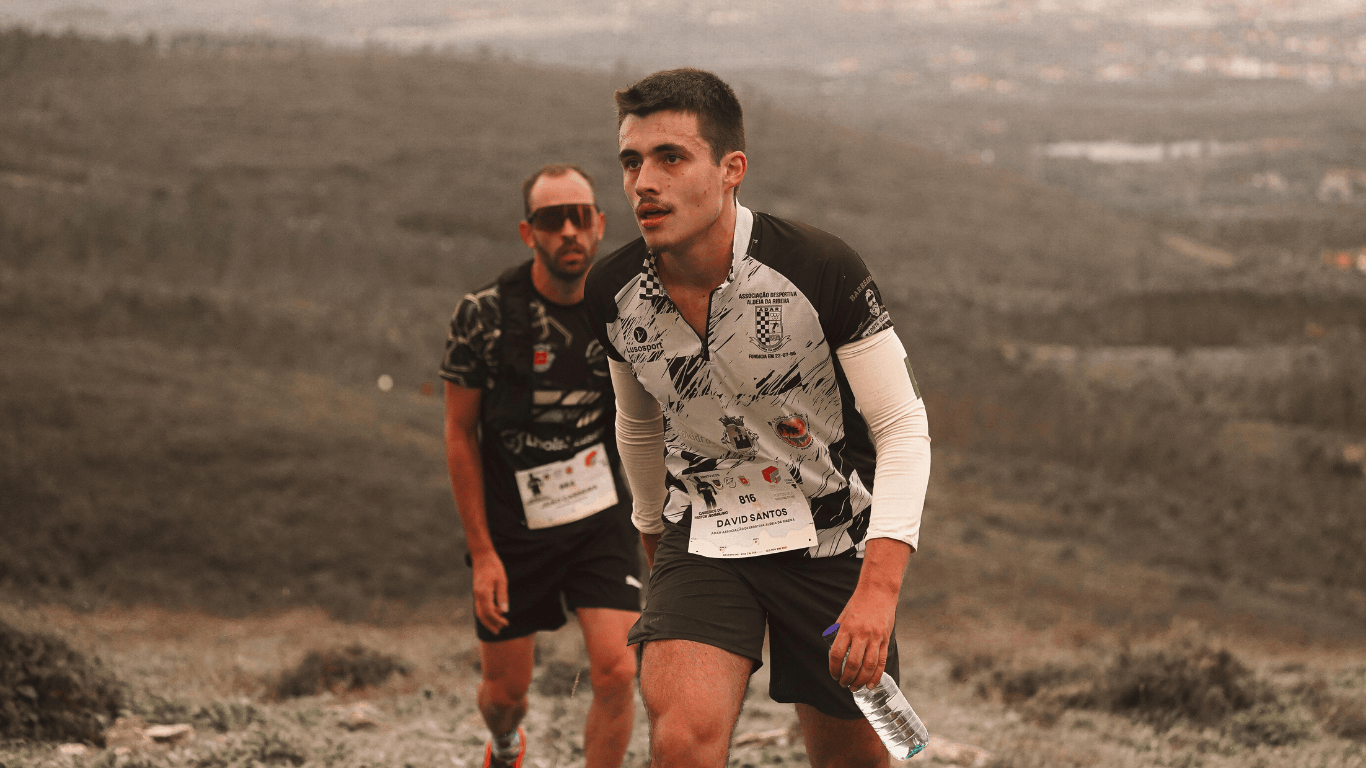
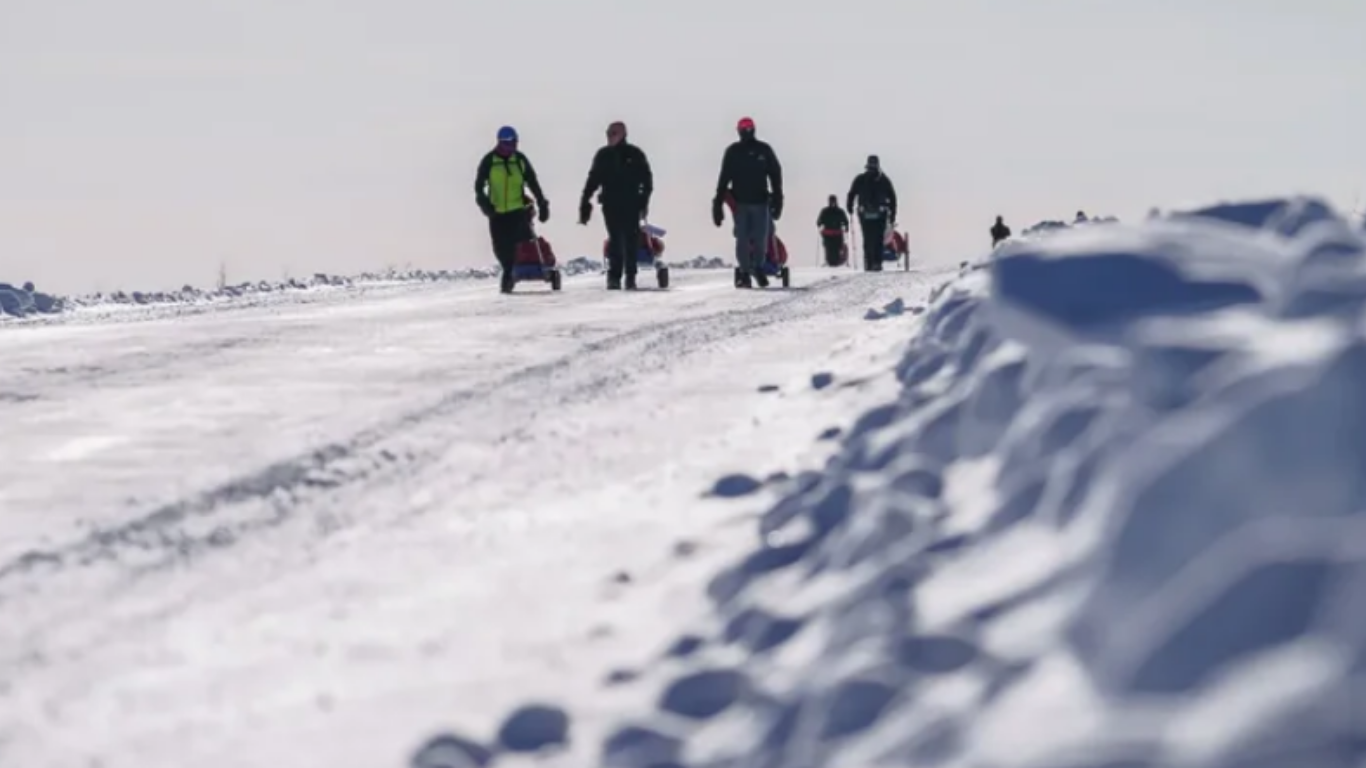
Some races finish in 12 hours. Others run well beyond 24. The big ones can stretch into multiple days, where sleep deprivation becomes as much a competitor as the terrain.

Where Did It Come From?
The format was created by Gary “Lazarus Lake” Cantrell who is the same mind behind the infamous Barkley Marathon in the United States (the one almost nobody ever wins). Unlike Barkley, however, the backyard ultra was designed to be simple to organise and universally accessible.
And it worked.
The format spread quickly because it doesn’t require mountains, huge permits or massive logistics. You can hold a backyard ultra in a park, on a farm, around a lake or through quiet forest trails. Because of the relative ease of organising, its popularity has steadily grown across Australia and New Zealand, where the trail running community has embraced it with enthusiasm.
Why runners are obsessed with backyard ultras
Backyard ultras are attracting people like flies to honey. People sign up once out of curiosity and then return year after year.
Part of the appeal is the community feel. You constantly reconnect with the same runners because everyone starts together every hour. Crews at backyard ultras cheer for everyone, not just their own athlete which gives them a warm vibe.
You don’t need a pacing strategy like a traditional ultra and there no finish line to chase and no scenery payoff after the climb. Instead, you get repetition. Lots of it. You have to manage your effort over and over again with less and less energy each lap. If popularity is anything to go by, this set up could suit more runners than a traditional ultra.
What matters more than speed is consistency. Fast runners often burn out. Steady runners quietly accumulate laps.
For many runners, it becomes less about competition and more about discovering where their limits actually sit.
Tips to Tackle a Backyard Ultra
If you’re tempted to try one, preparation looks different from standard ultra training. The goal isn’t speed or elevation gain; it’s sustaining effort over many laps.
Pace slower than you think
If you feel comfortable early, you’re probably still going too fast. The runners who last longest often look almost casual in the opening hours. Consistency beats hero laps every time.
Eat every lap
Even when you’re not hungry. Small, frequent intake works better than large meals. Rotating flavours helps avoid taste fatigue, which becomes real after 12+ hours.
Prioritise rest windows
The moment you finish a lap, sit down. Take shoes off if safe. Elevate feet. Close your eyes. Micro-naps can become incredibly valuable later in the race.
Keep gear simple
Multiple shoe options, spare socks, and easy-to-change clothing can be game changers. Avoid complicated kit systems. When you’re tired, simple wins.
Develop lap rituals
A small routine between laps — same snack, same stretch, same check-in — helps anchor your mindset. Backyard ultras are as mental as they are physical.
Use support wisely
Even a small support setup helps. Clear communication about what you need each lap reduces decision fatigue when you’re exhausted.
One More Lap
The backyard ultra strips running back to its simplest question: Can you do this again?
Not tomorrow. Not next week. Right now.
There usually isn’t a grand finish line for most runners. Just the quiet decision to line up again on the next hour and see what happens.
In a sport often obsessed with numbers and splits, the backyard ultra reminds us that sometimes the only distance that matters is the next 6.7 kilometres.
Where do you sign up you ask?
Check this article for the Ultra Series back yard events for 2026 in Australia. And this calendar for all 2026 backyard ultra events.
If you book an Ultra Series event, use Promo Code TRM15 to get 15% off. But hurry this offer ends 28 February 2026. Not valid with any other offer and only valid if you book an Ultra Series event.