Natural Born Runners – The Trail-Running Series Changing Our Connection With Nature
A YouTube series that invites runners to rediscover why we run and to reconnect with place, people and the planet.
Images by Christian Antoine
This is not a story about winning races. It’s not a story about training, or about chasing podiums, or about finishing an event. It’s a story about connection – to places, to people, and to the planet. Kate Dzienis speaks with filmmaker and conservationist Paul Gardiner has rebranded Natural Born Runners into The EcoVenturist, an online channel where trail running becomes a lens for exploring rewilding, biodiversity, and the urgent need to protect wild places through purposeful adventure.
In an era where the divide between people and planet feels wider than ever, South African conservationist and ultra runner Paul Gardiner is using his feet – and his camera – to close that gap.
From Natural Born Runners to The EcoVenturist
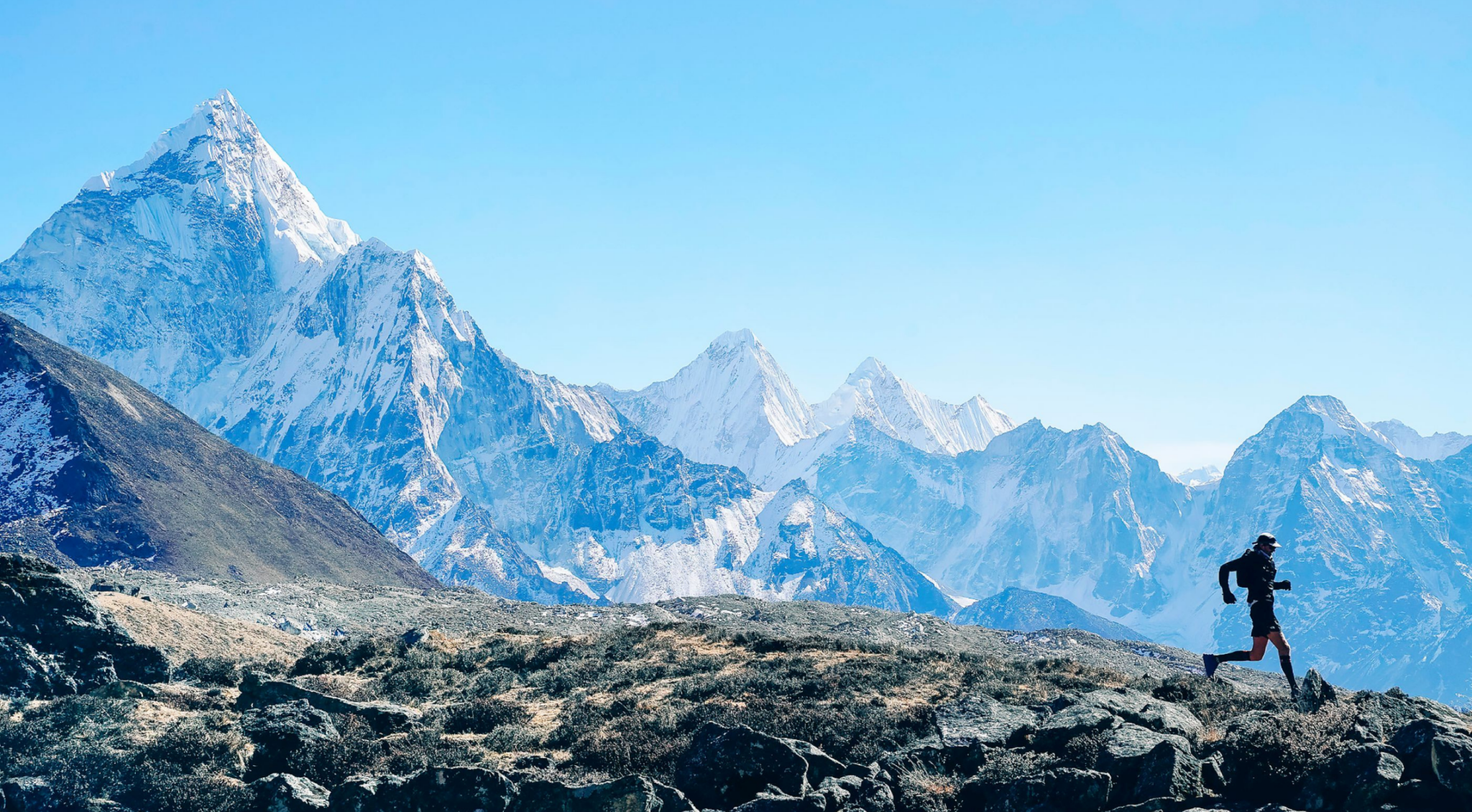
Through his cinematic YouTube series aptly titled Natural Born Runners, Paul has travelled from the savannas of South Africa to the icy wilderness of Antarctica, blending the primal rhythm of running with powerful storytelling about rewilding and ecological restoration.
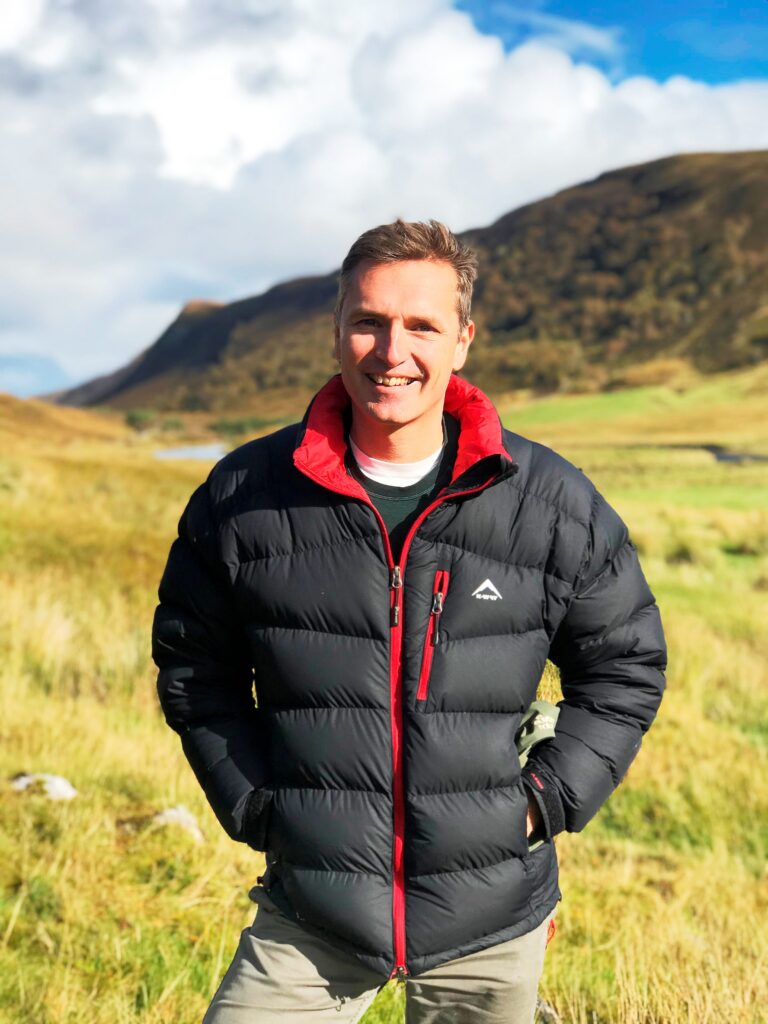
The channel, recently rebranded as The EcoVenturist, now features Natural Born Runners alongside other inspiring stories of nature, wildness, and hope.
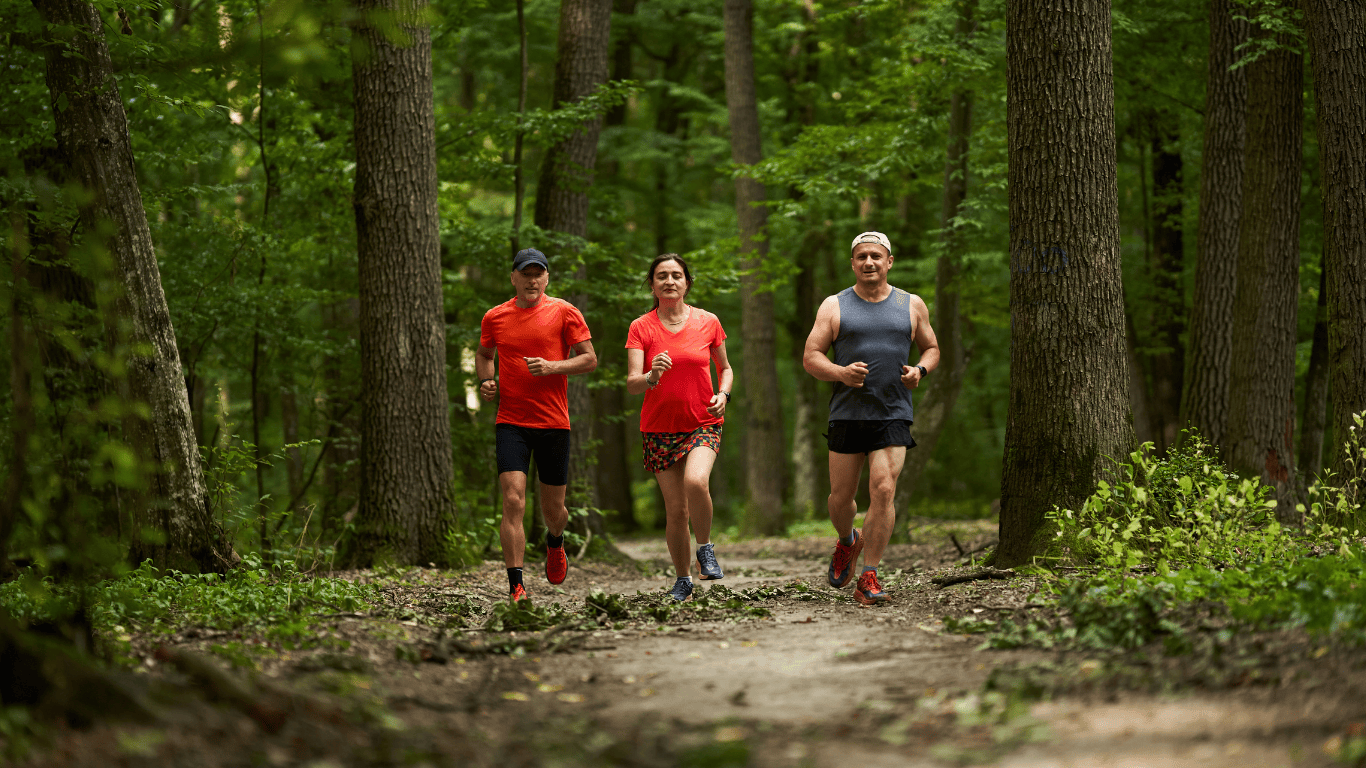
Running as a Bridge Between People and Planet
Gardiner is a lifelong runner with deep roots in both Africa and the UK, shaped by a childhood spent on the wild plains of South Africa and an adulthood immersed in nature conservation and adventure. He says his great-grandfather won the Oxford and Cambridge mile races back in 1902, so running is in the blood.
“For me though, it’s always been about more than speed or competition,” he says.
“I’ve been running seriously for more than three decades, but it really became a core part of who I am when I realised how profoundly it connects me to nature.
“Running allows me to see the world differently, and it’s my way of exploring, meditating, pushing limits and telling stories.”

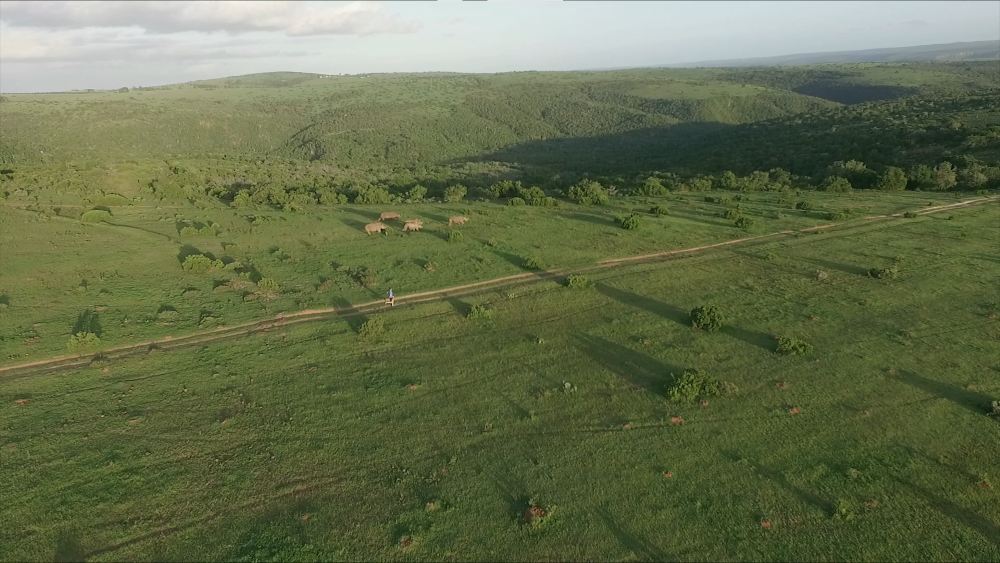
Paul’s passion for conservation began early. Growing up in South Africa’s Eastern Cape, he witnessed firsthand the transformation of degraded farmland into what would become Shamwari Game Reserve – now one of the most iconic private conservation initiatives in the world.
“My father was one of the pioneers behind the rewilding of Shamwari Game Reserve, where it transformed into a thriving Big Five (lions, leopards, buffalo, rhino and elephant) reserve,” he explains.
“I vividly remember being involved with the reintroduction of lions back into the area after they’d been completely wiped out over 150 years ago. That kind of experience truly sticks with you.”
The memory would ultimately shape a life dedicated to both movement and mission.
Want more stories like this? Subscribe and get our best features delivered free.
“Conservation has been woven into the fabric of my life since I was a teenager,” Paul defines.
“What started as a family story turned into a lifelong mission.”
Filming Wild Places Through a Runner’s Lens
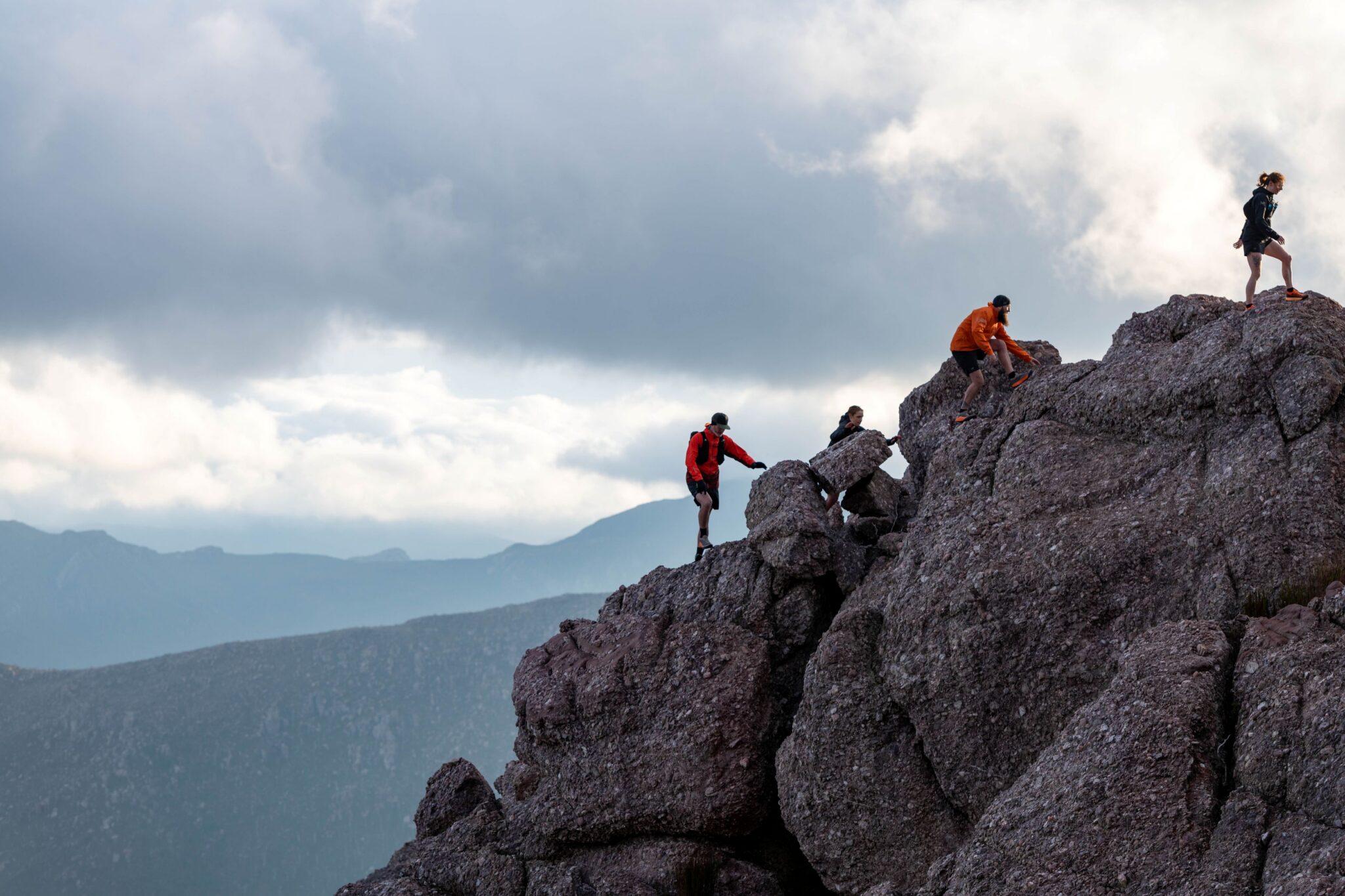
In Natural Born Runners, running becomes a metaphor for reconnection – a way of moving through wild spaces not just for speed, but for story. From cultural races in the US to the wild edges of Scotland, each episode is a deep dive into landscapes, ecosystems, and humans fighting for their future. And it’s this human element that elevates the series.
In one unforgettable episode, Paul travels to Antarctica and comes face-to-face with a colony of emperor penguins. Despite being one of the most remote and extreme environments on Earth, it gave Paul the most unexpectedly emotional experiences of the entire series.

“It made me realise just how much damage we’ve done – not just to habitats, but to the trust between our species and the rest of the natural world,” he says.
“While filming there, these magnificent penguins would waddle right up to me – completely unafraid, and curious, almost childlike in their innocence. It was surreal.
“Unlike every other wild animal on the planet, emperor penguins have never been persecuted by humans (well certainly not the colony we visited as we were only the second group ever to have visited them). They’ve never been hunted, chased, or caged, and because of that, they have no instinctive fear of us.
“That moment floored me. It felt like stepping 10,000 years back in time, to an era when humans and wildlife still coexisted in balance. When nature didn’t run from us.
“But it also gave me hope. Because if we can protect places like Antarctica – if we can give nature the space to recover – maybe that trust can be rebuilt.
“That’s the deeper message of Natural Born Runners: that we’re not separate from nature. We’re meant to be part of it.”
Movement as Storytelling
Now housed under The EcoVenturist brand, Paul’s platform is growing to encompass broader themes around ecology, environmental storytelling, and responsible travel, but Natural Born Runners remains central to its mission.
“For runners, Natural Born Runners is an invitation to rediscover why we run – not just for fitness or medals, but for meaning,” he reveals.
“For conservationists, it’s a chance to reach new audiences, and for everyone, it’s a wake-up call, but it’s also full of hope.”
Hope, for Paul, is an active pursuit. He sees movement, both literal and metaphorical, as the bridge between awareness and action.
“Running is one of the most accessible, universal ways to connect people to place – especially younger audiences who might not yet feel part of the environmental conversation,” he says.
“Through Natural Born Runners, I want to use movement as a gateway – not to lecture, but to invite.”
The People Behind the Series
The invitation is powerful. With episodes featuring stunning cinematography by Christian Antoine, the series strikes a balance between grit and beauty. Christian, Paul says, was critical to the series’ success, and goes on to detail who they collaborated with.
“His calm energy, empathy, and creative instincts were vital, especially in extreme environments like Antarctica,” Paul recaps.
“Christian knew how to capture not just the scale of the landscape, but the emotional beats too.
“I was also privileged to run alongside and meet Djimon Hounsou in the US episode. His passion for reconnecting with his African roots and his commitment to social and environmental justice brought real emotional weight to that episode.
“His presence helped us explore what running means beyond just the physical act – as something cultural, ancestral, and deeply human.
“In Scotland, I spent time with Paul Lister, the visionary behind Alladale Wilderness Reserve. He’s been a pioneer of rewilding in the UK, advocating for the return of apex predators like wolves and bears. His bold thinking and decades-long commitment to restoring wild ecosystems inspired not only the episode, but my own belief that rewilding isn’t just a southern African story – it’s a global one.
“There are many others – guides, scientists, rangers, elders – whose insights and quiet strength helped shape this series.
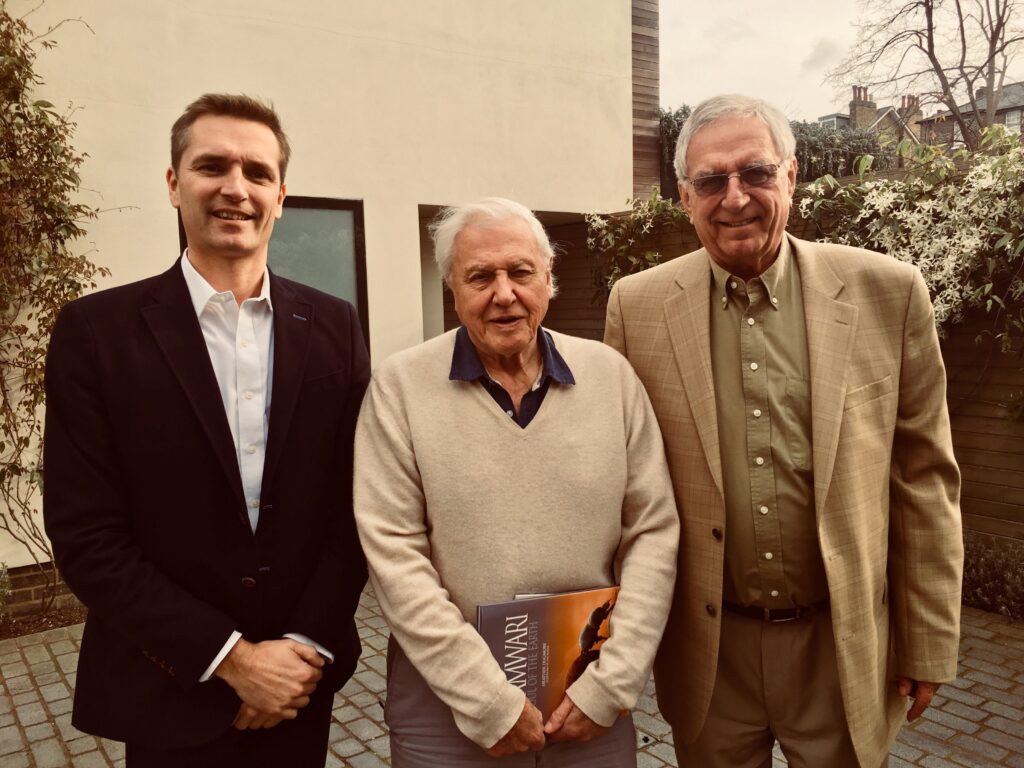
“Every episode has been enriched by people who live and breathe these landscapes. They remind us that conservation isn’t about lone heroes; it’s about collective action, courage, and a shared love for the natural world.
That global narrative echoes across the series – from Middle Eastern deserts to the jungles of Latin America and back to South Africa, where it all began.
A Call to Reconnect
For Paul, success is not just about protected land, but about restored ecosystems, thriving wildlife, and communities who see themselves as part of the story.
“Wherever I went, I found the same deep yearning: to undo some of the damage we’ve caused, and to find a way back to balance with the natural world.
“I hope viewers come away with a renewed sense of awe, and maybe even a bit of responsibility. Whether it’s supporting rewilding efforts, choosing travel more consciously, or just letting wildness back into their own lives, I hope they take a step toward living in better rhythm with the natural world.
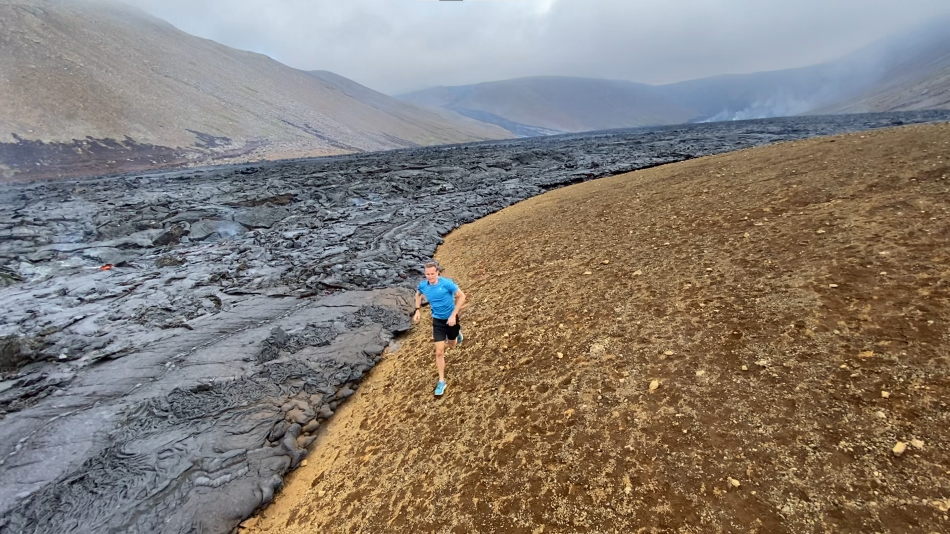
“As global citizens, I hope Natural Born Runners shifts the way people see conservation. Not as something distant or reserved for scientists and philanthropists, but as something urgent, tangible, and deeply personal. We are living in the most critical ecological decade in human history.
“Every decision – what we eat, how we travel, where we spend our money, how we vote – affects the future of the planet.
“The series isn’t about guilt or doom; it’s about reconnection.
“Because when you run through a place, you feel it, and when you feel it, you want to protect it.”