Trail Running After A Break: 10 Tips To Make Your Comeback Easier
Tried and tested advice to make your trail running comeback easier.
Images: Dominic Chaplin
Taking a break from trail running happens to everyone and it often has nothing to do with being injured. Life just happens. But jumping straight back in where we left off isn’t always the best idea, as it can increase the risk of niggles and setbacks. Getting back into trail running is usually smoother with a more thoughtful approach.
Between us, we’ve clocked plenty of comeback runs and picked up some solid advice along the way from experienced athletes and coaches. Read on for 10 practical tips to ease back into trail running, rebuild momentum, and avoid the common trap of doing too much, too soon.
Start where you are, not where you were
This is the big one. Your previous pace, distances and PRs need to patiently wait on the shelf until you’re body and fitness levels are back to where they were pre-break.
Although it’s safe to say we all measure our first run back against our previous Strava PRs at some point and grimace, it’s best to resist that urge. Your body hasn’t forgotten how to run at those paces, but it does need a little time to recalibrate.

It’s super hard for our running minds to hear this, but starting where you are doesn’t mean you’re going backwards. It’s about being cautious and realistic so you can build momentum slowly and get your physical body run-ready at a pace that won’t end in frustration. I can hear my physio’s words here: Fitness returns faster when it’s not forced.
Pick friendly, familiar trails
Your comeback run isn’t the time to get adventurous with techy trails you’ve never seen or run on.
Choose trails you know well with predictable footing, gentle gradients, and no “Oops didn’t see that coming” surprises. Familiar routes reduce mental load, which matters a lot when you’re finding your rhythm again.
Save the technical stuff and big vert for later. They’re not going anywhere.

Keep the first few runs short (even if you feel like going further)
Feeling good early is normal…. and a little dangerous.
Short runs are your secret weapon. They rebuild habit, confidence, and enjoyment without tipping you into fatigue. Ending a run thinking “I could’ve done more” is exactly where you want to be.
There’s no prize for squeezing extra kilometres into your first week back but there is a risk of overdoing it.
Run easy
If your breathing is laboured and your mind is fixated on the watch, you’re probably going too hard (for now).
Easy effort does a lot of quiet work in the background: it rebuilds aerobic fitness, keeps muscles and tendons happy, and crucially makes running feel like something you want to do again.
Remember when trail running felt fun? That’s what you’re aiming for here. Let it feel good, not like a test.

Expect some awkwardness
We’ve all experienced heavy legs a few runs into a return to trail running and let’s not talk about the freight train shallow breathing (not going there). If we’re being honest, there’s a weird disconnect between our running effort and our pace.
All other things being equal, the coaches say this is all normal.
Your body is adjusting systems that haven’t worked together in a while and it usually settles within a handful of runs. The trick is to stay positive. No need to interpret the early sensations as evidence you’ve “lost it”.
You haven’t.
Walk the hills (yes, really)
Walking climbs isn’t a setback — it’s smart trail running. In fact some coaches recommend this as part of endurance race training.
Hiking steep sections keeps effort controlled and legs fresher, especially early on. Trail runners have always walked hills; we’ve just forgotten that sometimes.

If anything, walking now helps you run more later.
Space your runs out
The temptation to “make up for lost time” is real.
Avoid it.
Two to three runs a week is plenty when you’re coming back. Those rest days are when recovery and adaptation happens. Consistency beats volume every time, especially early.
Redefine what a ‘good run’ looks like for you
A good run doesn’t have to be fast, a million km long, or insta-impressive.
A good run might simply mean you showed up and finished feeling okay. It might also just mean you’d happily do run again in a couple of days (or next week). Nothing huge.
That mindset shift removes pressure to back it up again too soon. It takes a while to get this into our runner-brain, but too much too soon is the best recipe for an over-use injury which propels us into another break.
Sort your gear early
Old shoes, flat worn out foam, or gear that rubs can turn a gentle comeback into a slog.
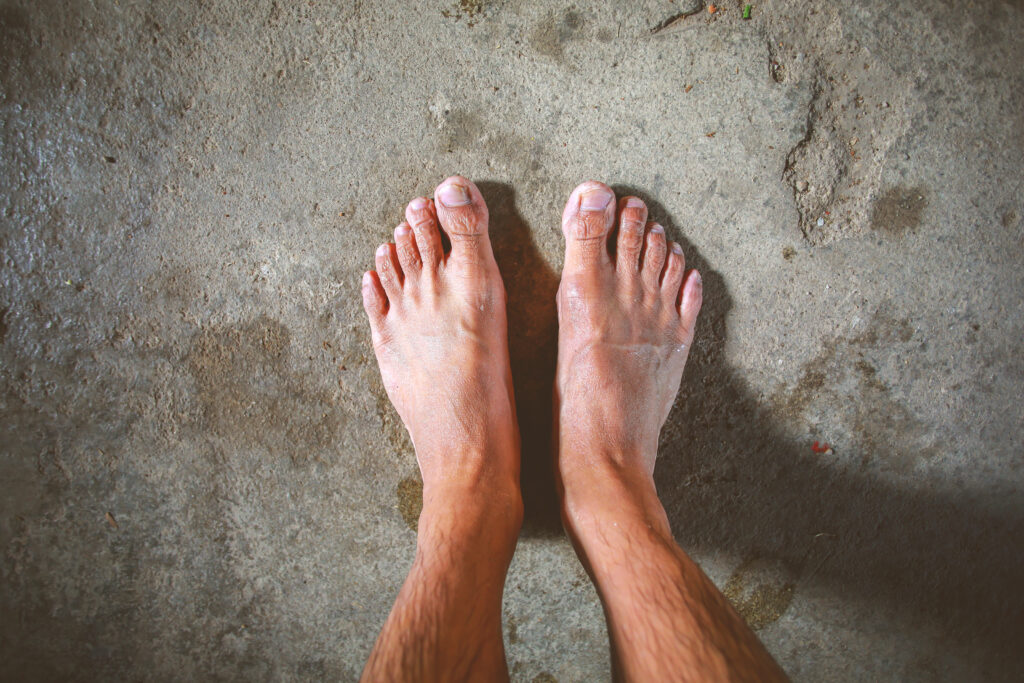
You don’t need new everything, but make sure your shoes still have life in them and you’re wearing comfy socks. Your heels and toes might not be as used to rubbing as they were before, so invest in blister proof socks for your comeback.
Give it a few weeks before judging your progress
The first run back is rarely the full story, so back the process and give yourself some slack.
Most runners notice a real shift somewhere between weeks three and four when the breathing settles, legs feel lighter and your rhythm starts to return. Momentum builds quietly, then suddenly you’re back in it.
Trail running rewards patience.
A Steady Return
The trails aren’t going anywhere. There’s no rush.
Coming back to trail running is often more enjoyable and sustainable when you take an easy-does-it approach.
Keep expectations realistic, effort honest, and give your fitness time to meet you where you are.
See you on the trails, crew.