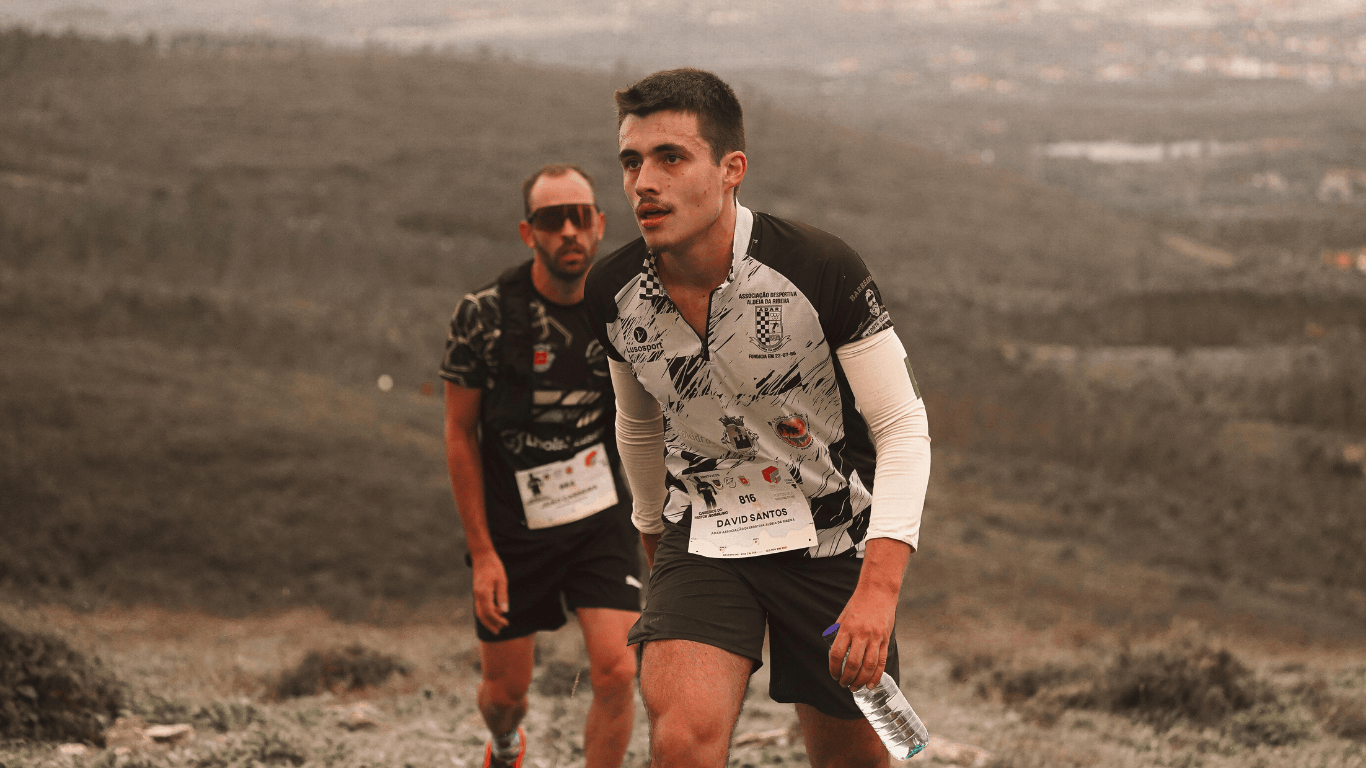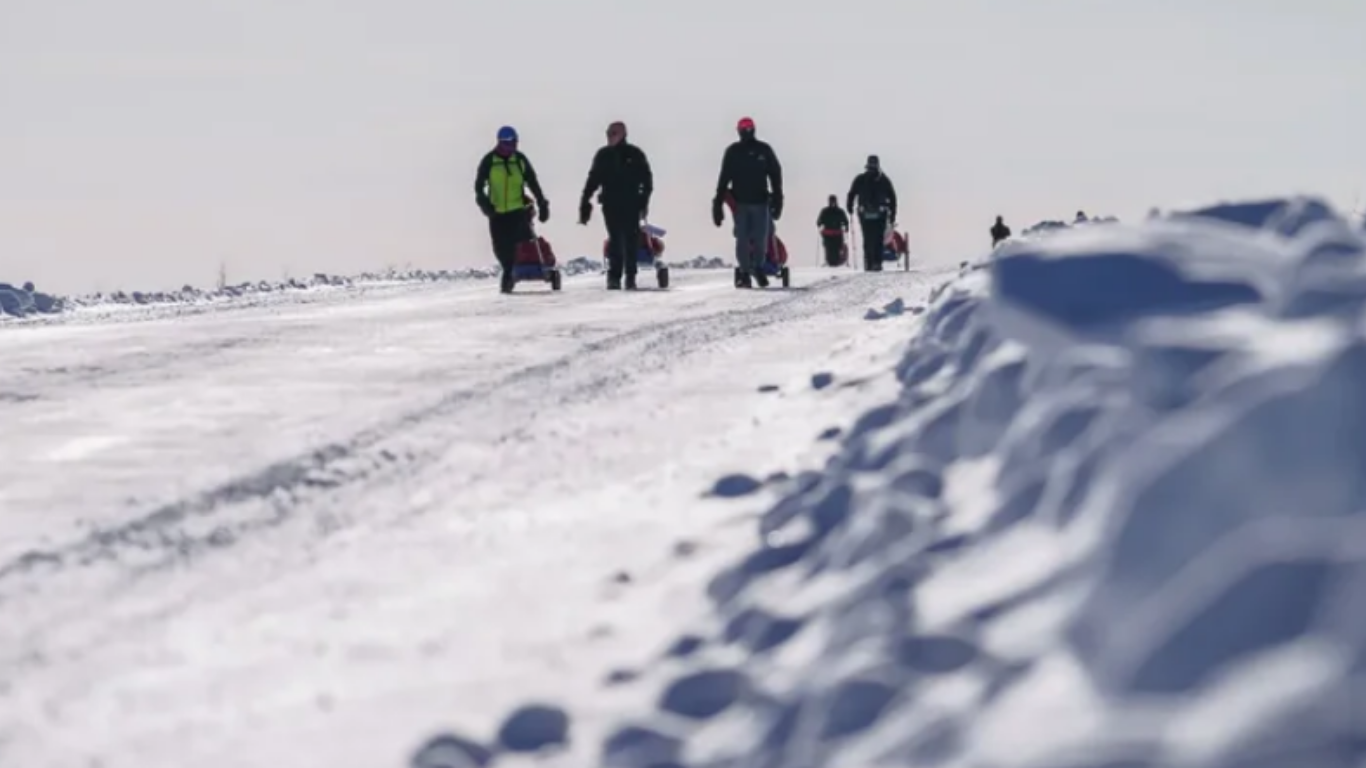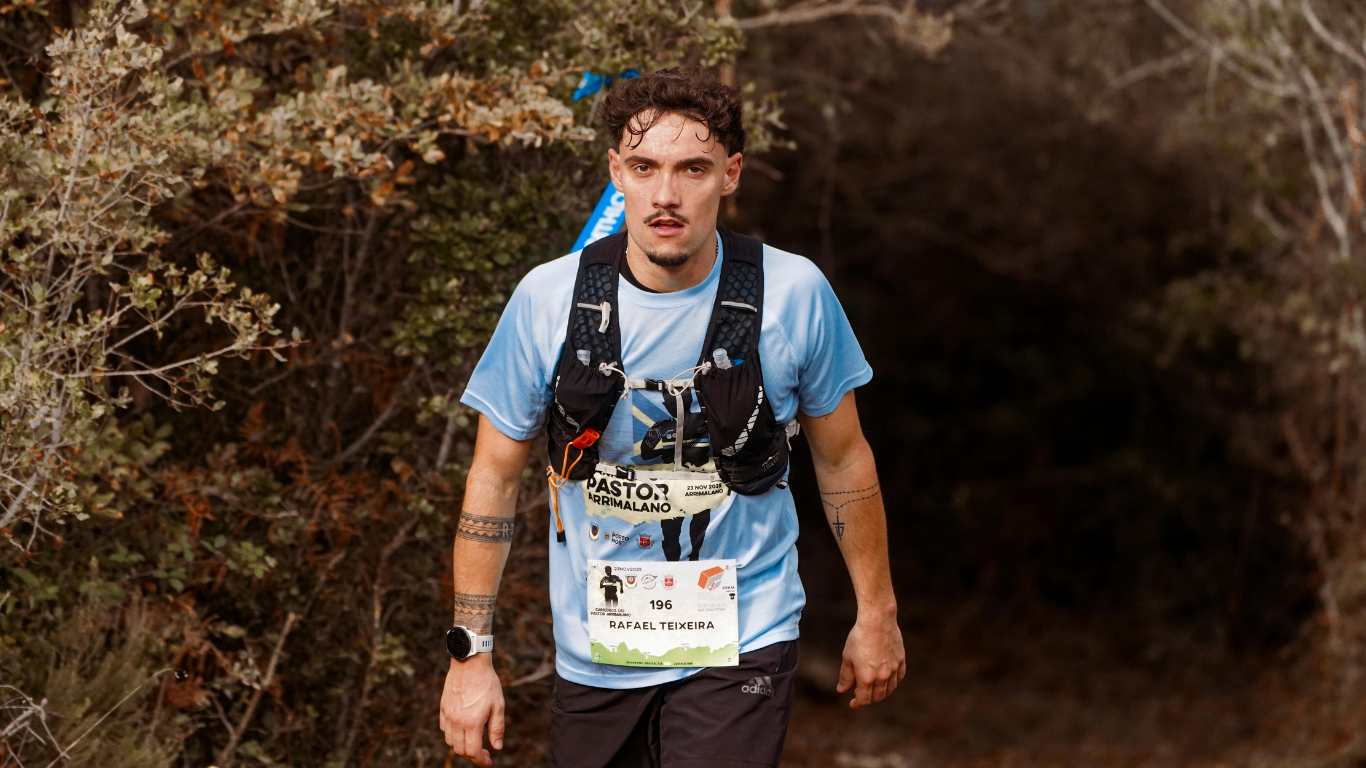
It’s not luck—you can improve your running by making a few key tweaks most people overlook.
Some environments just keep producing ridiculously good runners.
Year after year. Generation after generation.
It’s easy to look at that and assume it comes down to genetics, talent or some secret training formula the rest of us haven’t cracked yet.
But when you zoom out, a pattern starts to show.
The world’s best runners don’t just appear at random. They tend to develop in environments that quietly stack the odds in their favour—over years, not just 12 weeks leading into an event.
And the interesting part? A lot of what makes those environments so effective isn’t out of reach for the rest of us.
Running is not about talent. It’s about exposure
In the strongest running regions, running isn’t something you “get into”. It’s just… there.
It’s part of daily life and a natural way people move, socialise, compete, and spend time.
You grow up around running and see it often so you do it without overthinking it.
And that changes everything.
Because consistency stops being something you have to force and becomes the default.
You’re not trying to find motivation every second week. You’re just showing up like everyone else around you.
That kind of environment builds runners almost by accident.
Not through perfect training plans, but through repetition and frequency, making running social and fun. Through years of doing the thing.
Running culture: the quiet advantage
This is the one that gets overlooked the most.
When running is normalised, it changes how people train without them even realising it..
It’s not something elite athletes do, that’s reserved for a certain type of person.
It’s just normal.
That means:
- People start earlier
- They run more often
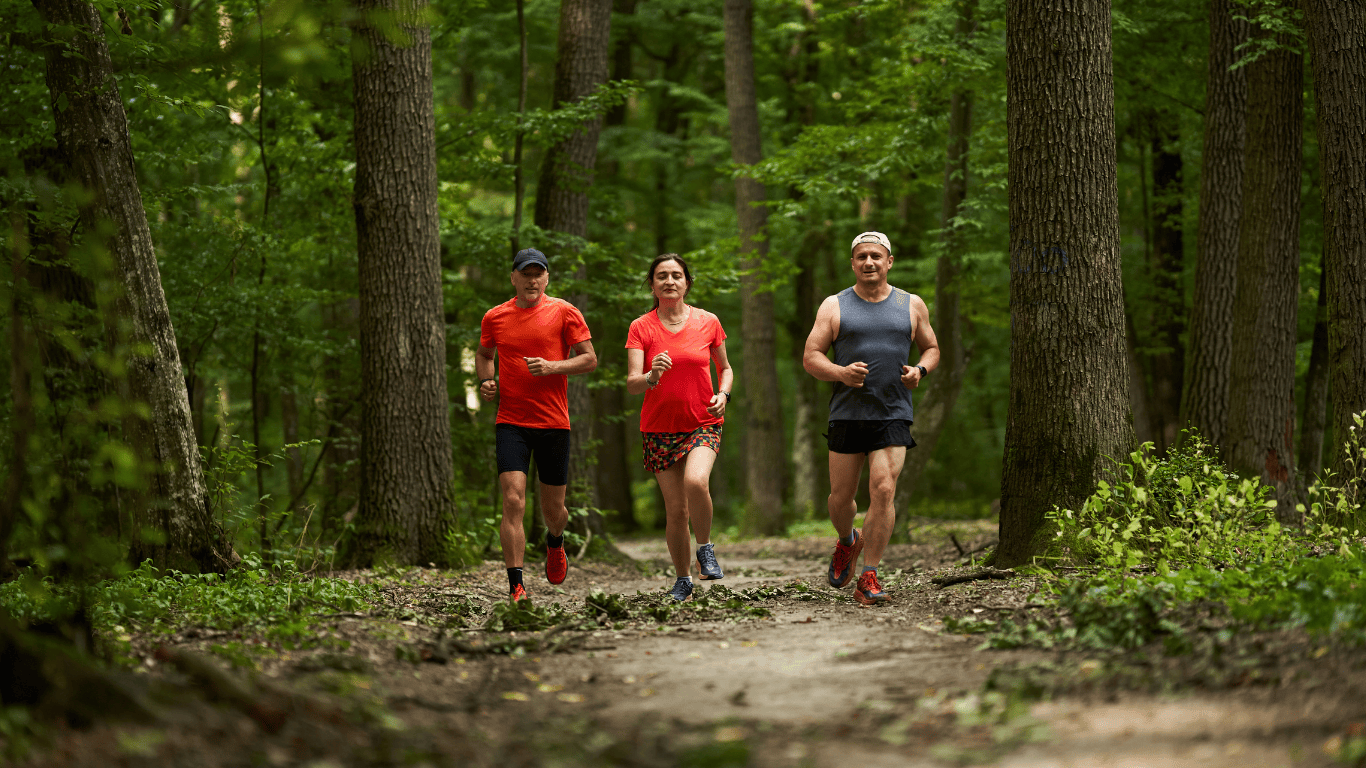
- They run with other people
- They usually have fun doing it
- They push each other without even realising it
And over time, that adds up and compounds in a way that actually builds sustainable endurance.
You don’t need a perfect session when you’ve already got ten years of consistent running behind you.
Read what happens when consistency is pushed to the extreme.
Altitude helps. But it’s not the whole story
Plenty of research backing the benefits of altitude. It’s real and it works.
Living and training at higher elevations forces the body to adapt, improving how efficiently it uses oxygen over time.
That’s why altitude camps exist. That’s why elite runners seek it out.
But altitude on its own doesn’t necessarily create great runners.
Plenty of athletes train at sea level and perform at the highest level. Plenty of runners visit altitude and don’t suddenly become world beaters.
What altitude seems to do is enhance what’s already there.
If you’ve got years of consistent running, strong habits, and a solid aerobic base, altitude can give you an extra edge.
If you don’t, it’s just thinner air.
The real difference is how it all stacks
This is where it starts to click.
It’s not genetics, culture or altitude. It’s how those things layer together over time.
If running is normal, you do more of it
If you do more of it, you build a solid base
When you build a base, training works better, your body strengthens and you get fewer injuries too
When you train consistently, small advantages compound
And if altitude is part of that environment, it amplifies everything.
Not instantly. But over time.
According to research, that’s what creates the gap people notice.
Not one magic ingredient—but a system that keeps producing strong runners because everything around them supports it.
So where does that leave the rest of us?
This is usually where people switch off.
“I didn’t grow up in a strong running culture.”
“I don’t live at altitude.”
“Different environment, different outcome.”
Fair. But also a bit of a cop-out. Because while you can’t control where you grew up, you can control a lot of what actually matters.
You can:
- Run more consistently
- Run with other people
- Make it part of your routine instead of something you squeeze in
- Stack weeks, months, years—not just occasional big sessions
You can build your own version of a running environment.
Maybe it’s not perfect. But it doesn’t need to be.
The takeaway
The best runners in the world aren’t just talented.
They’ve usually spent years in environments that make running easier to stick to—and harder to avoid.
That’s the difference.
Not where they are on the map. But what their day-to-day looks like.
And while you might not be able to replicate the exact conditions, you can get surprisingly close to the parts that matter.
Find your people.
Run often.
Keep showing up.
The rest tends to take care of itself.
Sources & further reading
- Onywera, V. et al. (2017). “Demographic characteristics of elite Kenyan endurance runners”
- Wilber, R. & Pitsiladis, Y. (2019). “East African runners: a review of environmental and physiological factors”
- Lundby, C. et al. (2021). “Altitude training and its effects on performance in elite athletes”
- Nielsen, R. O. et al. (2017). “Training load and injury risk in runners: the role of consistency and progression”
- Carron, A. V. et al. (2018). “Group dynamics in sport and physical activity”
More stories like this are uploaded every week so keep an eye on our website. Or if you prefer print, subscribe to Trail Run Magazine now and never miss an edition.