Trail Running Terms Explained: An A–Z Guide for Beginners
Common trail running terms to have you talking like a local in no time (This story originally featured in Trail Run Magazine #52)
Words: Ash Daniels, updated for web
What are trail running terms?
Trail running has its own language—and if you’re new to the sport, it can feel like everyone else is speaking it fluently.
From “vert” to “bonk”, these terms get thrown around casually and can leave newer runners wondering what’s going on.
Here’s a simple A–Z glossary of common trail running terms—and how they show up in your training and racing.
With trail running priding itself on inclusivity, let’s get you up to speed on the more common terms you will hear when you are next out on some ‘Single Trail.’ Additionally, we’ll talk about how this new dialect can be incorporated into your training. Because understanding the language is one thing—applying it through things like strength training and simple drills is where the real gains happen.
By the end, you’ll be speaking trail.
Common trail running terms explained
Aid Station/Checkpoint: To ensure you have enough support, aid stations will be situated at various distances on the racecourse. These are an opportunity to stock up on your hydration (water) and nutrition (food). If you have a support crew this will be a chance to meet up with them. Spend enough time to get what you need—but not so long you don’t want to leave again.
Bladder: Not what you think. A bladder in trail running is a hydration system used to carry water. Due to the distances, and remoteness of trail events, you will carry your supplies of water and food.
Bonk: To bonk or hit the wall. During the middle of a race, if you run out of energy and become heavily fatigued you have bonked. This is normally due to not getting enough calories through eating in the preceding hours. Slow down and get some food onboard.
Cut-offs: The latest time you are allowed to leave an aid station. If you miss the cut-off, you will have arrived too late or not left the aid station in time. Ensure you know any course cut-off times and train appropriately to avoid them.
Crew: Your support crew, generally friends and family who meet you at the aid stations and help with all your needs. This can be anything from topping up your bladder to helping change your socks. It’s an unforgiving role and can be the key to a successful trail race.

Drop Bags: If you don’t have a support crew, aid stations will have a drop bag system. It’s a bag with your supplies, nutrition, spare clothing and additional shoes. What goes in them is very much a personal thing. Don’t forget items to help with morale.
DNF: Did Not Finish, when your race has not gone to plan, and you must withdraw or retire from the event. DNFs can also happen if you miss the cut-off for a checkpoint.
DNS: Did Not Start, you signed up for the race and chose not to run it without withdrawing before the start.
Elevation/Vert: The total amount of climbing and descending in a race. Generally measured in metres and can be shown as a + or – meaning the amount of climbing and descending of the course. You will hear questions like “How much vert does the course have?” The more vert, the hillier the event.
Fuelling: Nutrition and hydration, a key part of trail running. Nutrition is what you eat and drink when out on the trails or racing. Nutrition can vary from liquids, with the energy source dissolved in water, through to gels and solids, like sandwiches. The key point is whatever you use on race day, you practise with and get used to in training.
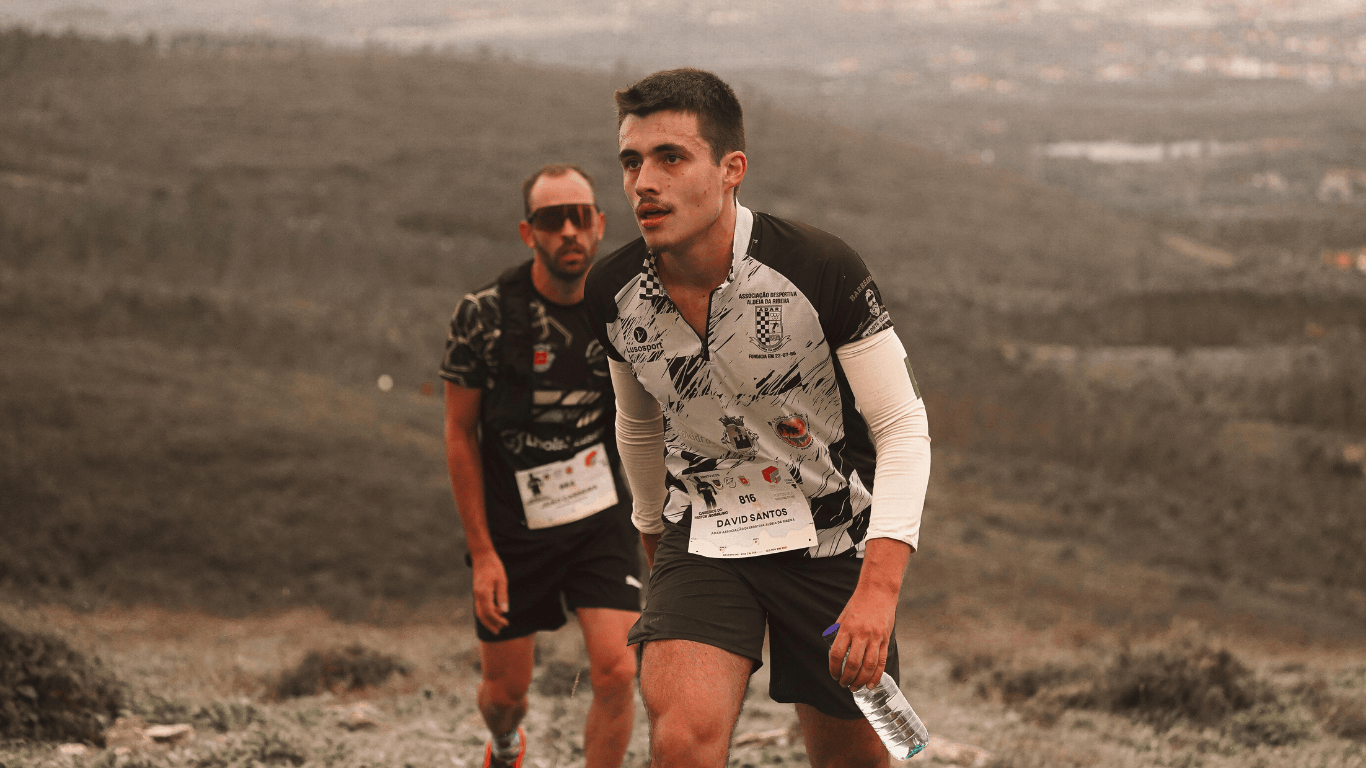
Hiking: Trail races will include some steeper vert (see above). Very few of us can run the whole course. When it gets too steep, switch to walking, or hiking as we call it on the trails.
Hill Reps (Repeats): Running hills as part of your training has numerous benefits, from strengthening muscles to specifically preparing for the vert of a race. Don’t neglect the downhill aspect by practicing descending in a controlled way. Running hills builds strength, but it’s only part of the picture. A structured strength training for runners routine will help you develop the power and durability to handle both climbs and descents more efficiently.
Long Run: Typically much longer than your normal daily runs. Use long runs to build resilience to the demands of the race by gradually increasing their length. Use the long run to check your mandatory kit, practise using poles, hiking, testing hydration and nutrition plans, in advance of race day.
Mandatory Kit: Some races may have a list of mandatory equipment. This is the minimum amount of kit you will need to start the race. From several weeks out you should be running your long runs with all your mandatory kit.
Poles: Trekking or running poles can be a great addition and help with the climbing and descending of all the vert. Practice with them so you know how to use them on race day.
Runnable: If you can run it, it’s runnable. Your trail running skills and fitness level will change if a section of trail is runnable. Something you might find runnable might not be for another runner. What’s “runnable” often comes down to your strength and coordination. Simple drills like the 100-up drill can help improve your running mechanics and make more terrain feel runnable over time.
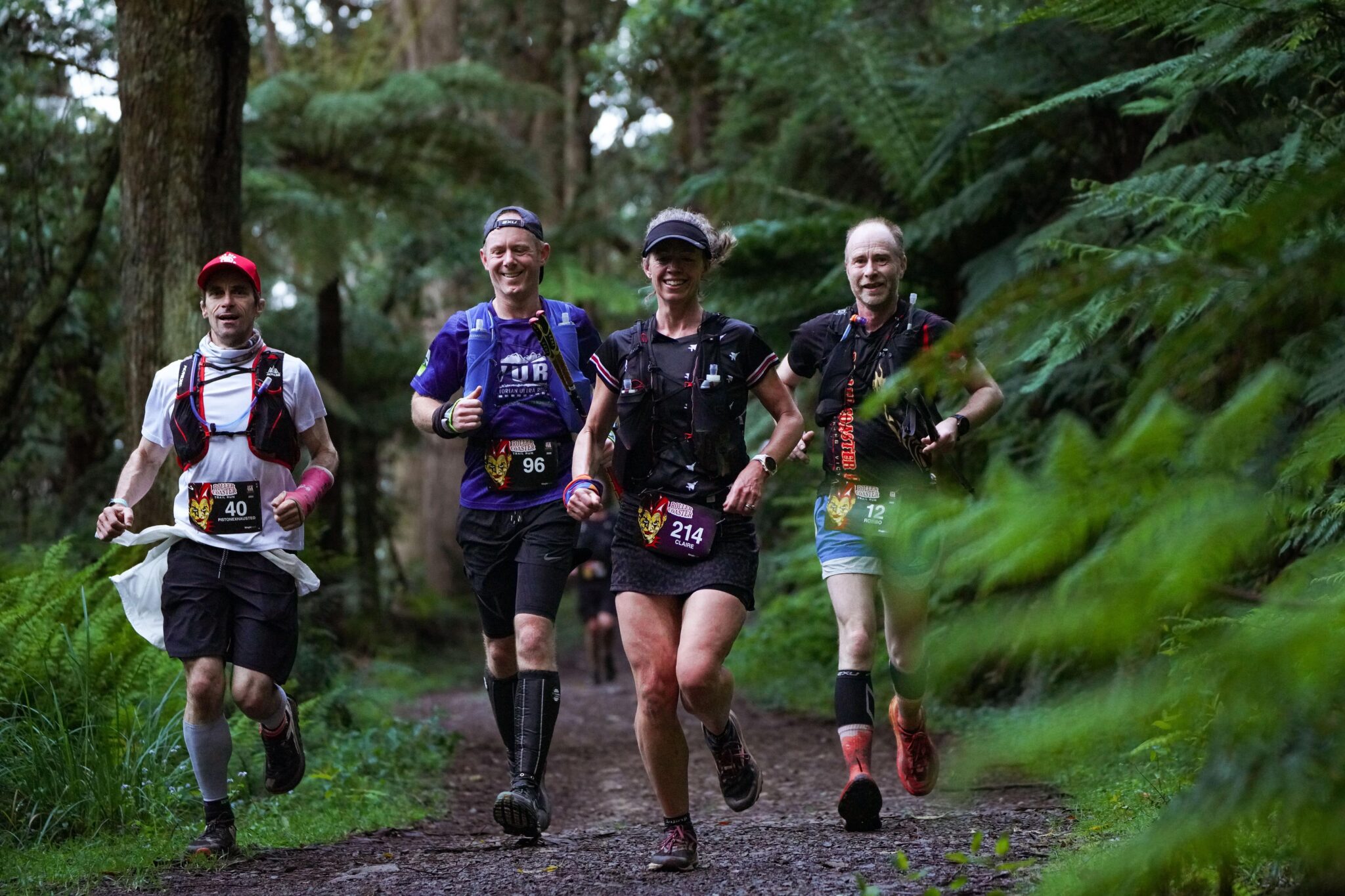
Singletrack: A trail wide enough for only one runner, with limited areas to pass if in a race. If you want to pass another runner on a single trail, shout out ‘Passing right!’ and they will move to the side and let you pass.
Technical Trail: More challenging trail. There are more rocks, tree roots, steeper climbs, descents and other obstacles. It’s what makes our sport fun! Train on technical terrain to be quicker at traversing it.
Tapering: Just before a race you will start tapering; this is a reduction in your training load that allows your mind and body to refresh and fully recover in preparation for the demands of your race. Keep some intensity but gradually lower the amount of running a week or two before your race.
How to use these trail running terms
Understanding trail running terminology isn’t just about sounding the part—it helps you train smarter, race better and communicate with other runners.
The more time you spend on the trails, the more natural these terms will become.
Now that you know the language, you’re better equipped to train, race and enjoy everything trail running has to offer.
So—what’s stopping you from hitting the trails?