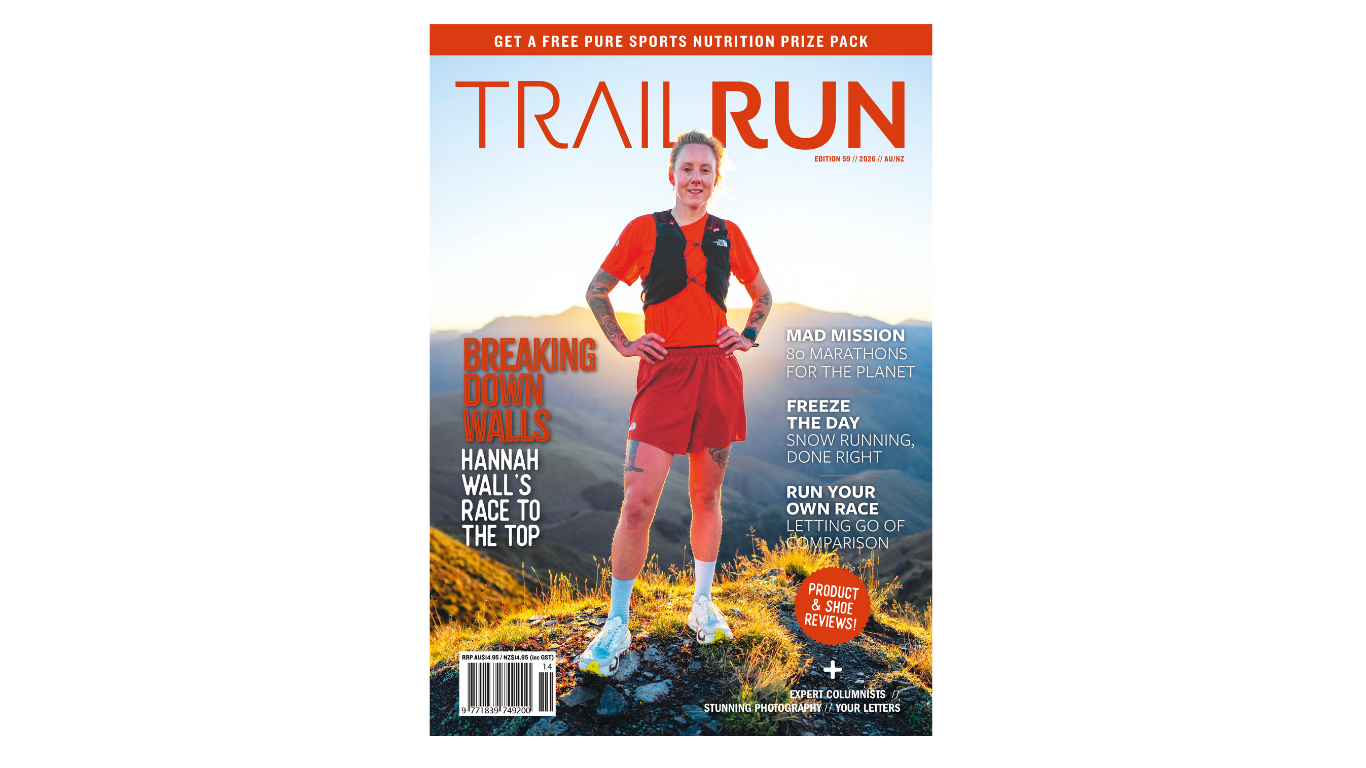
FIRST LOOK: Mega Trail Shoe Group Test
We’ve got 12 different trail shoe delivered for our biggest group test yet – here’s what we are testing.
Not that long ago, trail running shoes offered roughly similar levels of cushioning, grip and protection and runners could happily own one pair and use it for everything dirt related.
That’s no longer the case.
Today’s trail running shoes are becoming increasingly specialised. Some are built specifically for racing, some for technical terrain, some for all-day comfort and some blur the lines between categories entirely. Not to mention the hybrids. Choosing the right shoe is less about finding the ‘best’ shoe and more about finding the one that suits your running, physiology and preferences underfoot.
The decision is more nuanced than ever before.
That’s the thinking behind Trail Run Magazine’s latest group test. We’ve brought together 12 trail running shoes to explore how each model excels, where the compromises are and, ultimately, who it suits best.
Here are the main things we are assessing each shoe on:
Features
Sometimes it’s the individual details that make a difference to your ride. A well-designed lacing system, a well placed rock plate, aggressive lugs that bite when the trail turns loose or uppers that keep your feet cool. We’ll be paying attention to the details and considering whether the features on offer add real value or simply look good on paper.
Fit and comfort
A shoe can have all the latest tech and features, but as we all know, if it doesn’t fit well you can end up with blisters, bruised toenails and very unhappy feet. We’ll be assessing comfort, how securely each shoe holds the foot and overall fit across a range of terrain and distances. We’ll also include whether shoes are likely to suit runners wanting a roomier fit, a more secure hold or something in between.
Ride feel, cushioning and responsiveness
Not all cushioning is created equal. Some shoes are designed to soak up the knocks of the trail with deep shock absorption and plush comfort, while others deliver a firmer, more energetic ride that lets you feel more of what’s happening beneath your feet. We’ll be assessing how each shoe feels underfoot, how smoothly it transitions from footstrike to toe-off, whether it encourages an efficient stride and how much responsiveness it offers when it’s time to change pace.
Grip and traction
As every trail runner knows, no two trails are ever quite the same. We’ll be testing how each outsole performs on a variety of loose, rocky, crumbly and technical terrain (and muddy where possible). To keep comparisons as fair as possible, each shoe will be tested over the same sections of trail and in similar conditions.
Stability and protection
Feeling confident in your shoe matters more then ever when the trail gets rough. So we’ll assess how stable each shoe feels on uneven ground and how well it protects the foot from rocks, roots and anything else on the trail.
Build quality and durability
A trail shoe is an investment, and durability matters. We’ll be monitoring build quality, materials and signs of wear throughout the testing period.
Terrain suitability
We’ll identify where each model performs best, who it’s likely to suit and whether it’s a specialist or true all-rounder.
Value
Price won’t determine our rankings, but value for money will form part of the overall picture.
Shoes we’re testing
Testing is underway. The shoes below introduce the field, with final assessments to be published in Issue 60 following extensive testing across a range of terrain and distances.
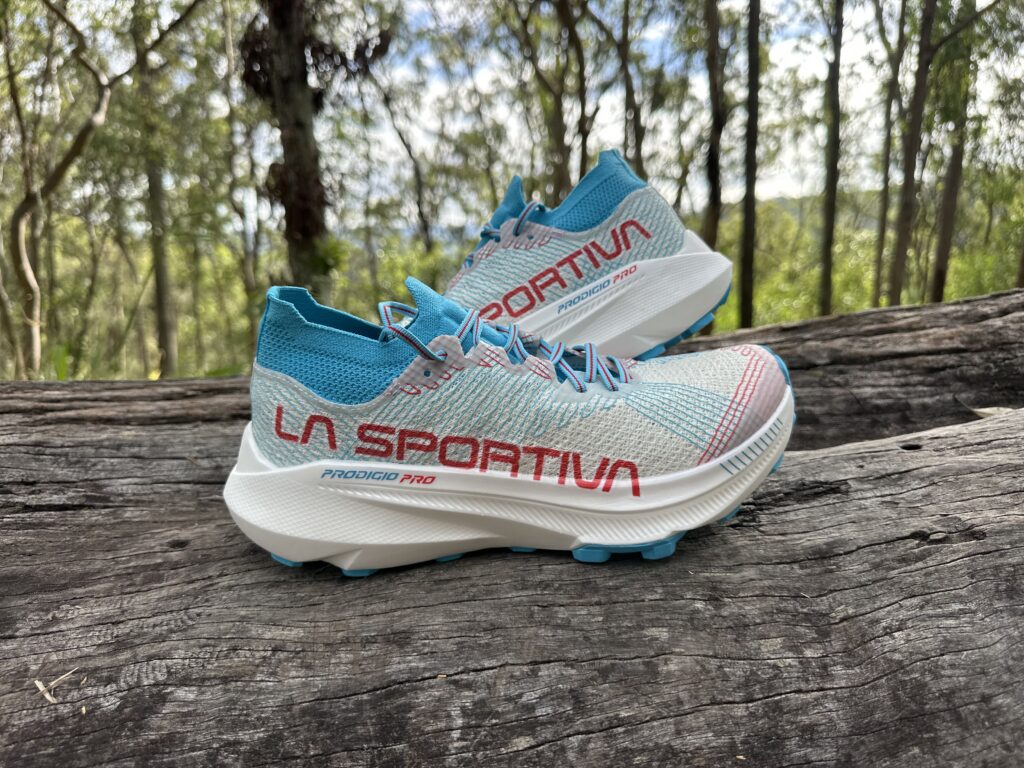
La Sportiva Prodigio Pro
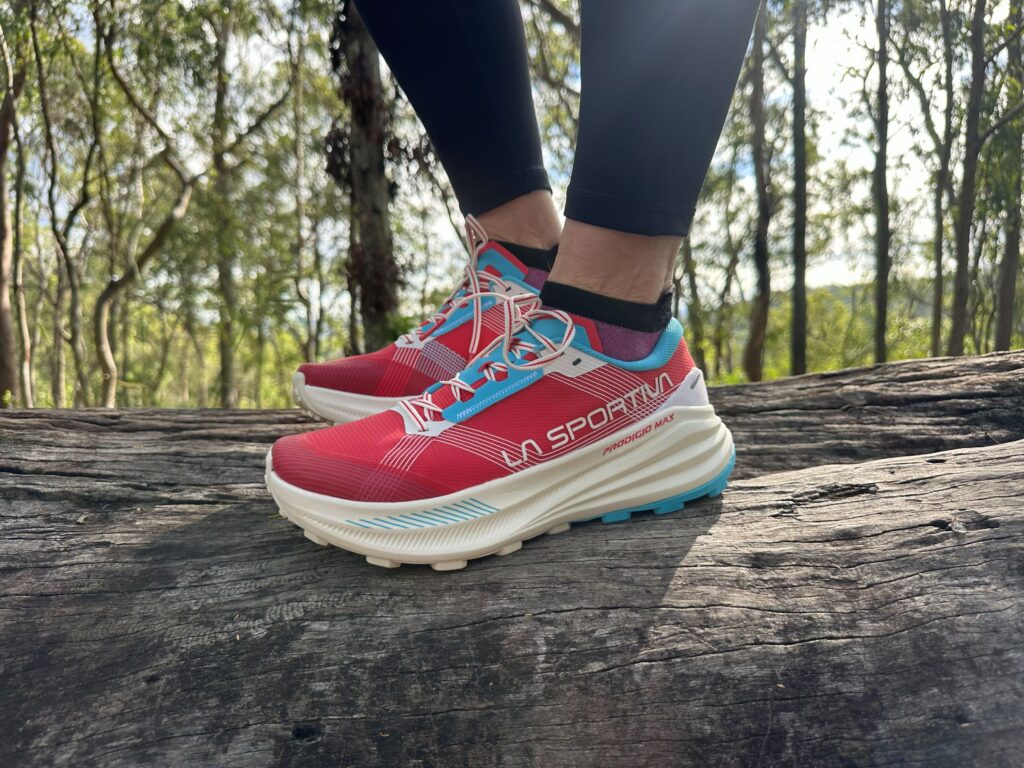
La Sportiva Prodigio Max
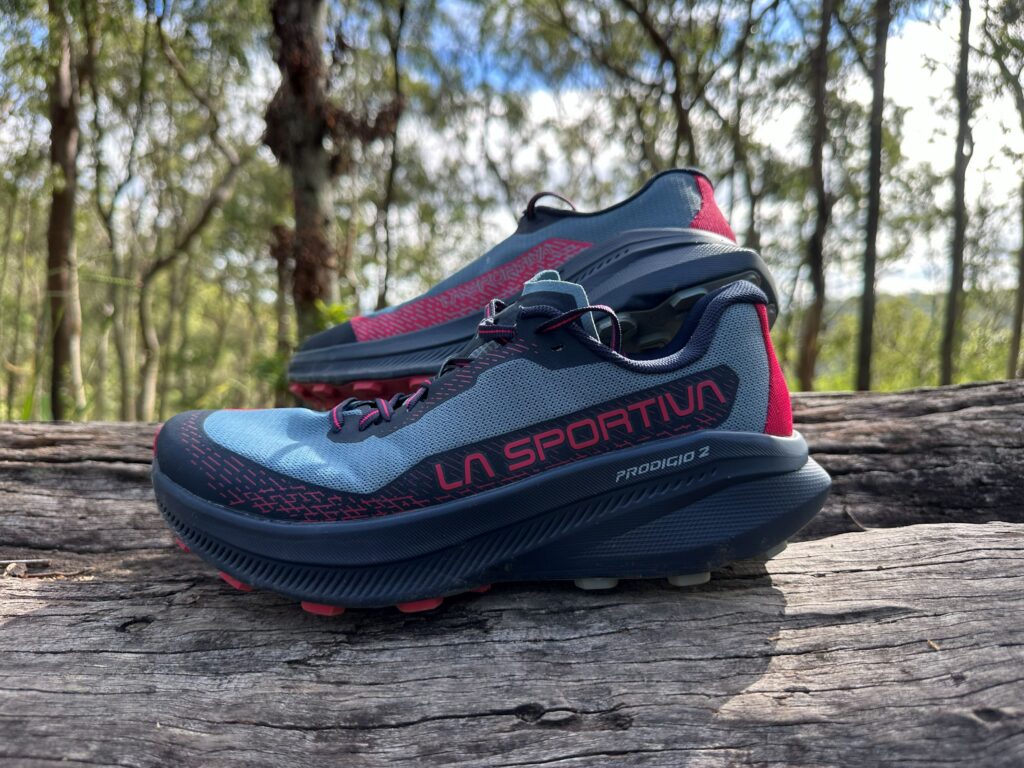
La Sportiva Prodigio 2
The North Face Vectiv Enduris 4
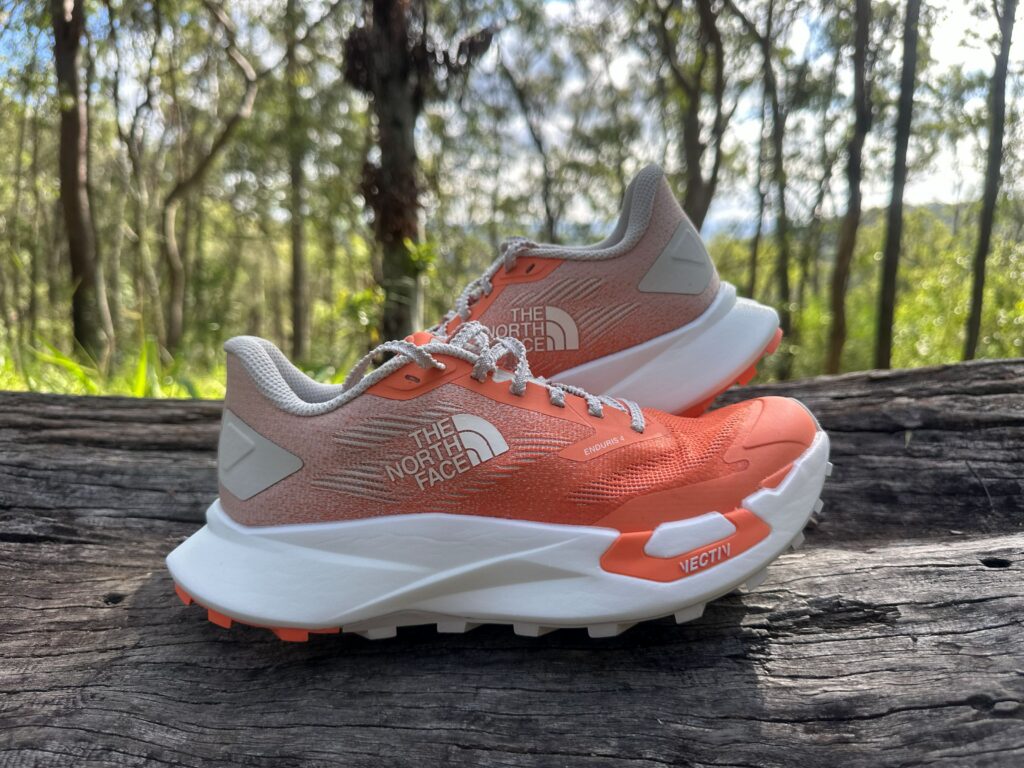
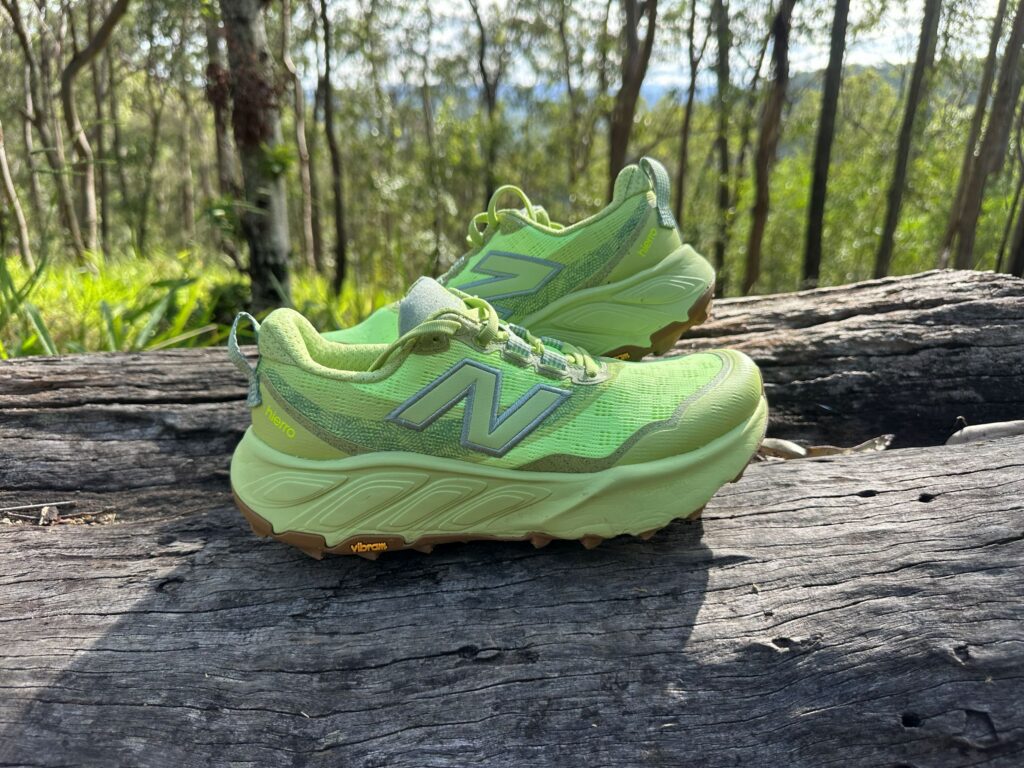
New Balance Fresh Foam X Hierro v9
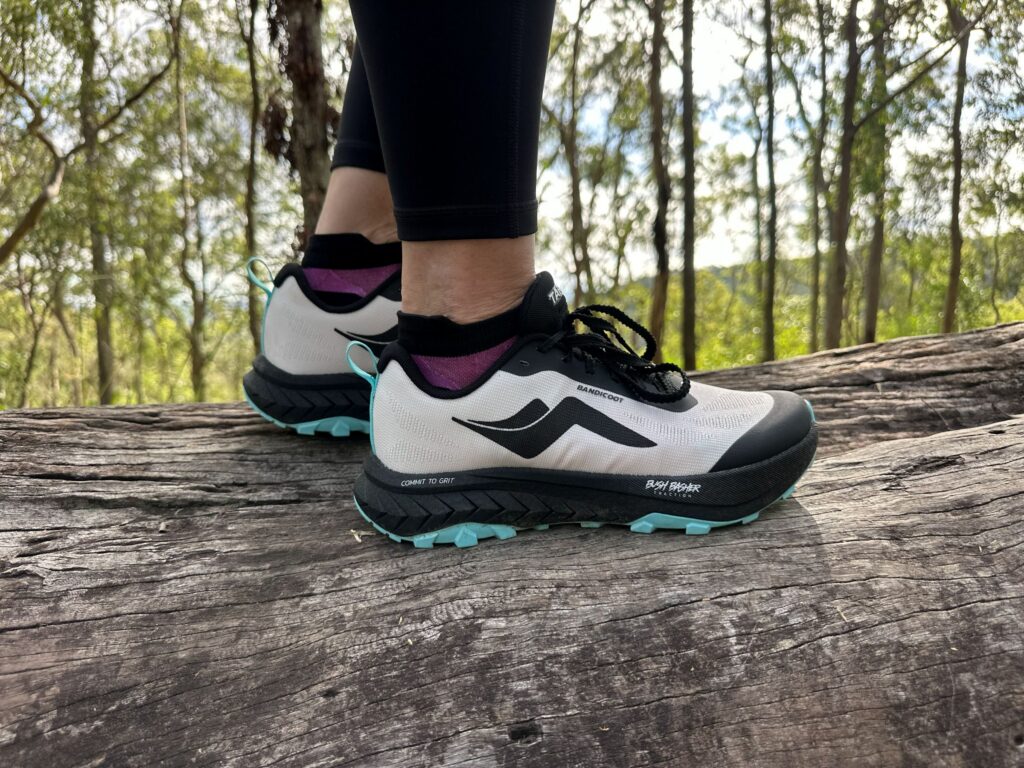
Tarkine Bandicoot
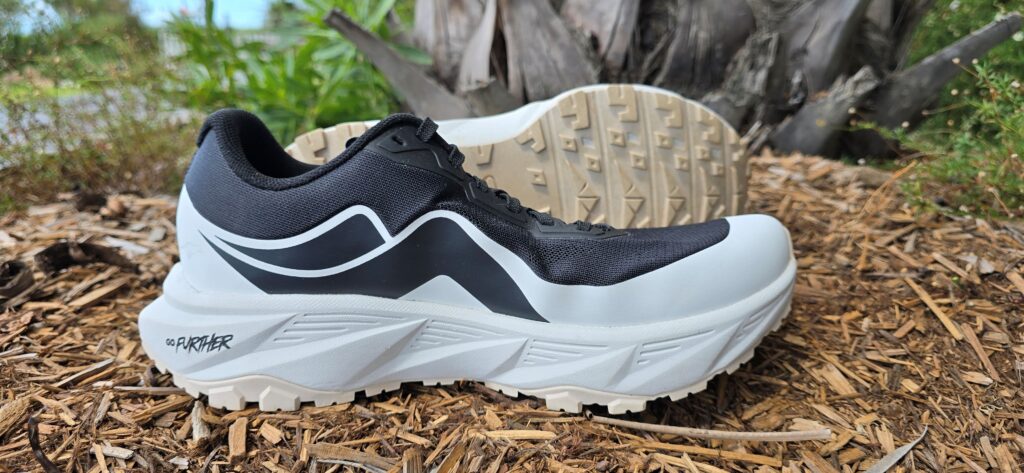
Tarkine Giant
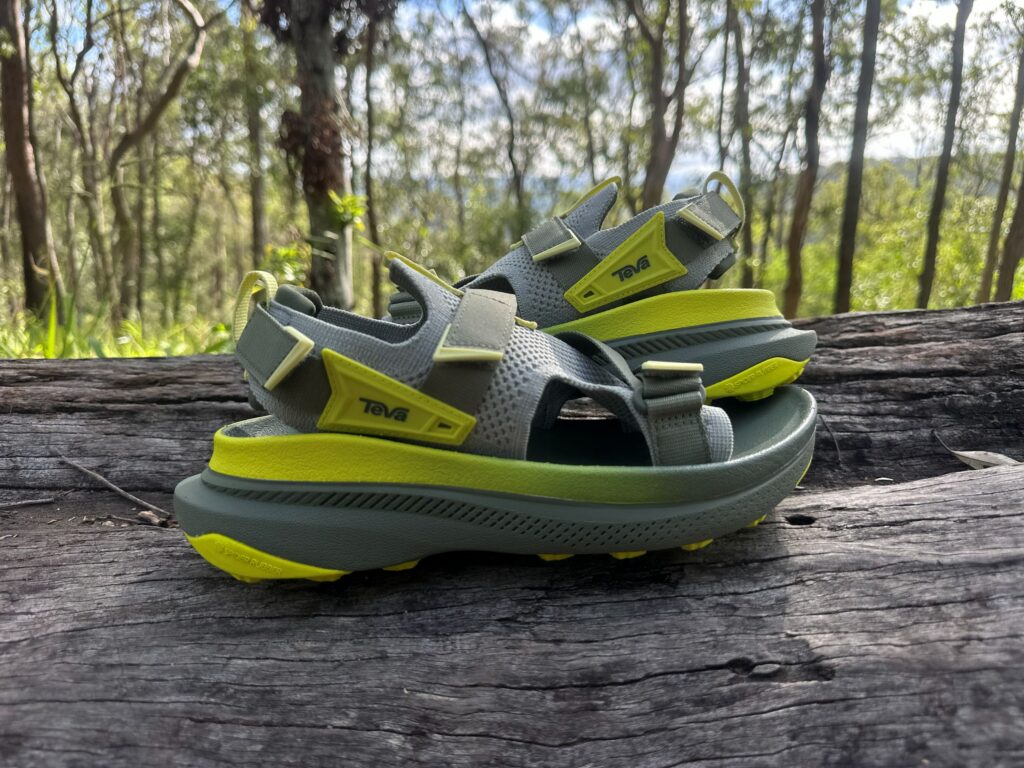
Teva Aventrail (sandal)
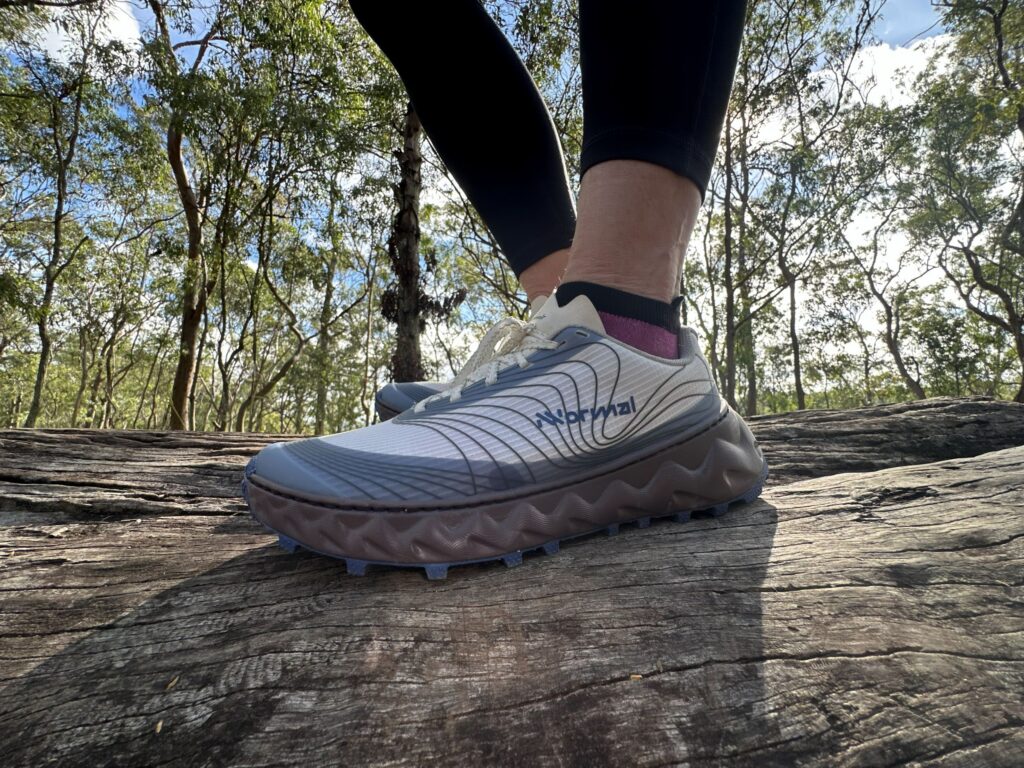
Nnormal Cadi
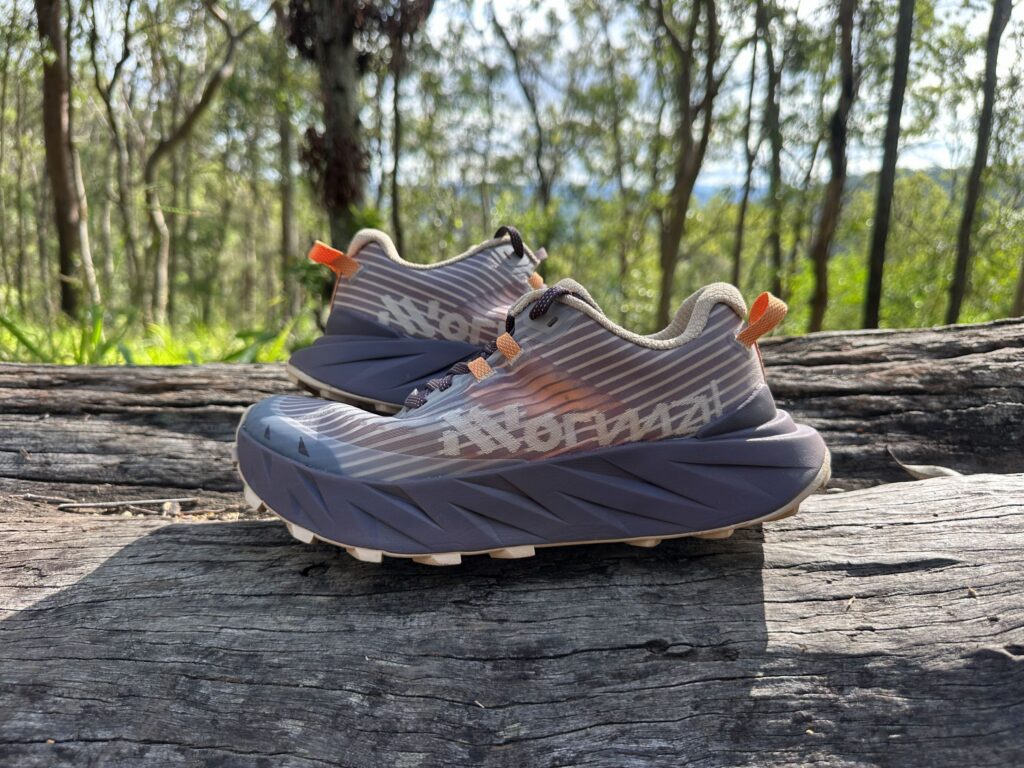
Nnormal Kjerag 2.0
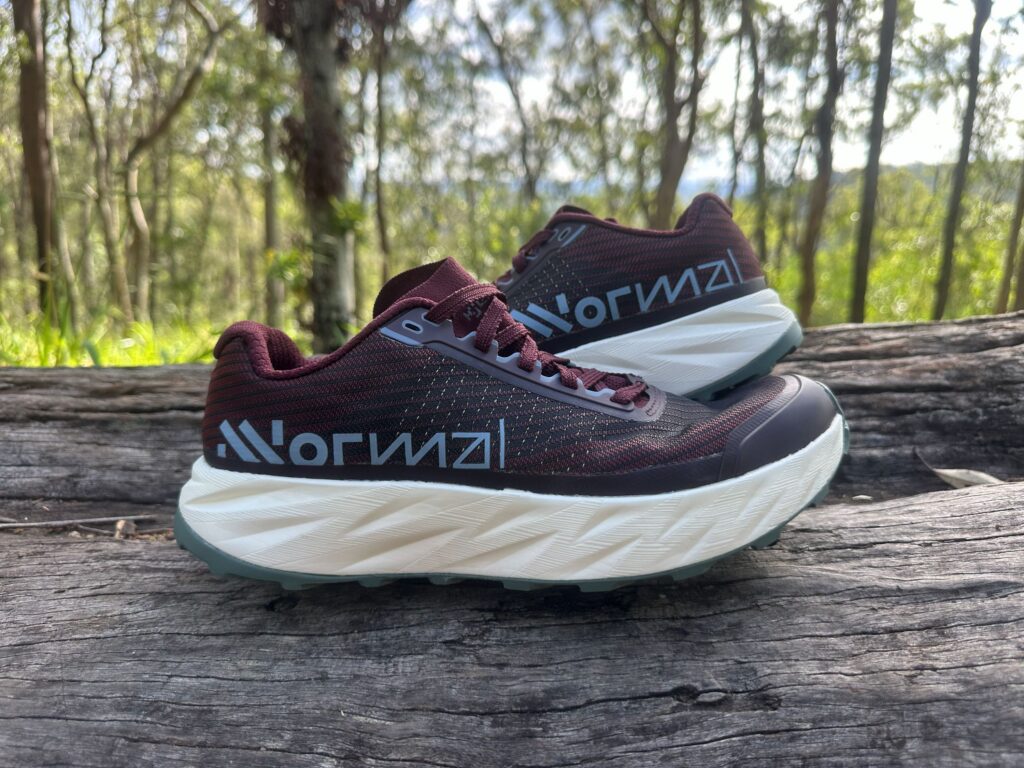
Nnormal Tomir 2.0