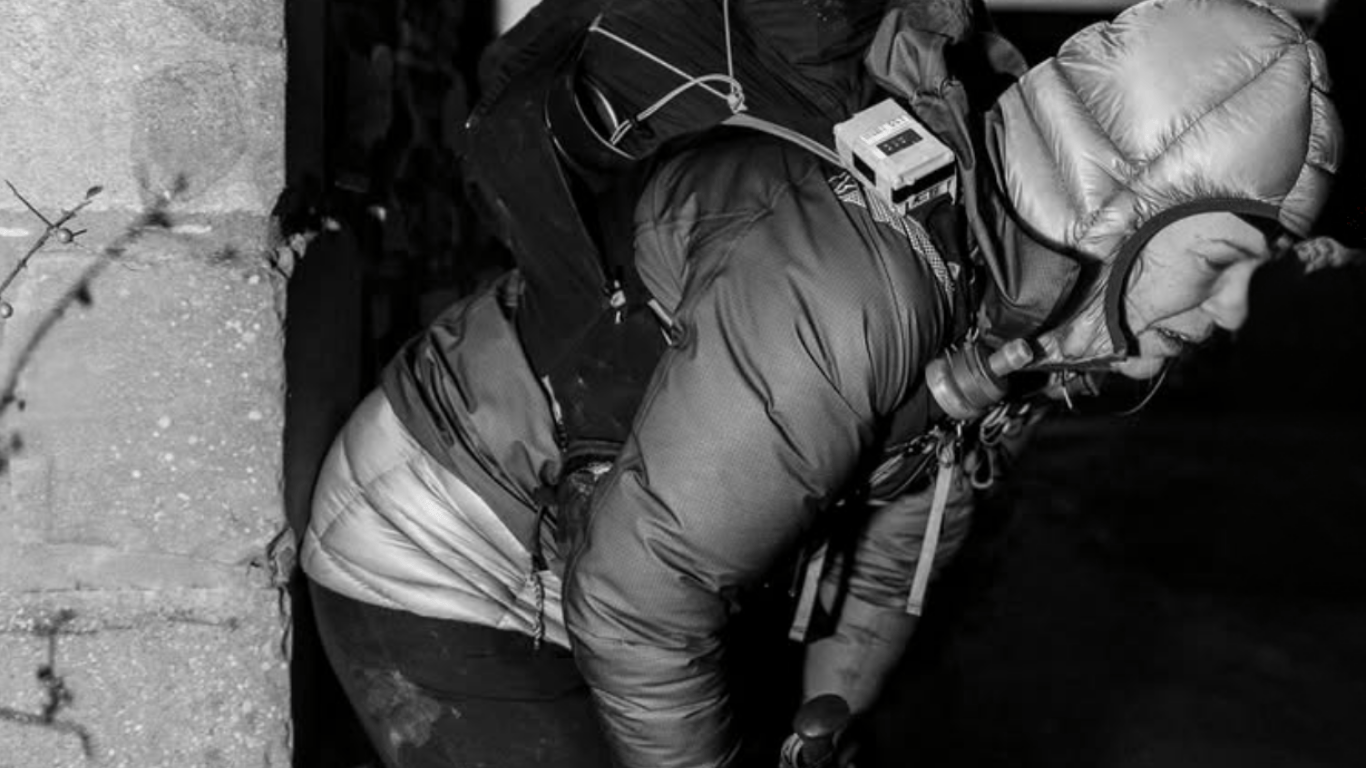
When it comes to ultrarunning, few events command the same mix of respect, fear and awe as the Montane Winter Spine Race. The Spine is a full-winter crossing of England’s iconic Pennine Way. That’s 268 miles (431km) of rugged trail, relentless climbing, savage weather, and near-total sleep deprivation. This really is Britain’s most brutal endurance challenge.
But this year, Kiwi ultrarunner Sophie Grant didn’t just survive it — she claimed third place (female) and 9th overall, delivering one of the standout performances of the 2026 race.
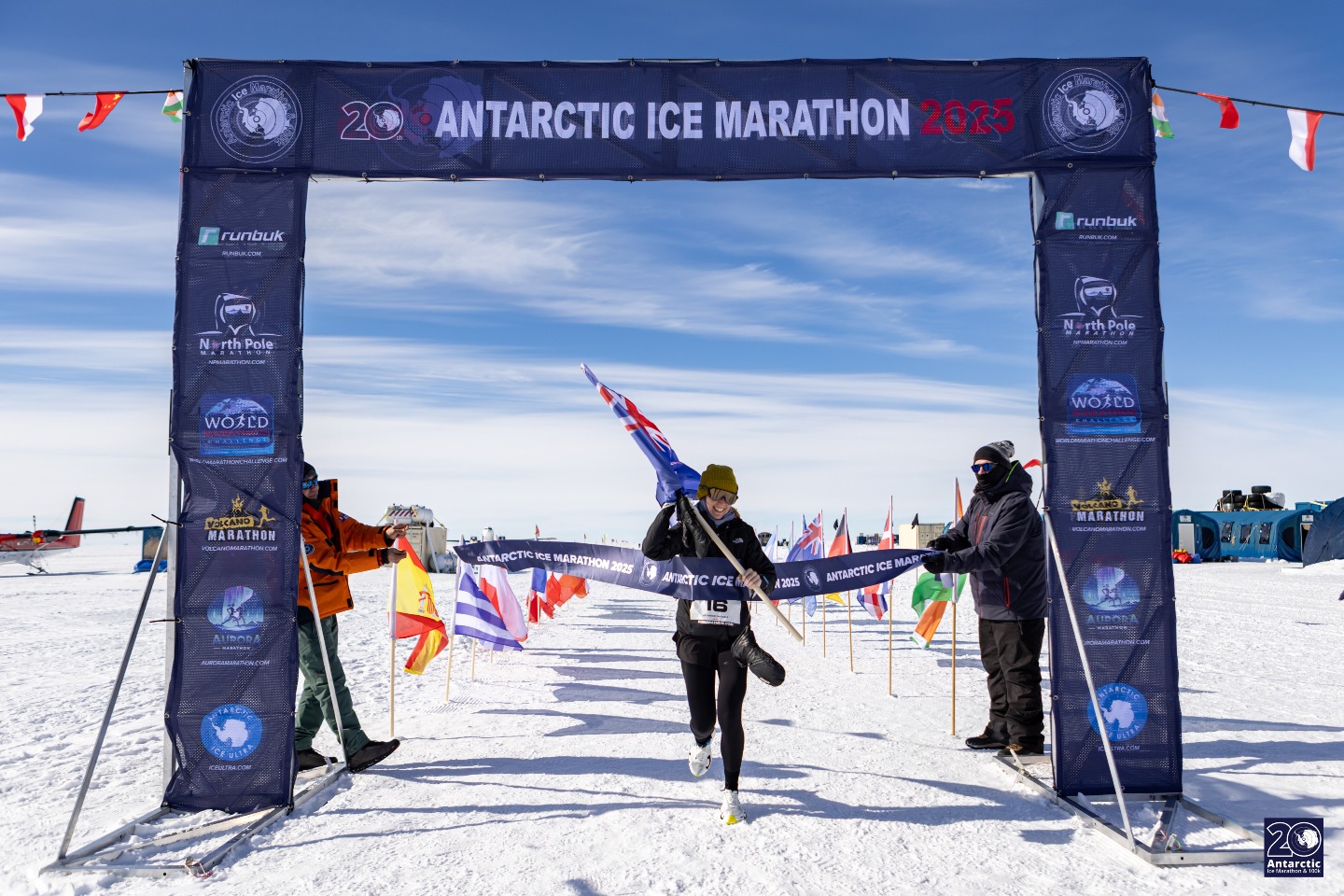
Event organises allow 7 days to finish, with most top runners finishing in 3 to 5 days. Grant crossed the finish line in an incredible 117 hours and 32 minutes. She battled freezing temperatures, snow, wind, darkness and exhaustion. But her effort gained her a step on the women’s podium in her first-ever Winter Spine. In a field stacked with some of the toughest endurance athletes in the world, her result was nothing short of phenomenal.
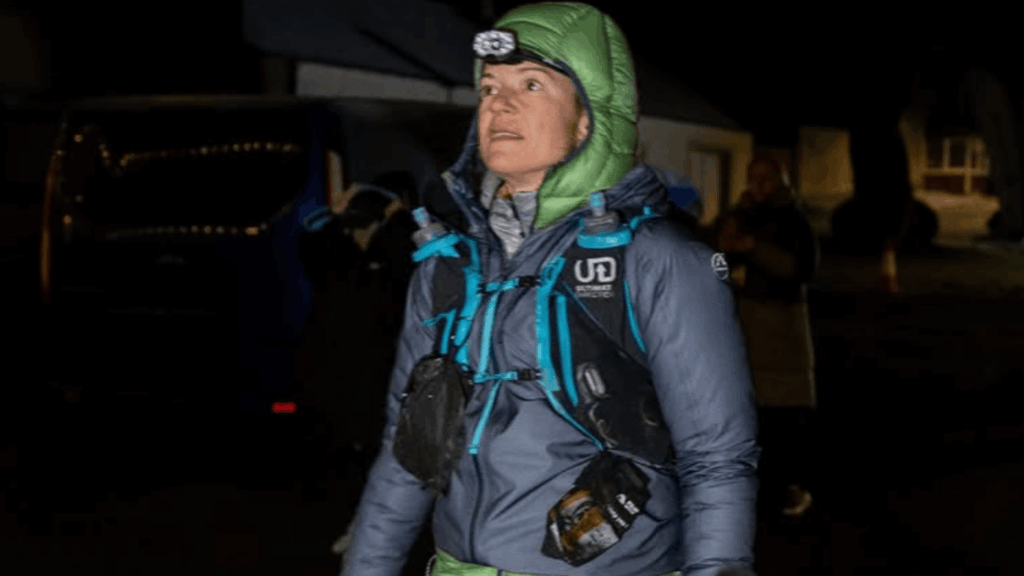
The Race That Breaks People
To understand the scale of Sophie’s achievement, you need to understand the Spine.
The Montane Winter Spine Race is not like any other ultra marathon. It tests runner’s will to keep going to the max. It follows the full length of the Pennine Way, running north to south from Kirk Yetholm in Scotland to Edale in England’s Peak District in the middle of the UK winter. It’s unpredictable, extreme and runners face often life threatening conditions, including:
- Over 10,000 metres of treacherous climbing
- Deep snow, ice and gale-force winds
- Sub-zero overnight temperatures
- Long, remote stretches with minimal shelter
- Severe sleep deprivation
- Strict safety requirements and kit checks
This isn’t a race you simply “run”. It’s a full-scale expedition to survive, where navigation, survival skills, resilience and mental grit are critical and they matter just as much as fitness.
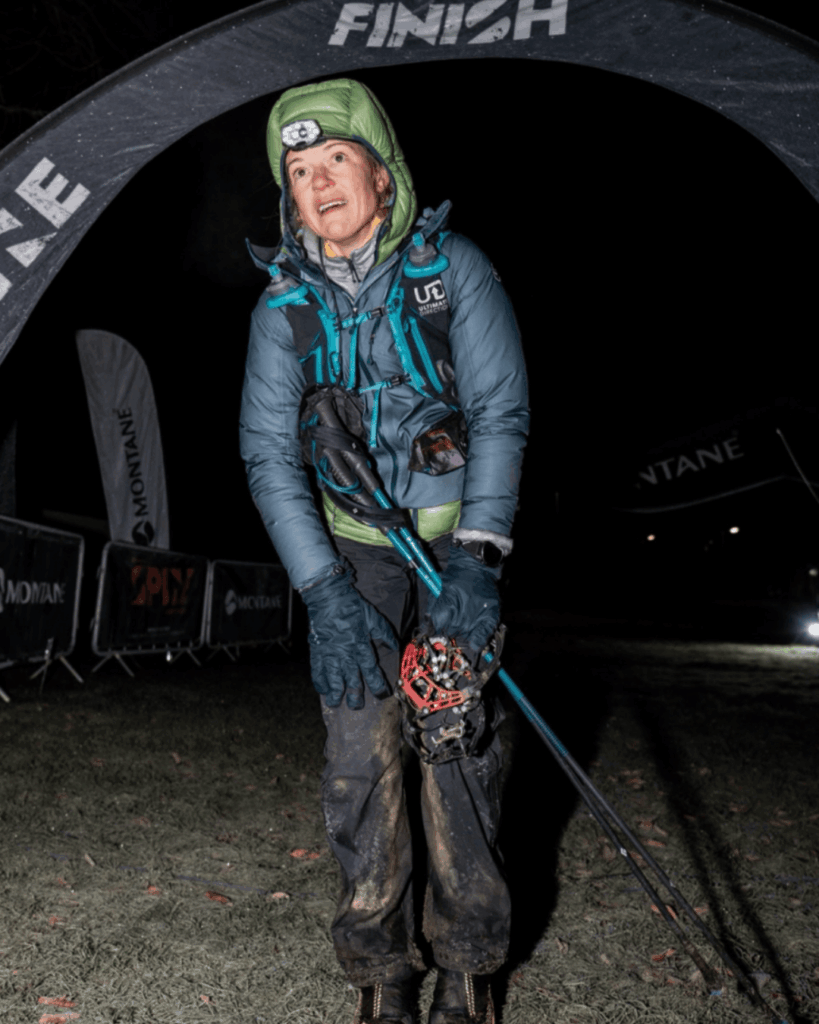
Finish rates are notoriously low. Many elite ultrarunners who’ve started the Spine fail to complete it.
Which makes Sophie Grant’s third-place female finish in her maiden Winter Spine completely remarkable.
A World-Class Performance on the Global Stage
Grant arrived at the start line with strong credentials, having built a reputation across Europe for consistency, durability and toughness in long-distance mountain races. But the Winter Spine is a different beast altogether and even seasoned veterans treat their first attempt with caution.
From early in the race, Grant positioned herself among the front of the women’s field, running smart, managing the conditions, and maintaining relentless forward progress through multiple days and nights on the trail.
Spine Race photographer Rich Gill, who followed Sophie’s progress across multiple sections of the course, said her mental strength left a lasting impression.
“One thing stayed with me from her entire journey — her constant positivity, optimism, and relentless drive to push forward.”
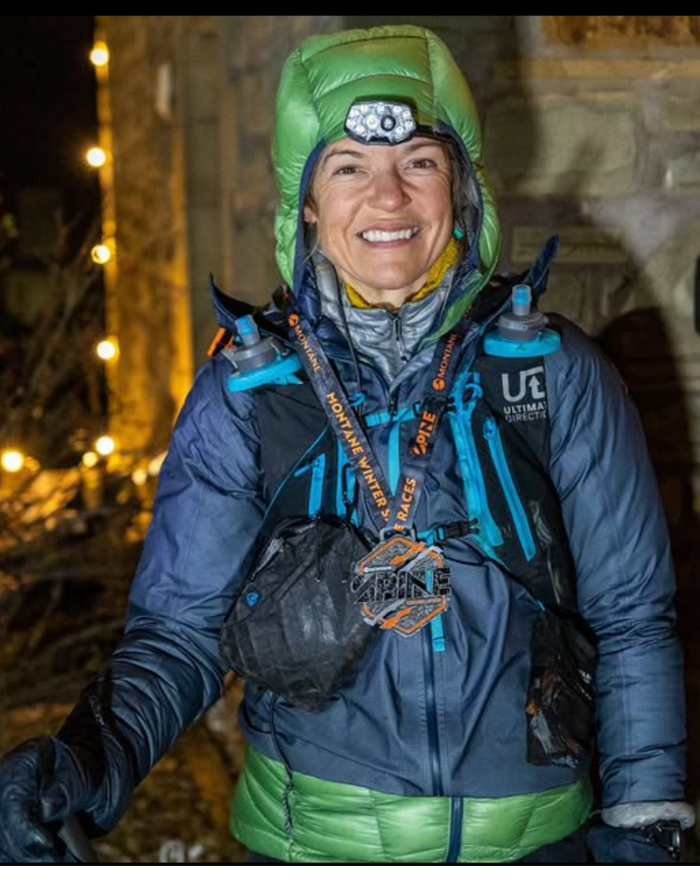
As the kilometres stacked up, so did the pressure. With fatigue deepening and the weather worsening, she held her composure, defending her podium position against a strong chase pack and gradually building a buffer over those behind.
After nearly five days of continuous movement, Sophie reached the finish exhausted, emotional — and deservedly ecstatic — greeted by family, her dog, and a deeply cold but jubilant crowd.
Why This Result Matters
A podium finish at the Winter Spine is widely regarded as one of the most illusive achievements in ultrarunning.
For Grant, doing it on debut at this race is a statement: she belongs firmly among the world’s elite endurance athletes.
The race tests physicality but also decision-making, resilience, navigation, nutrition, emotional control and mental toughness. Success requires far more than raw fitness. It demands complete mastery of self.
For trail runners watching from afar, Sophie’s performance is a reminder of just how far the sport can stretch and how much potential exists when preparation, grit and belief collide.
A Proud Moment for Kiwi Trail Running
New Zealand has long punched above its weight on the global trail and ultrarunning scene, and Grant’s performance only reinforces that legacy.
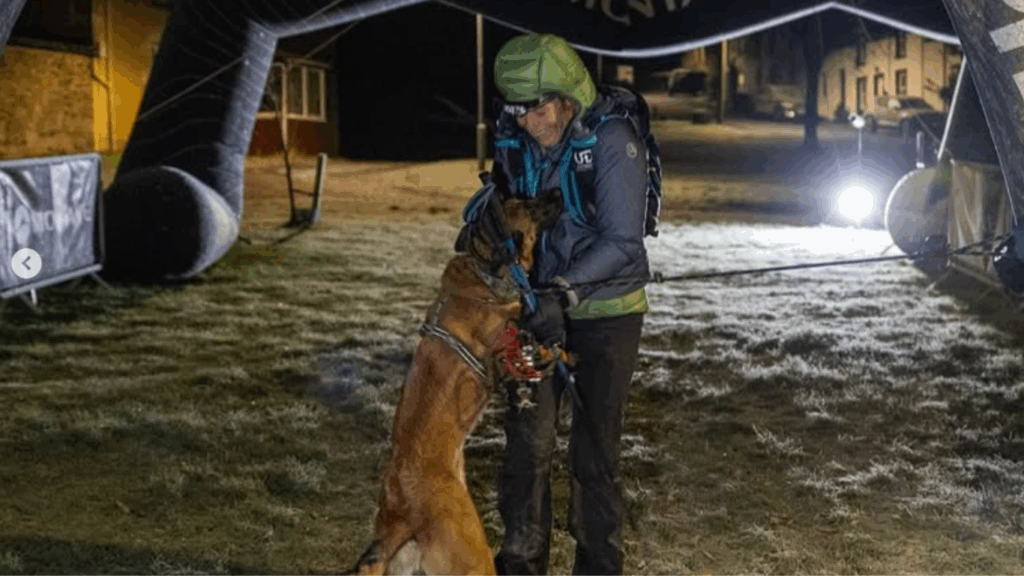
Standing on a Winter Spine podium places her in a very small and very respected group — and marks her as one of the toughest endurance athletes currently racing anywhere in the world.
And if this was her first Winter Spine?
We can only imagine what’s next.
Images – Rich Gill, Gilly Photography: Instagram @gilly_photography
Follow Sophie Grant’s running via Instagram @sophieamygrant