The Hidden Risk of Under-Fueling: LEA & RED-S in Trail Runners
Do you have enough energy while running? Learn how to fuel smarter and avoid underfueling problems that are linked to injuries, fatigue, gut issues and more. Nutritionist Tina Buch shares her insights.
Struggling to keep your energy in check while running? Registered Nutritionist Tina Buch delves into an underfueling phenomenon known as Low Energy Availability (LEA) and discusses its impact on runners. Learn how to fuel smarter, avoid the risks of developing LEA, and maintain your health and performance with practical advice tailored to the demands of the trail.
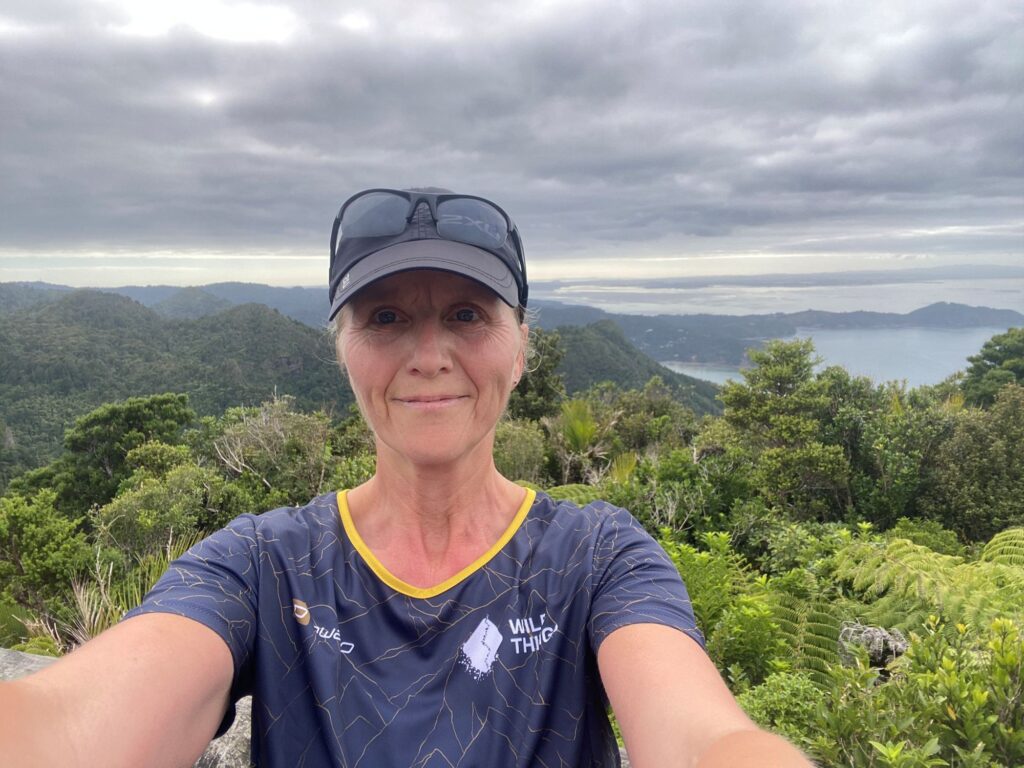
I am a Registered Nutritionist and also a trail runner. As a trail runner, I’m involved in a lot of running groups on social media and often hear people discussing food and nutrition. I’m always interested in these conversations, and I want to share some of my insights below.
We all love talking about food
Go to lunch with any of your running buddies and guaranteed the conversation will turn to food and nutrition at some point. It’s a topic we love to talk about because food is enjoyable, social and central to how we live and train.
Not only does food keep the hangry moods away and help us stay healthy, but it also directly impacts our running performance.

In terms of what nutrients we need, what fascinates me as a nutritionist, is that what works for one person may not work for another. Each of us is unique, and we have different nutritional needs and requirements.
So when we are exposed to food and nutrition ideas on social media they might not support or benefit our individual requirements. Don’t get me wrong, there are so many benefits to information being so available on the internet and social media. It’s allowed us to share far more information about nutrition than ever before, and to learn about new and interesting health topics.
But the downside of having so much information at our fingertips is knowing what to use — and what to ignore. For many of us, understanding what’s right for our own health and performance can feel overwhelming.

Low energy availability
One nutritional trend I’ve noticed often on social media is about low energy availability (LEA). This is actually something all trail runners should all be aware of.
LEA can occur when we don’t consume enough energy to fuel our exercise and normal body function needs. In other words, when our body doesn’t have enough energy available for exercise or normal functions (e.g. reproduction, muscle recovery etc), these functions can’t work optimally and could become slower or even suppressed.
It’s heartening to hear that endurance athletes in high performance sports in both New Zealand and Australia have started talking more openly about their experiences with LEA. It’s helps to drive awareness on the topic for all athletes.
It’s not just an elite athlete problem
Research on elite and recreational athletes has shown that both sexes are at risk of LEA particularly in endurance sports such as running. However, limited research has been done on recreational trail runners and this made me realise we needed to understand more about the topic and that’s how my master’s research came about.
How LEA develops
Being in a state of LEA (insufficient energy for our exercise and bodily function requirements) can happen if someone is worried about how their body looks while doing sport and consequently reduces their food intake, or they try to lose large amounts of weight to enhance sport performance.

It could also happen by mistake. People may not know or feel like increasing their food intake when they start doing more exercise. The result is they may accidently end up in LEA.
Long term consequences
If this state of LEA occurs for a long period of time (a few months or more) and if there continues to be a substantial energy deficit, a range of health consequences can occur along with reduced sport performance and an increased risk of performance injuries.
To describe the effects of LEA on our body, scientists have grouped all the common health and performance symptoms and given it the name RED-S (Relative Energy Deficiency in Sport).
A higher risk
As trail runners, we are at higher risk of LEA and RED-S due to the high energy demands of our sport. This is because we run over varied and technical terrain, in different weather conditions, sometimes in remote locations and over long distances and durations.

You may think this doesn’t apply to you because you might be ‘just’ a recreational trail runner, but research has shown that both elite and recreational runners can be affected by RED-S. In fact, as a recreational runner, you could be at a higher risk because you likely don’t have nutrition coaching support like many elite athletes do.
Knowledge about LEA is not always the answer
As a trail runner, having a better understanding of how much food you need to eat and when, could help prevent an energy deficit. There is research that tells us athletes with higher levels of (sports) nutrition knowledge have a more nutritious diet.
However, knowledge doesn’t always change behaviour.
Food intake is also impacted by other factors like the cost of food, cooking skills, taste preferences, level of appetite, gastrointestinal issues, the pressure to stay lean, social media trends, popular diets, and changes in training.
The Research
A research study was conducted looking at the risk of LEA in trail runners to identify if their understanding of food and nutrition influenced the risk of LEA developing. Data was collected between June and December 2022 with the help of local trail running organisations in Aotearoa/New Zealand. Participants did two surveys: one focused on trail running questions and risk of LEA, and the second on nutrition knowledge.
Over 150 people completed both surveys. A range of athletes of varying ages completed the survey with a vast amount of trail running experience (beginners through to experienced ultra marathoners).
The Results and common symptoms
The results indicated that 31% females and 23% of males could be at risk of LEA.
Common symptoms of LEA in our study were gut discomfort, frequent injuries, fatigue, low motivation for training, poor performance and recovery, menstrual cycle changes (for females), and lowered sex drive (for males). (See section below for more symptoms).

In the project, females who had a higher risk of LEA were more likely to have experienced absences from training due to injury in the past year and were more likely to suffer from abdominal bloating and stomach cramps than those with a lower risk of LEA. The group of females at a higher risk of LEA had also experienced more menstrual dysfunction, compared to those with a lower risk.
Males in the project, who had a higher risk of LEA, were more likely to have experienced lower sex drive and were also more likely to have suffered from abdominal bloating compared to those with a lower risk. The group of males with a higher risk had also experienced issues with fatigue, recovery and energy levels.
Other results relevant to all trail runners
The general nutrition knowledge levels of trail runners was good and most scored best on topics related to macro and micro nutrients and food groups. Whereas they struggled when we asked about food sources of calcium and the roles of fat.
The trail runners in the study had slightly worse sport specific nutrition knowledge. Most knew about training/competing in hot environments, but runners knew less about strategies for gaining lean mass and fueling during events.
It’s worth noting that this study focused on New Zealand trail runners and the results may not apply to runners in Australia.
What this means for us
Knowledge on how to fuel during long distance events is super important to help us perform at our best on race day (see How To Fuel During Events).
It is important to be aware of our nutritional needs. If you are concerned, then getting personal nutritional advice from a professional is a great idea.
What is the benefit of getting personalised nutrition advice? Working with a Registered Dietitian or Registered Nutritionist could help ensure that your daily diet provides sufficient energy for exercise and general living and that you have strategies in place to increase energy intake to match any increases in training volume or intensity.
In our sport aiming for longer distances or faster times is great, but we can also focus on nourishing and feeding our bodies to make sure we are healthy. Altogether, this can make training and race day very enjoyable.
HOW TO FUEL DURING EVENTS (To prevent LEA/RED-S)
- Fuel sources should be:
- High in carbohydrate (primary fuel source)
- Low in fibre, protein, fat (to slow digestion and absorption of carbohydrate and fluids)
- Aim for the following carbohydrate recommendations:
- Events of <60 mins: carbohydrate not required
- Events of 1-3 hours: 30-60g of carbohydrate per hour
- Events of >3 hours: up to 90g of carbohydrate per hour (only if can tolerate)
- Make a race nutrition plan – stick to the plan but be flexible to adapt if things don’t go as planned
- Trial the food/drink that will be provided at aid stations in your training – never try anything new on race day
- For longer duration events, flavour fatigue may set in – try out fuel sources of varying textures and tastes (sweet + savoury)
- Start fuelling early – take in small amounts regularly (every 15-20 mins)
- Practice your nutrition race plan during training runs (gut training)
- There is no one size fits all with race nutrition – you need to work out what works for you
SIGNS & SYMPTOMS OF LEA/RED-S
- Low mood/irritability
- Poor concentration
- Fatigue
- Gut discomfort
- Frequent injuries/illnesses
- Unintentional weight loss
- Poor performance and recovery
- Menstrual cycle changes
- Lowered sex drive
*If you regularly experience one or more of these symptoms, it doesn’t necessarily mean that you are in a state of LEA, however it may be worth investigating.
(Note – LEA and REDs affects everyone differently and symptoms may vary)
INSIDER KNOWLEDGE Tina Buch is a NZ Registered Nutritionist and a keen trail runner who has recently completed her master’s thesis in nutrition at Massey University looking at the risk of low energy availability and nutrition knowledge in recreational trail runners.