The Mount Warning Summit Track Closure: Who Should Decide Which Trails We Can Run?
The 2020 closure of the Wollumbin / Mount Warning summit track has sparked debate about who gets to decide where we run.
Few trail closures in Australia have sparked as much discussion as the shutdown of the Wollumbin / Mount Warning summit track in northern New South Wales.
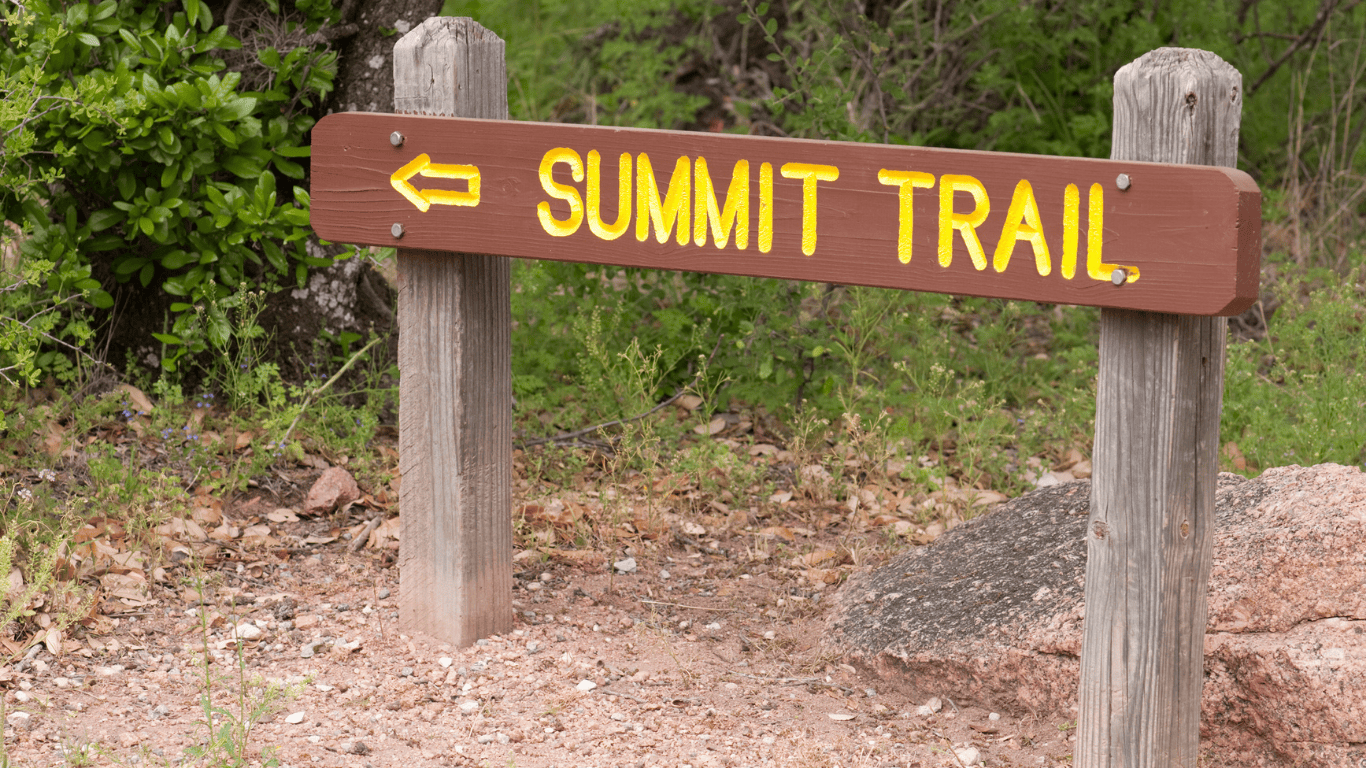
For decades, the steep climb to the summit of Wollumbin was one of Australia’s most iconic short adventures. Located in the Tweed Valley near the Queensland border, the track attracted more than 100,000 visitors each year, including hikers chasing sunrise views and runners looking for a punchy vertical challenge.
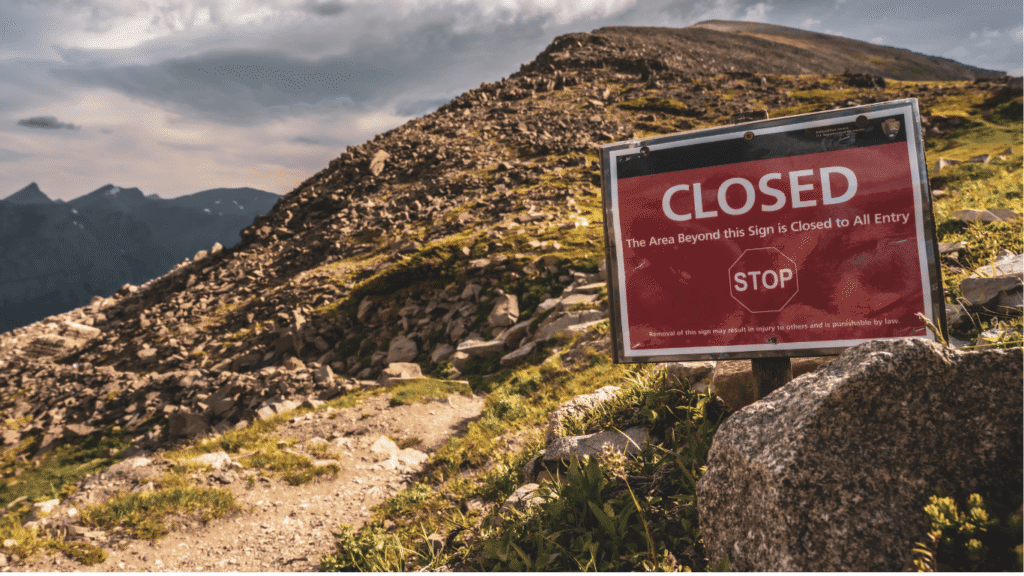
But in 2020 the summit track closed—and it hasn’t reopened since.
The reasons behind the closure have triggered a wider debate about the intersection between trail access, cultural heritage and how public land should be managed.
For trail runners and hikers, the question that keeps surfacing is simple: who gets access to our trails?
Why the Track Was Closed
The summit track at Wollumbin closed suddenly in March 2020 as part of broader COVID-19 park closures across New South Wales and to address some safety issues near the summit.
However, the trail did not reopen when restrictions lifted.
Instead, the NSW Government began consultation with Bundjalung Traditional Owners, who consider Wollumbin a sacred site and have long asked visitors not to climb the mountain.
The extended closure was intended to allow discussions about the future management of the mountain but the track has remained closed for over 6 years while these discussions have continued.
Why the Closure is Controversial
What was first seen as a temporary closure quickly became more permanent.
For many people who live in or visit the Tweed region, Wollumbin had long been one of the area’s defining outdoor experiences. The summit climb was short but steep, with chains assisting the final scramble to the top—and the view from the summit made it one of the most photographed landscapes in the region. In fact the summit is one of the first spots along mainland Australia to see the sunrise each day.
So understandably, summit users are frustrated that the closure has continued year after year.
Some of the Different Perspectives
There are several groups at the centre of this debate:
Traditional Owners
For many Bundjalung people, Wollumbin holds deep cultural and spiritual significance. The mountain is recognised as a sacred place connected to cultural law, ceremony and stories that stretch back thousands of years. Some Aboriginal custodians have asked visitors not to climb the summit out of respect for these cultural values. But at the same time, reporting suggests there are differing views within the wider Aboriginal community about the closure, which reflects the complex and sensitive nature of the debate around access.
Local tourism businesses
Many local operators say the track was a key drawcard for visitors to the Tweed Valley. Before the closure, thousands of visitors climbed Wollumbin each year, often combining the hike with overnight stays, café visits and other experiences in the region. Some tourism operators have since raised concerns that the ongoing closure has reduced visitor numbers and removed one of the area’s most recognisable attractions.
Trail users
Hikers, trail runners and climbers immediately lost access to one of the region’s most popular climbs. In online trail and hiking communities, the reaction was swift. Many users expressed frustration with some questioning why a trail within a public national park could remain closed indefinitely. Others said the decision felt unfair to the outdoor community that had long valued the mountain.
These competing perspectives have made the Wollumbin closure one of the most complex access debates in Australia’s outdoor recreation community.
Government and park managers
NSW National Parks and Wildlife Service manages Wollumbin National Park and ultimately controls access to the summit track. The agency says the extended closure allows time for consultation with Bundjalung Traditional Owners and planning for the mountain’s long-term management. Critics, however, argue that keeping a well-known national park trail closed for years raises questions about how access decisions are made on public land.
Other Blanket Bans
The Wollumbin case is not the only example of sudden access restrictions to popular public spaces.
In Victoria’s Grampians (Gariwerd) National Park, large areas were closed to rock climbing after cultural heritage assessments identified significant Aboriginal sites. Today climbing is restricted to designated areas within the park. Trail runners and hikers are more fortunate, with many of the park’s walking tracks remaining open, including the 164 km Grampians Peaks Trail.
At Mt Alexandra near Mittagong the Wingecarribee Shire Council closed the climbing areas by installing gates and signage, with the decision reportedly being made without warning or consultation with climbing groups.
These examples raise a question about access to public land.
As recognition of cultural heritage grows, how should outdoor recreation and cultural protection be balanced?
When Will the Track Reopen?
In late 2025 the NSW Government confirmed the summit track would remain closed until June 30, 2027 while consultation and planning continue.
Some local leaders have called for the trail to reopen sooner, arguing that public access to national parks should be maintained wherever possible. Others believe the closure should remain in place permanently out of respect for the cultural significance of the mountain.
For many in the outdoor community, the long timeline has raised another question: how long should public access to an iconic trail remain closed while discussions continue?
The Wollumbin case also reflects a broader issue emerging across Australia. As cultural heritage protections expand, land managers are increasingly being asked to balance respect for sacred landscapes with recreational access to public land.
For trail runners, hikers and climbers, the debate highlights a growing tension: If Wollumbin remains closed long term, what precedent might that set for other well-known trails across Australia?
What do you think?
Head over to our Facebook or Instagram and let us know your thoughts.