He Slept 15 Hours in 7 Days—Then Won One of the Toughest Races on Earth
Temps of –40°C. No sleep. Hallucinations. Welcome to one of the toughest races on Earth.
Words by Isobel Ross Issue 46 | Adapted for web by TRM
Images by Paul Watkins, Evan Davies
There are tough races. Then there’s the 6633 Arctic Ultra. This is an event where adventure and survival blur into one. It’s the kind of event that quickly stops being about running at all.
What is the 6633 Arctic Ultra?
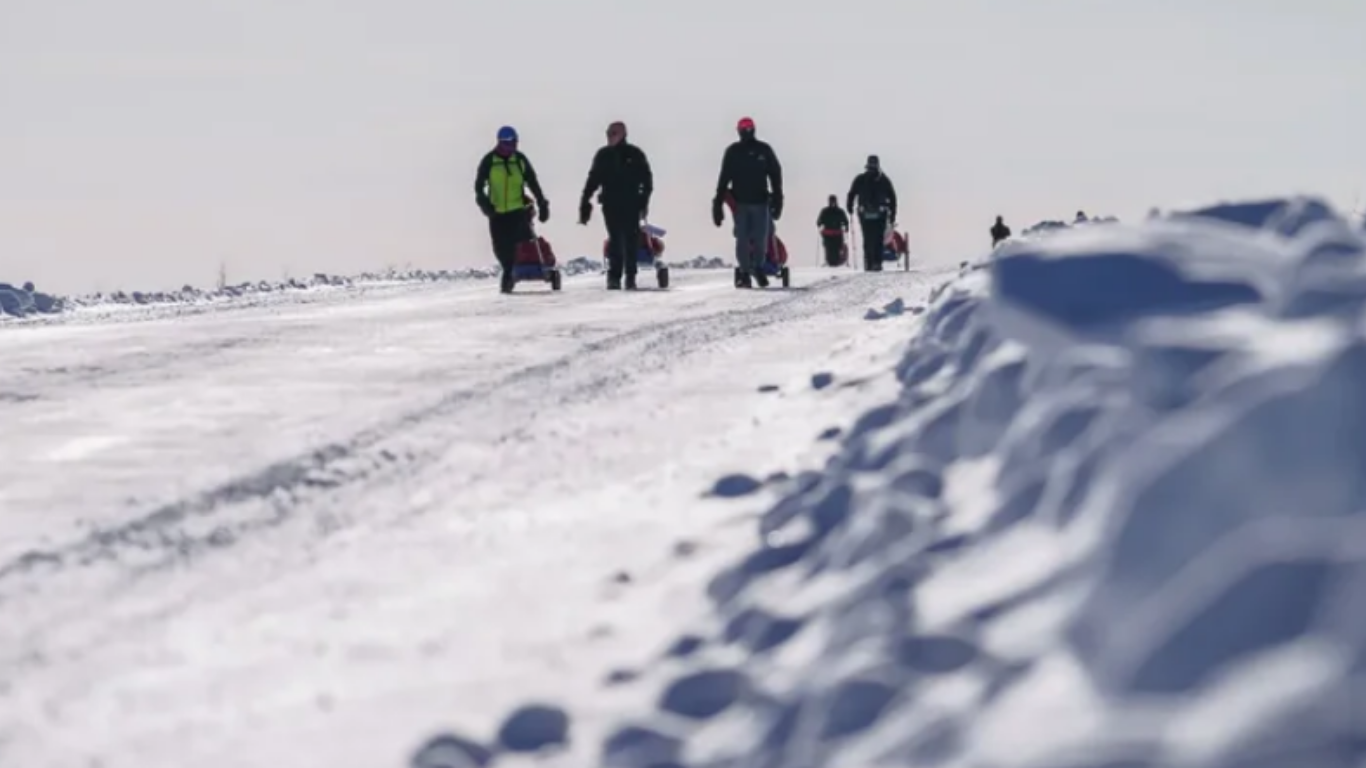
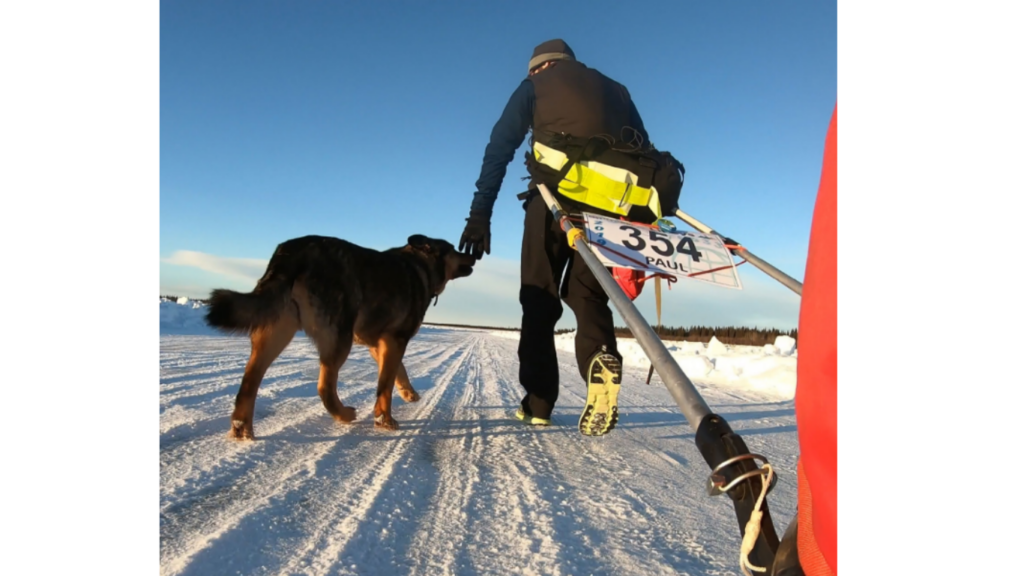
The race takes place in northern Canada, starting in the Yukon and heading deep into the Arctic Circle. On paper, it doesn’t look that complicated. In reality, it’s anything but. Temperatures plunge below –40°C, runners drag sleds weighing up to 26kg, and everything is completely self-sufficient. There are no aid stations, no real breaks, and no escaping the conditions. Once you start, you’re out there for days managing food, sleep, gear, and your own mind.
Not sure what the 6633 Arctic Ultra actually involves? Here’s a closer look at how the race works.
His first attempt in 2017 fell apart
In 2017, Victorian runner Paul Watkins found out exactly what that meant.
At 250km in, everything unravelled. He was frozen, hallucinating, starving and physically broken.
He withdrew from the race.
For most people, that would have been the end of the story.
For Paul, it was just the beginning.
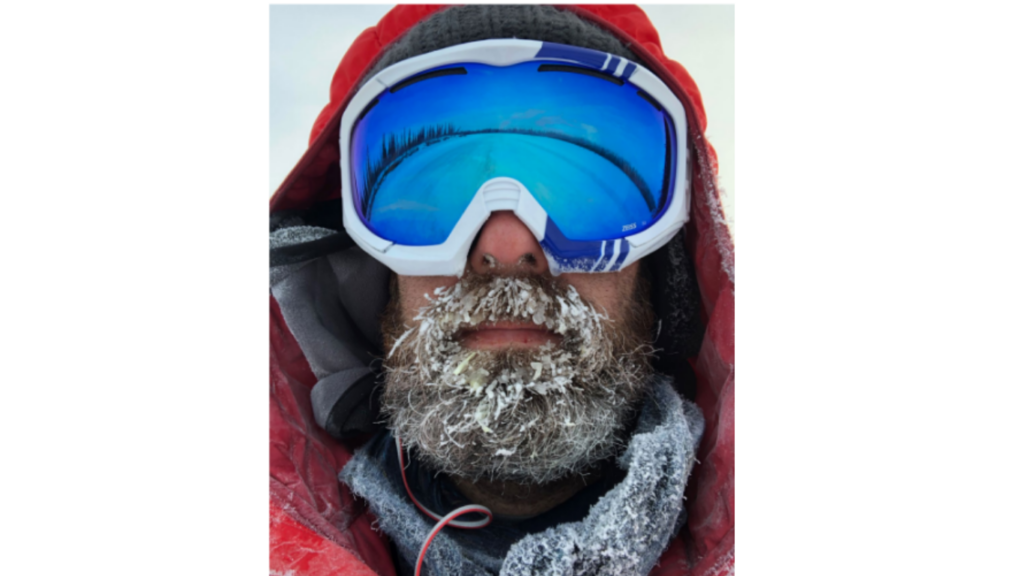
Reflecting on his prior attempt, Paul said: “I didn’t race in 2017, I attended a training camp”
But on paper, his preparation had been solid. He’d trained consistently for a year, dialled in his nutrition, and carefully planned his pacing, logistics and equipment.
The Arctic however, doesn’t care about what works on paper.
“The race delivered something entirely different,” he says.
“And when your training doesn’t allow you to adapt to those conditions… the wheels fall off.”
And they did—quickly and completely.
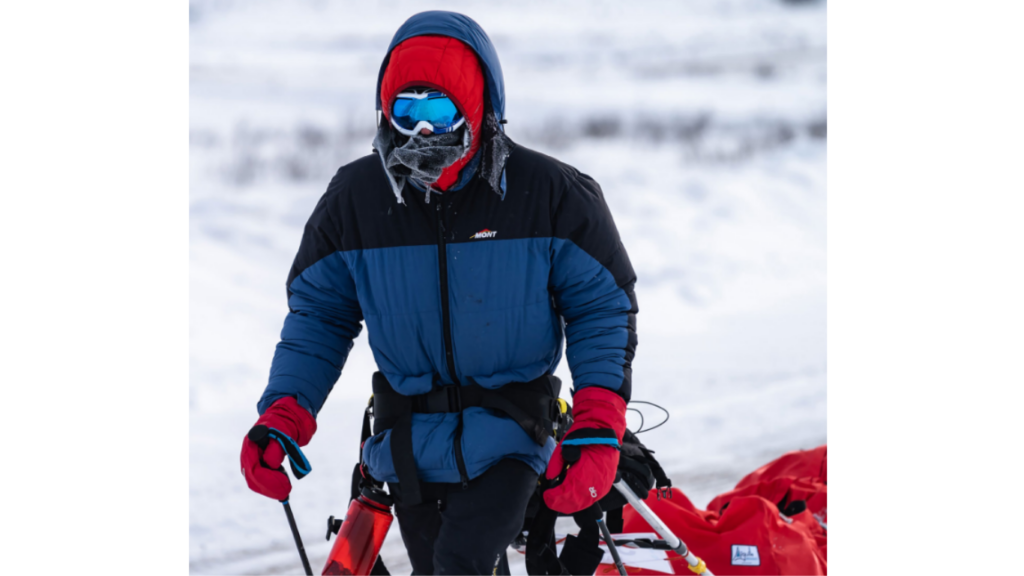
But Paul learned from that earlier experience. Through the disappointment, there was insight. He realised that success in a race like this demanded more than physical fitness. It required a deep and adaptable toolkit—one that covered mental, emotional and physical resilience.
So he went away, recovered, and started rebuilding.
What the race actually demands
At a glance, the numbers don’t seem all that outrageous.
The required pace sits at just over 3km per hour which is something most runners could comfortably manage.
But that’s where the simplicity ends.
That pace needs to be maintained across 24 hours a day, for more than a week, in extreme cold, while dragging a sled across snow and ice. There’s no clean separation between racing and recovery. You’re constantly balancing movement with eating, sleeping and problem-solving—all while the conditions chip away at you mentally and physically.
“You have to manage everything yourself and just keep moving,” Paul explains.
“And at some point, your body gives up. That’s when it becomes purely mental.”
Training for the Arctic
Preparing for an Arctic race while living in regional Victoria comes with obvious challenges.
There’s no snow or ice and it’s definitely not –40°C conditions.
So Paul focused on what he could control.
He built the strength needed to haul a loaded sled. He refined his pacing strategy. He trained at all hours of the day and night to simulate fatigue, and worked on becoming comfortable operating under sustained physical and mental stress.
Just as importantly, he prepared for isolation.
“It was normal to spend up to three-quarters of the race entirely alone,” he says.
Without crowds or noise there isn’t any external motivation. Just long stretches of silence and your own thoughts.
“That’s a long time to be in your own head, so you have to be pretty sure you’ve got that sorted.”
2019: A different approach
When Paul returned in 2019, the race had grown to 614km (380 miles).
But this time, he arrived with a different mindset.
He was a whole lot fitter and more adaptable but also better prepared for the realities of the event.
“The athletes who excelled weren’t necessarily the toughest or the fastest,” he says. “They were the ones who could make good decisions consistently and then actually follow through on them, no matter how exhausted they were.”
The Physical and Mental Toll
Even with that preparation, the race extracts a heavy price.
Paul was consuming over 6000 calories per day, yet still lost around 10 kilograms by the finish.
He slept just 15 hours across seven days.
“The last few nights were the toughest,” he recalls.
“The sleep deprivation, the hallucinations, collapsing with exhaustion… it becomes a really difficult cycle to manage.”
It’s not a single breaking point. It’s a gradual accumulation of physical fatigue, mental strain, and the constant demand to keep moving forward.
And yet, there were moments of stillness
For all its brutality, the race also offered something unexpected for him.
“I loved the solitude,” Paul says.
“When the weather cleared, it was complete silence. No noise whatsoever. It was incredibly peaceful and quite surreal.”
Moments that, in any other context, would feel almost impossible to grasp.
Standing alone on a frozen river, dragging a sled beneath the northern lights, deep inside the Arctic Circle. “It doesn’t get much better than that.”
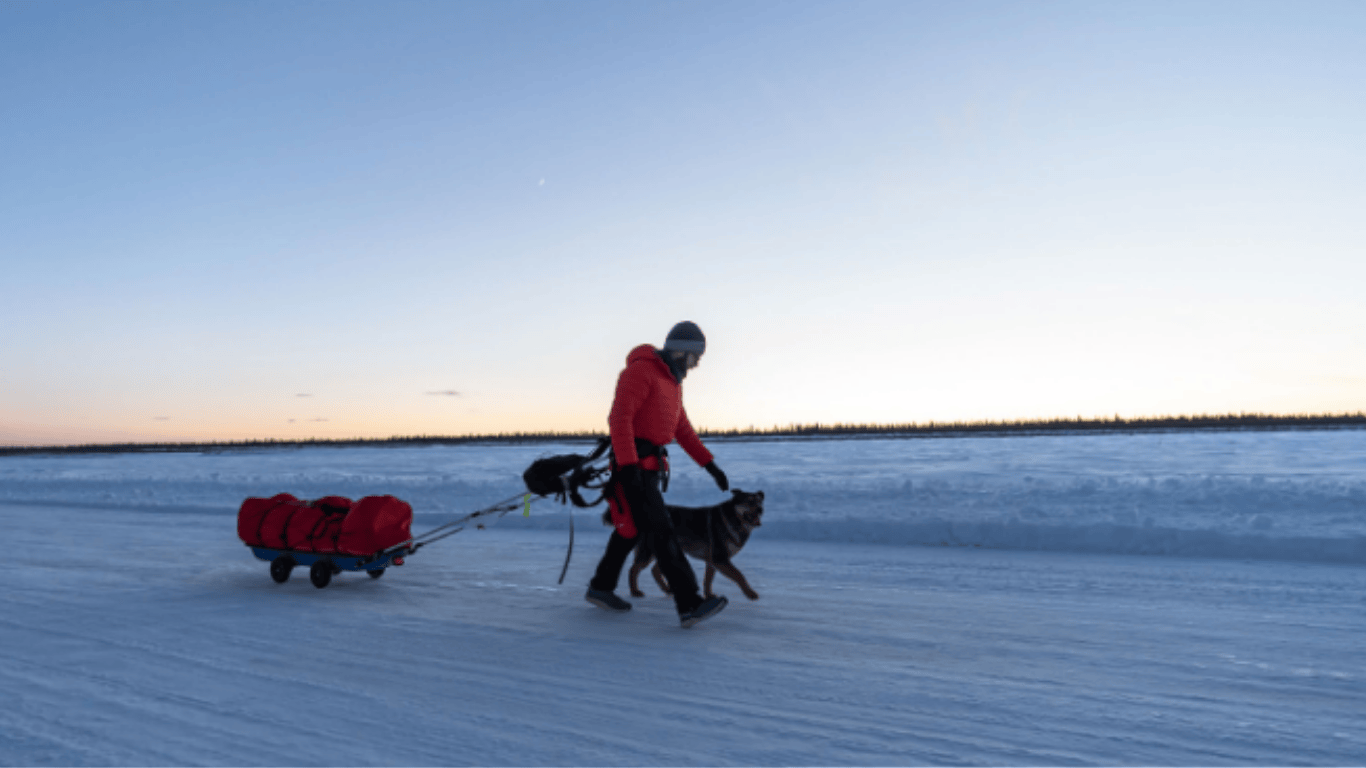
Then there was the dog. Paul was joined by an unnamed dog who started following him near Fort McPherson and stayed with him for about 30km.
The finish line
After 195 hours and 41 minutes, Paul crossed the finish line as the winner of the 2019 Arctic Ultra.
He’d imagined there might be a rush of emotion but instead, there was something much simpler.
Utter and complete relief.
“You’re just happy that it’s over,” he says. “That you can finally stop.”
What actually makes the difference
Paul is quick to point out that his success didn’t come from being the strongest or fastest runner in the field.
It came from something less visible.
“The skills that have allowed me to excel are mental discipline and the ability to keep working over long periods,” he says.
Once he’s in a focused, consistent and stubborn mindset, he can stay there for as long as it takes.
And in races like this, that’s often the deciding factor.
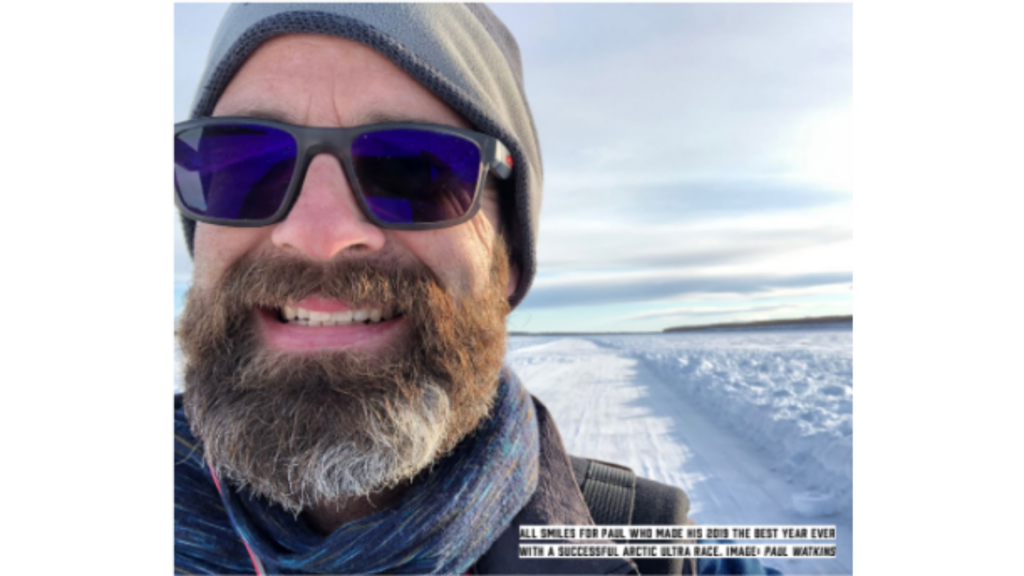
Paul’s advice
For runners thinking about pushing into longer or more challenging events, his advice is simple.
“Don’t underestimate the impact of consistent work,” he says. “Doing something difficult every day, and working through it honestly, changes how you see yourself and what you believe you’re capable of.”
It’s that shift that shows up when things get hard.
And eventually, they always do.
The Facts—6633 Arctic Ultra
- First held in 2007, the race is considered one of the toughest ultra events on the planet
- Distances include approximately 120 miles (193km) and 380 miles (614km)
- The race is non-stop and self-sufficient, with competitors hauling all gear and supplies
- Less than a dozen finishes most years
- Temperatures can drop below –40°C
- The current 380-mile record is 149h 47m (Natalie Taylor & Tom Hunt, 2023)
- Only a small number of athletes globally complete the full distance each year
- Next race is scheduled for 24 February 2028
Since this race, Australians have continued to make their mark on the 6633 Arctic Ultra, with Adelaide’s Aaron Crook taking out the event in 2025.
Website: www.6633ultra.com/